10 hr
Masada & Dead Sea Day Trip from Tel Aviv
- Expert local guide
- Small group
- Skip-the-line access
- Free cancellation
Masada Tour — Fortress, Sunrise & Guided Access
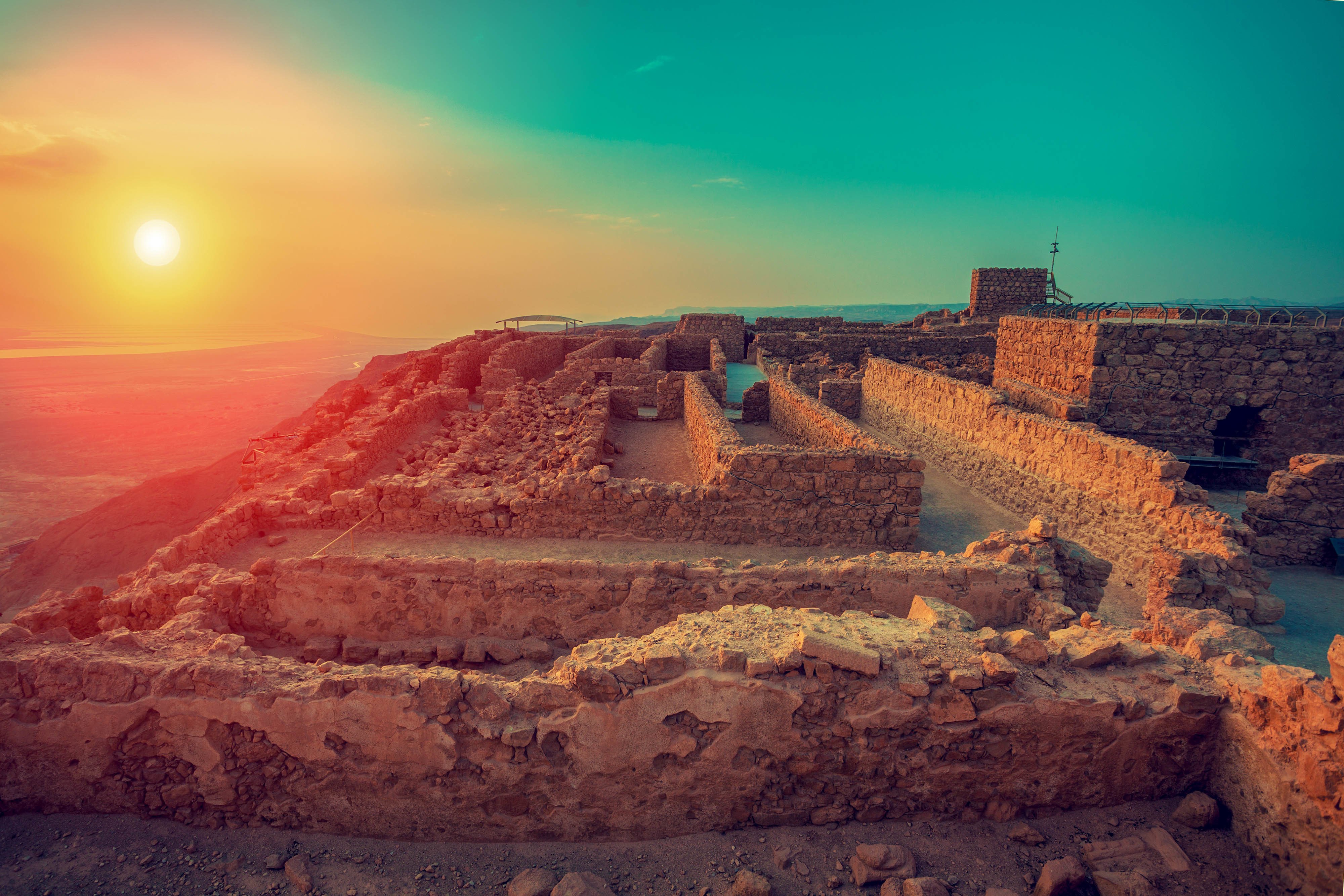
A desert plateau where history carved defiance, where dawn reveals ancient walls.
Compare fares, pick the fit — all bookings are mobile-voucher and eligible for free cancellation where shown.
10 hr
10 hr
10 hr
| Experience | From | Duration | Rating | Transfers | Skip-the-line | Guide | Price | |
|---|---|---|---|---|---|---|---|---|
|
Guided Experience
Most popular
Masada & Dead Sea Day Trip from Tel Aviv
|
Tel Aviv | 10 hr | ★ 4.5 | ✓ | ✓ | ✓ | $125 | Book → |
|
Guided Experience
Masada & Dead Sea Full-Day Adventure from Jerusalem
|
Jerusalem | 10 hr | ★ 4.4 | ✓ | ✓ | ✓ | $115 | Book → |
|
Guided Experience
Masada Sunrise, Ein Gedi Oasis & Dead Sea Adventure from Jerusalem
|
Jerusalem | 10 hr | ★ 4.6 | ✓ | ✓ | ✓ | $106 | Book → |
Worth it for history enthusiasts and desert lovers
A masada tour delivers exceptional value when you weigh the 37 ILS conservation fee against what you receive: access to a UNESCO World Heritage fortress perched 400 meters above the Dead Sea, panoramic views stretching across the Judean Desert to Jordan, and the silent weight of a 2,000-year-old siege site. The cable car (additional cost) cuts the 700-step climb, but many visitors find the Snake Path hike integral to understanding the defenders' isolation. Tours to Masada justify their cost for anyone drawn to archaeological drama and stark desert beauty—you're paying to stand where Herodian luxury met desperate resistance. The site rewards early risers who arrive during the 08:00–09:00 window with cooler temperatures and fewer crowds. Independent travelers and guided groups alike find the entrance fee reasonable given the site's historical weight and the infrastructure maintaining it. If ancient fortifications and sweeping desert vistas leave you cold, skip it; if they quicken your pulse, the investment pays off in full.
Bottom line: The 37 ILS entrance opens a desert fortress where history, archaeology, and panoramic views converge—worth every shekel for anyone seeking substance over spectacle.
Hand-picked experiences loved by thousands of travelers
12 hours
Free Cancellation
Journey through the Judean Desert to ancient fortresses, desert springs, and the lowest place on Earth
7 hours
Free Cancellation
Journey to an ancient mountaintop stronghold, then float in the world's saltiest waters
10-11 hours
Free Cancellation
Journey to the Dead Sea's shores and ancient Masada fortress with cable car access and floating time
10 hours
Free Cancellation
Journey to ancient fortresses, float in mineral-rich waters, and explore biblical landscapes on this full-day private expedition.
Arrival at visitor center for masada tour orientation
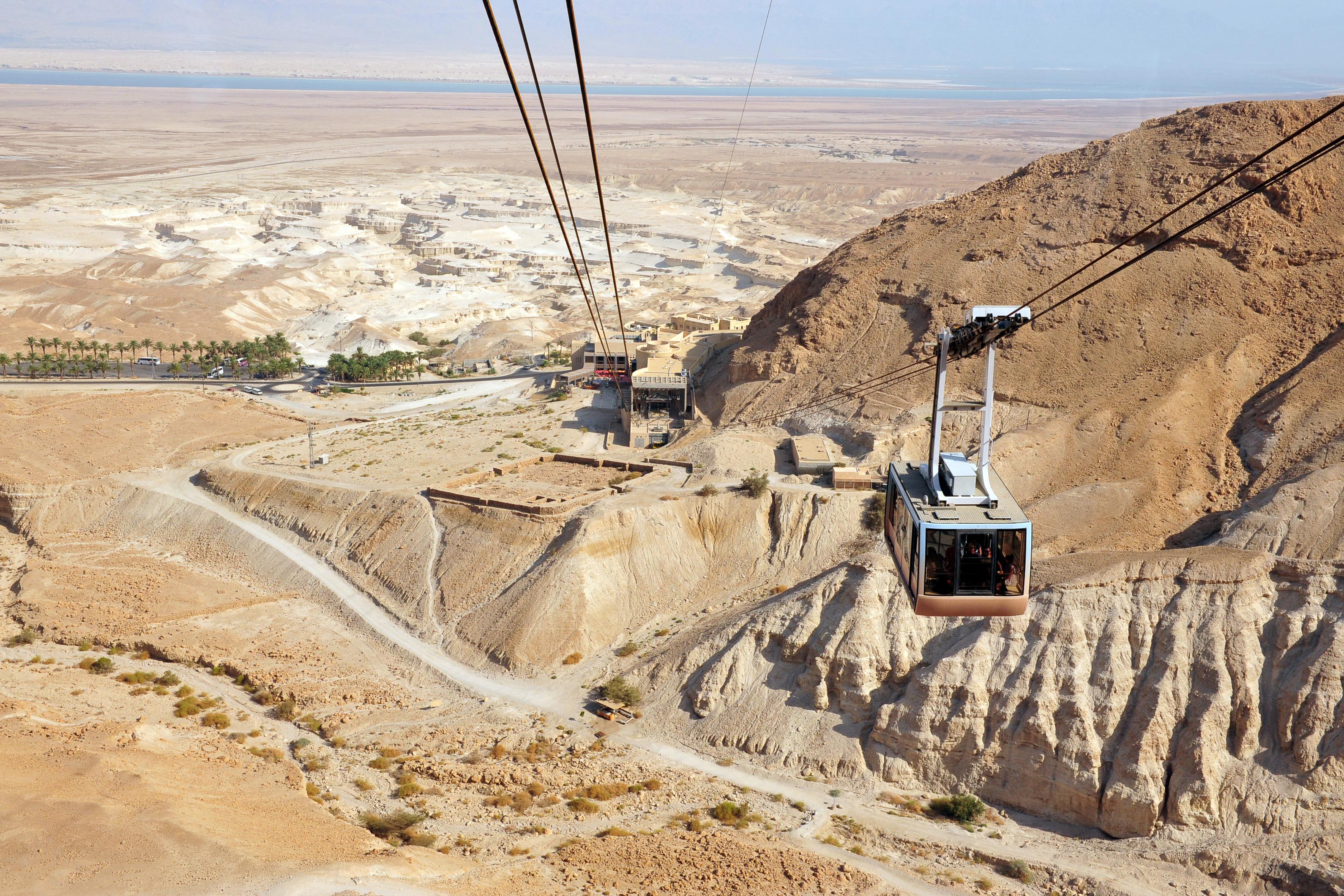
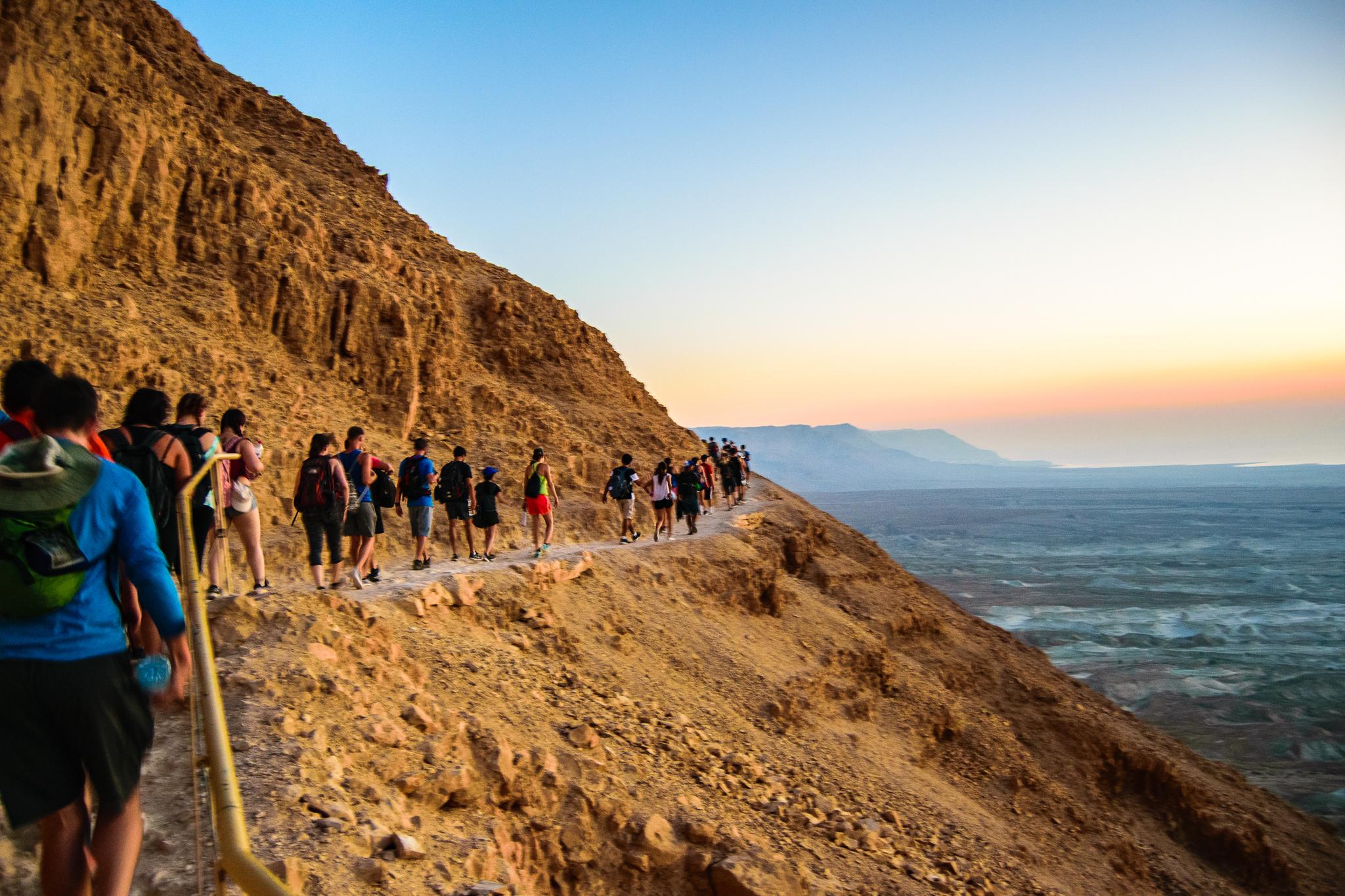
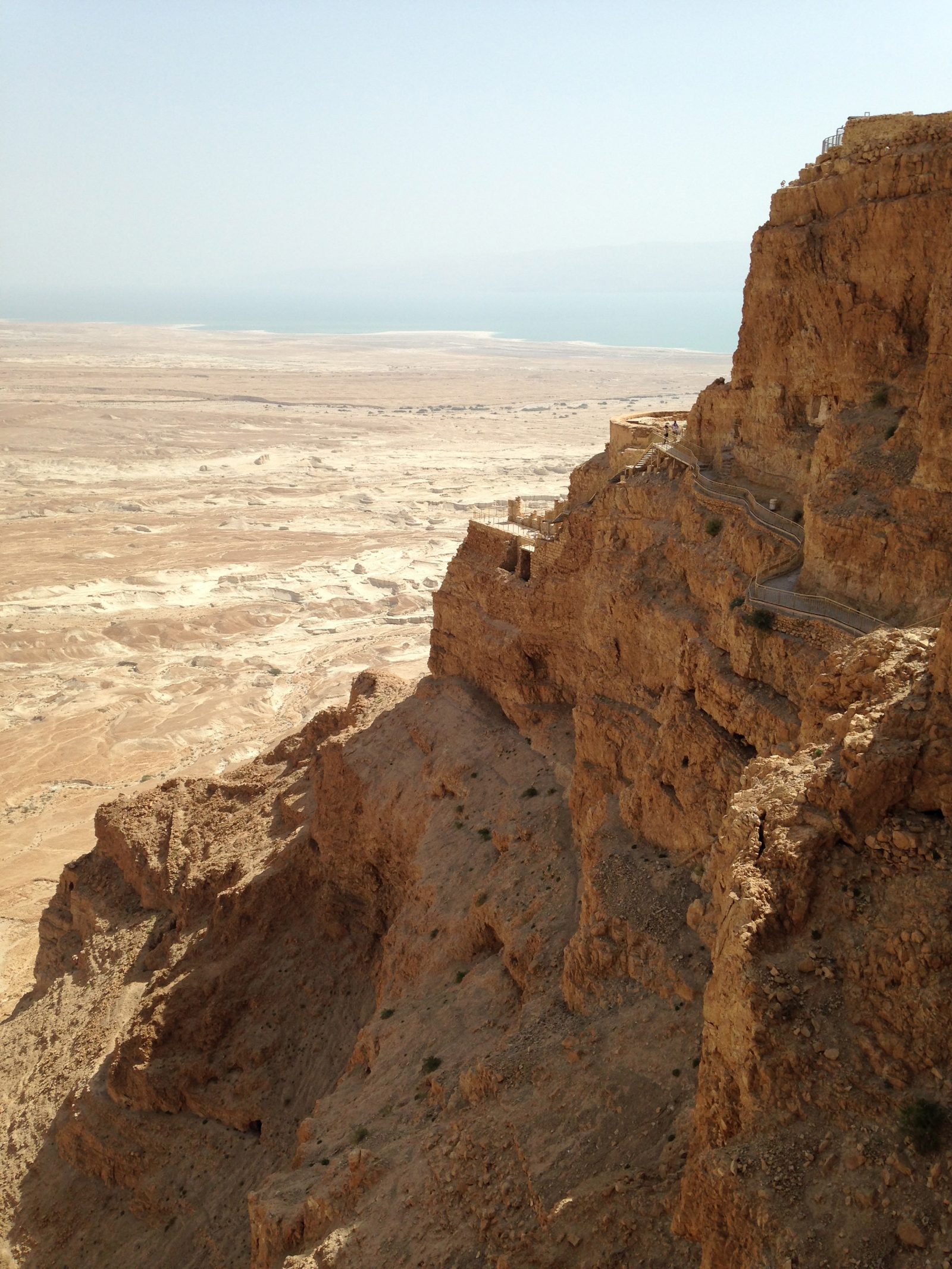
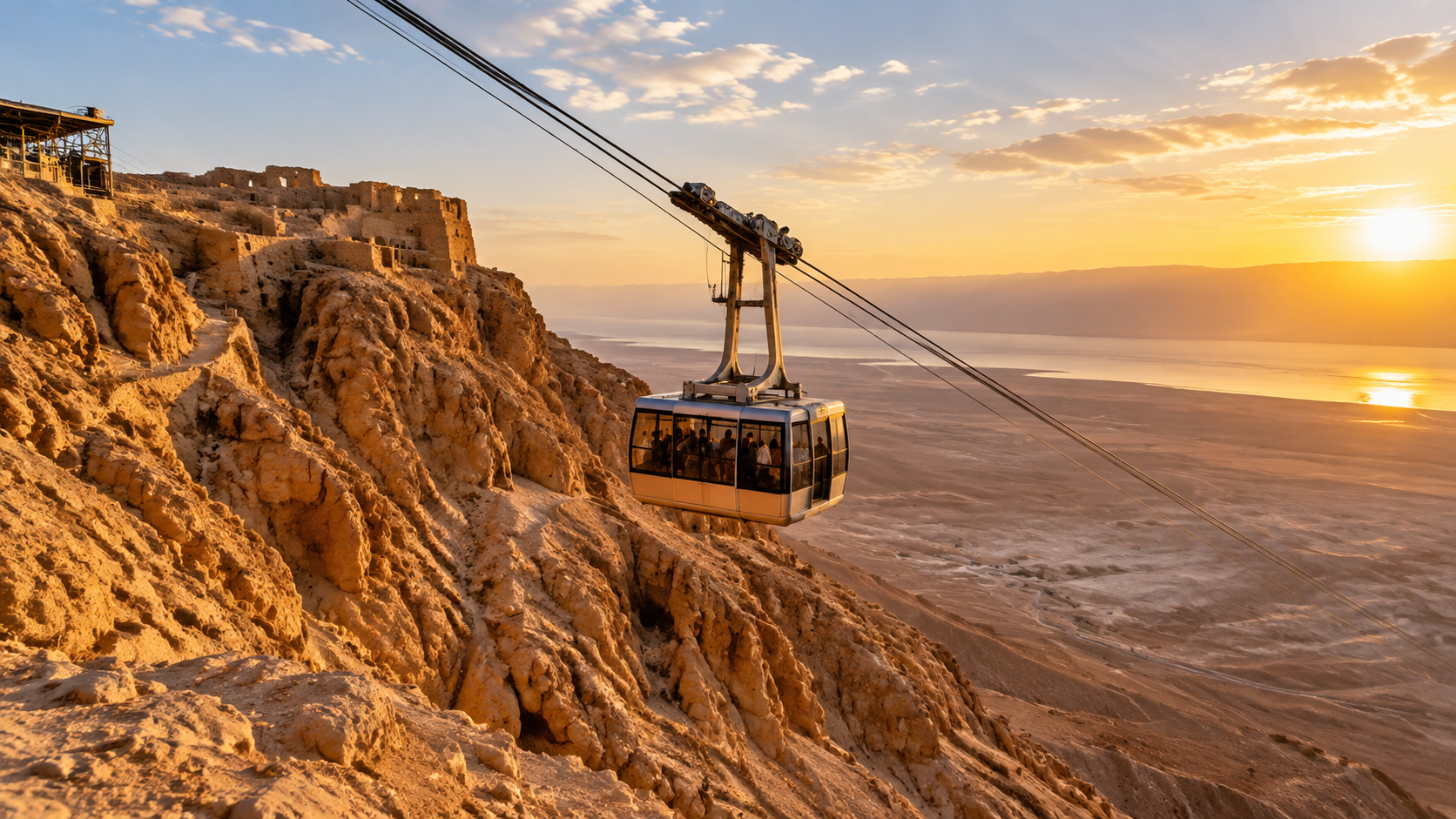
Cable car ride or 700 steps climb
Walking tour of the palaces and bathhouse
Cable car return to the base
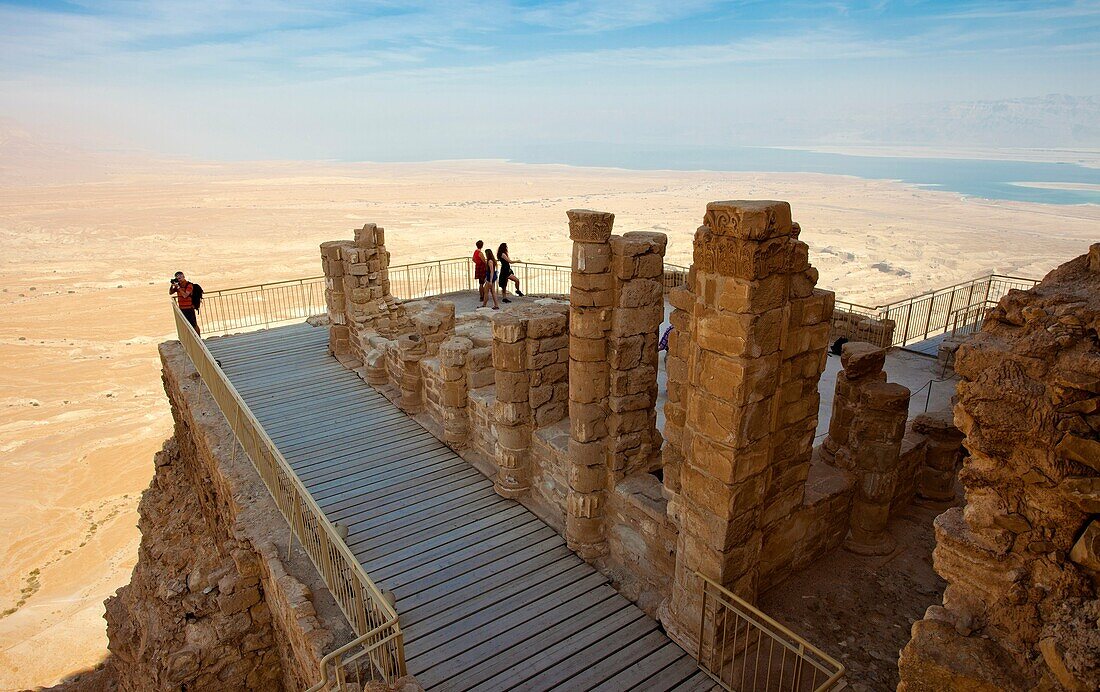
Herod's three-tiered private residence built into the cliff edge.
The largest structure on the mountain featuring a throne room.
An ancient site converted by Jewish rebels during the Great Revolt.
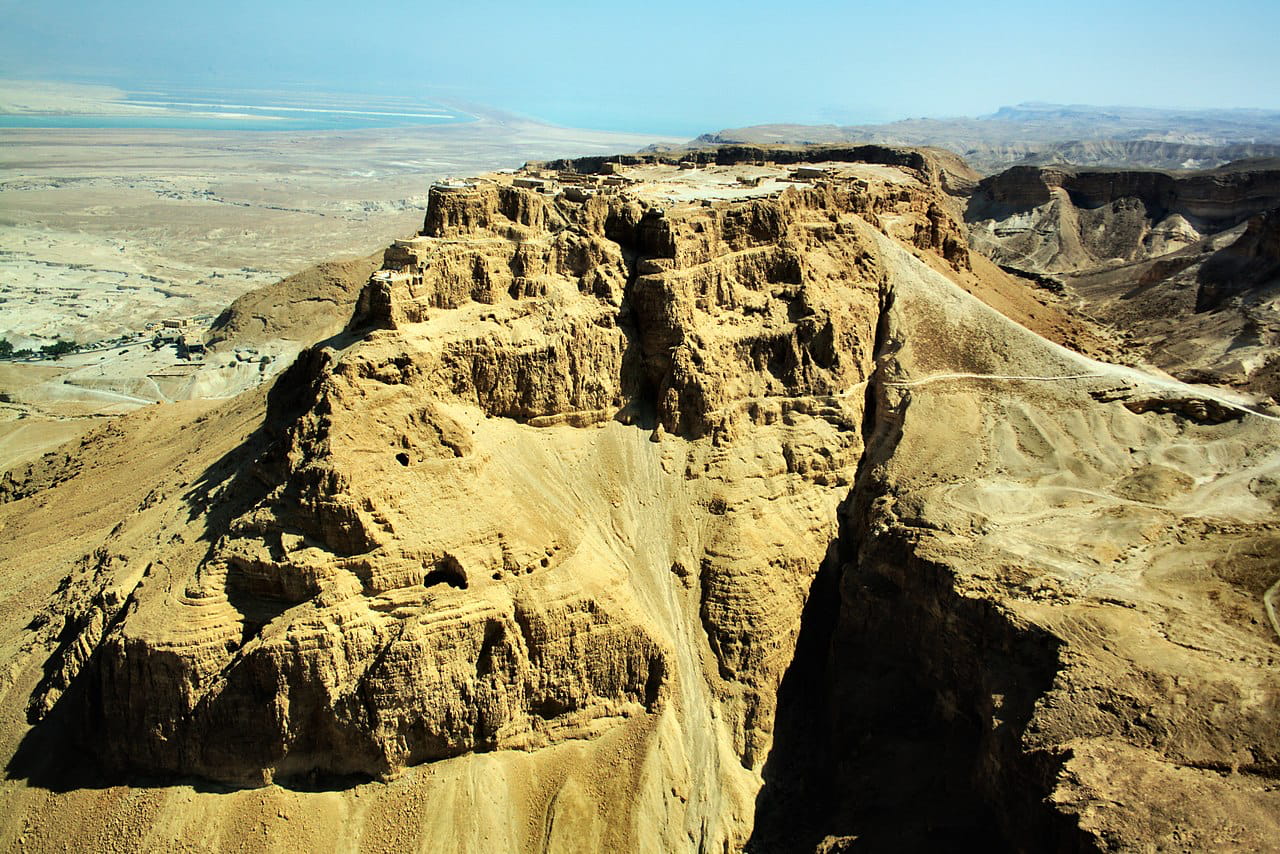
The engineering marvel constructed by Romans to breach the fortress.
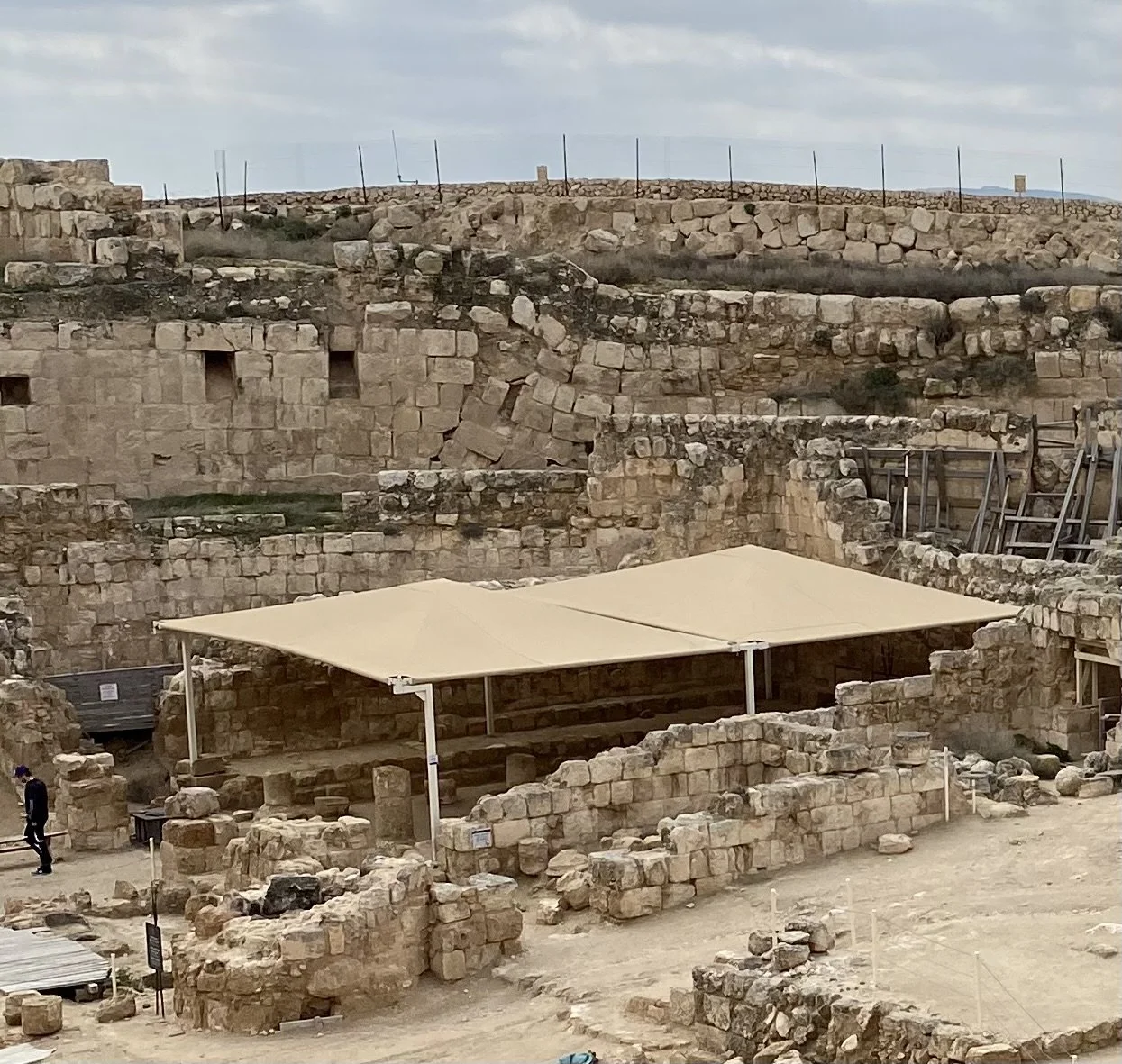
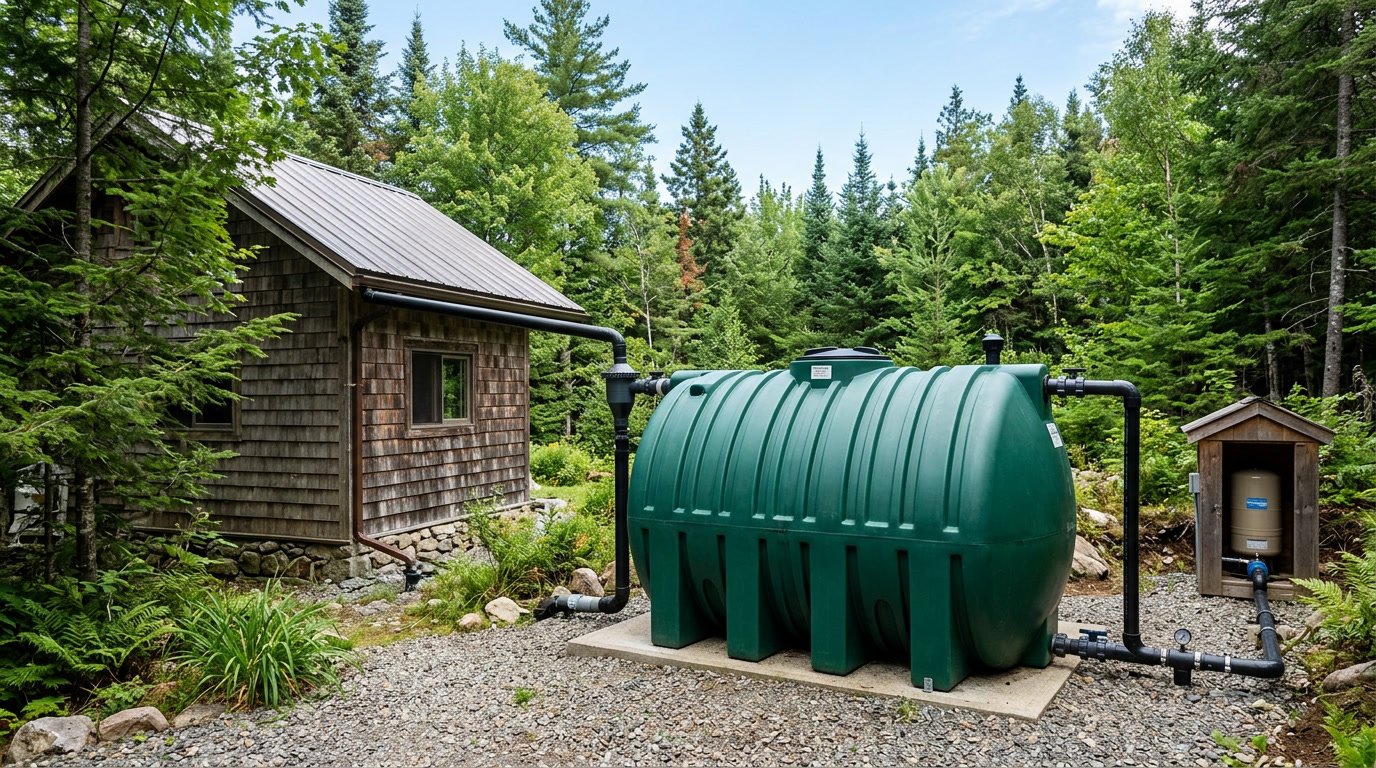
Sophisticated ancient system designed to capture seasonal desert flash floods.
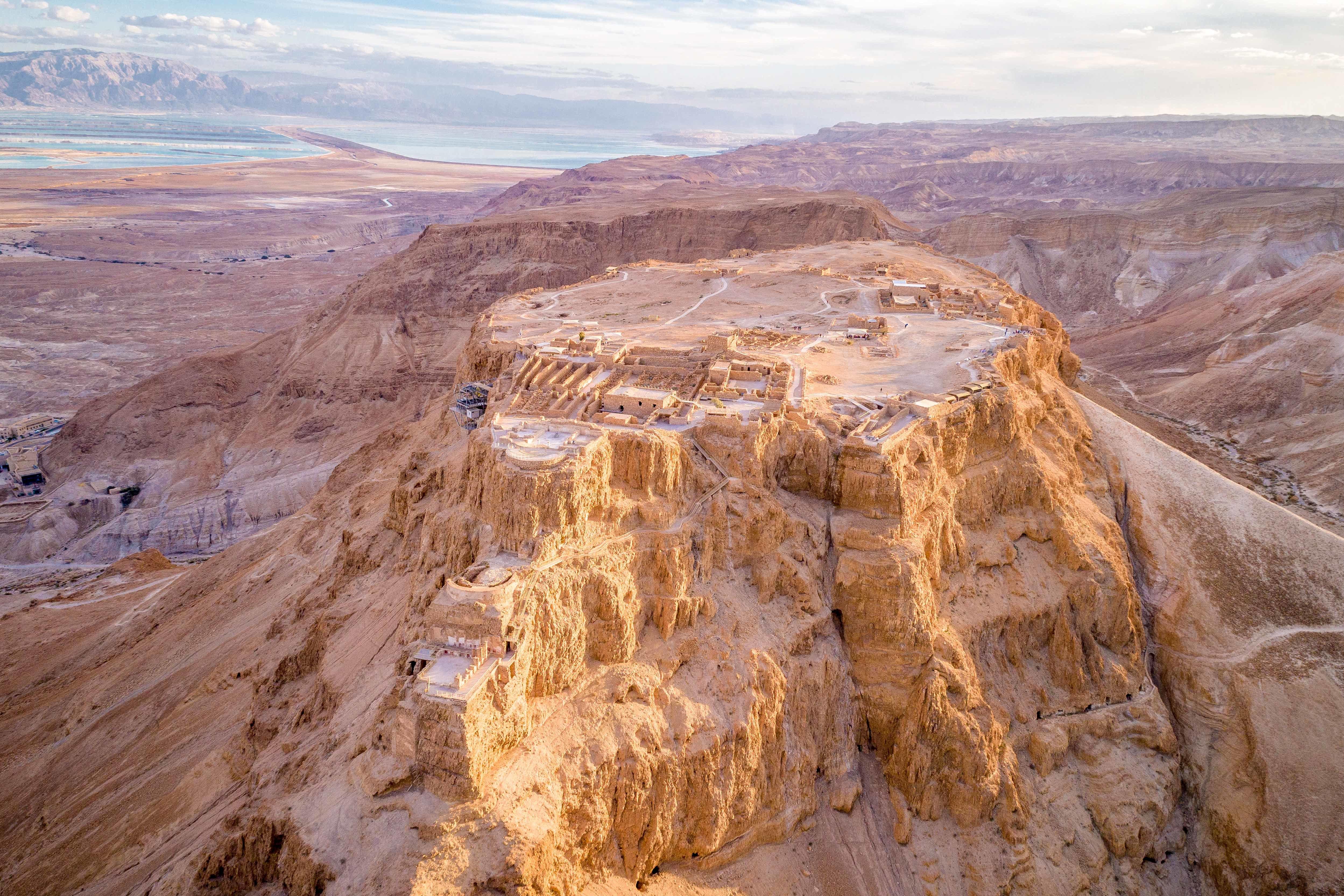
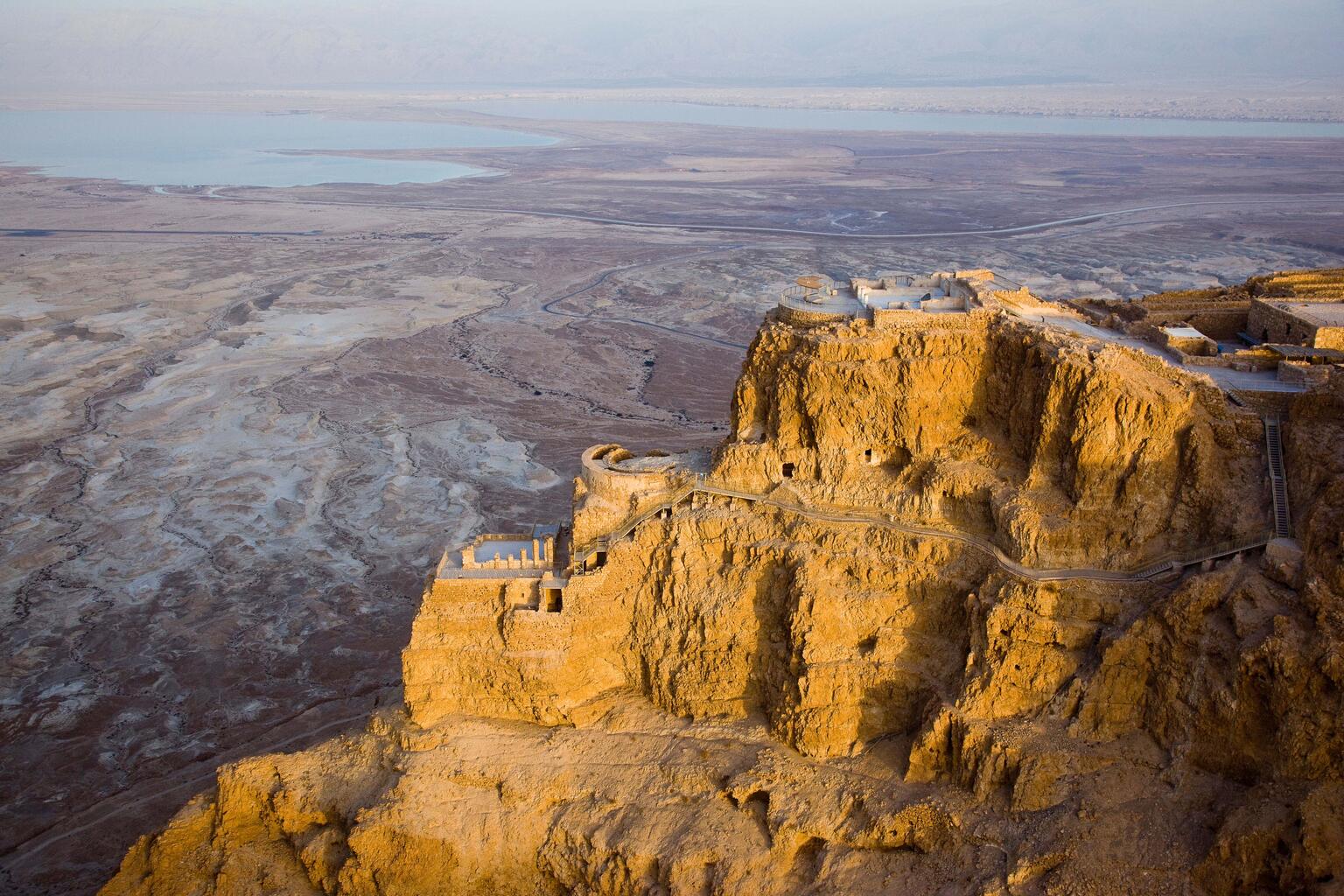
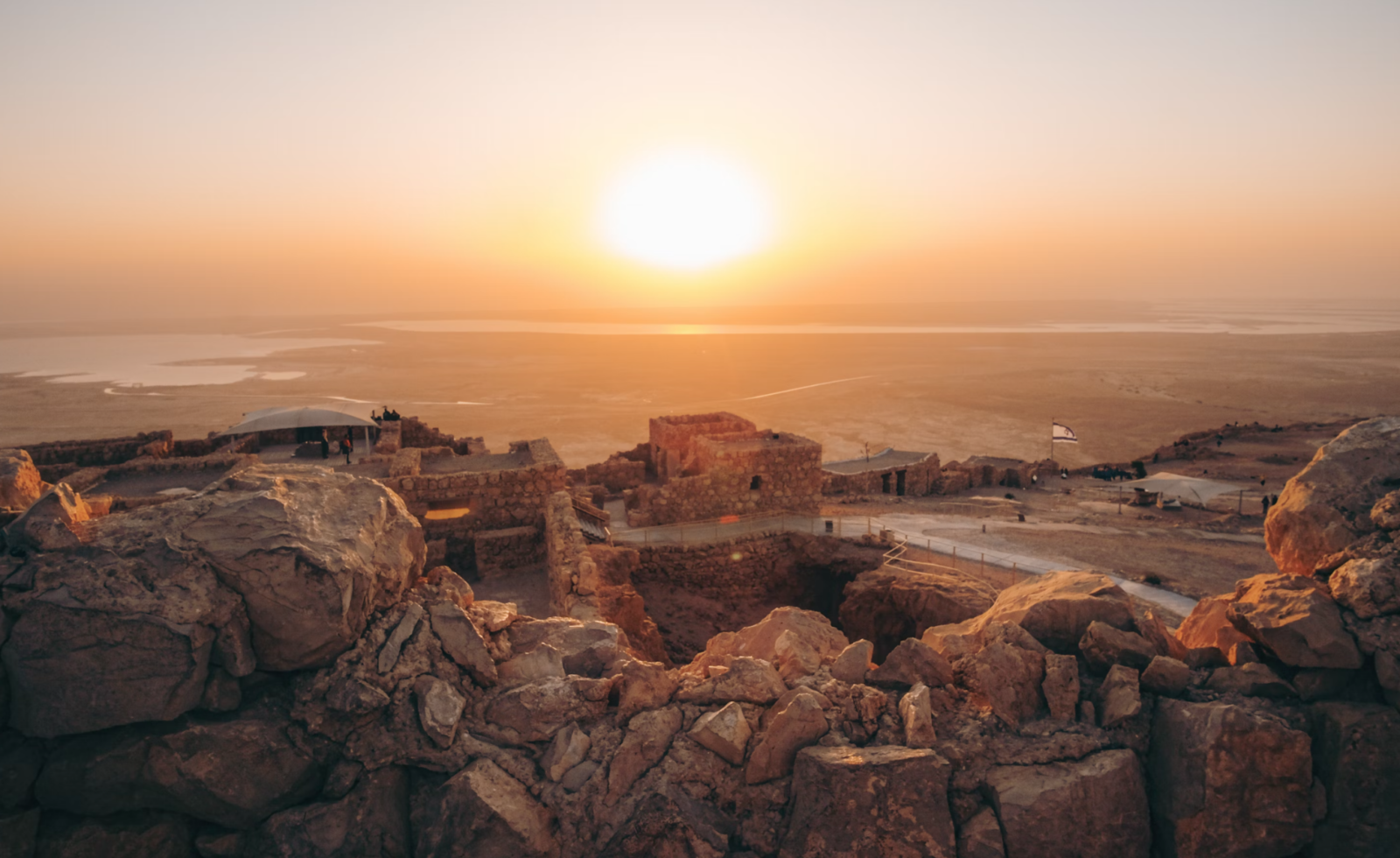
You arrive at the base of the plateau as the Judean Desert shifts from darkness to pale gold. The cable car ascends the eastern cliff, delivering you to the summit where Herod's Northern Palace clings to three terraced levels.
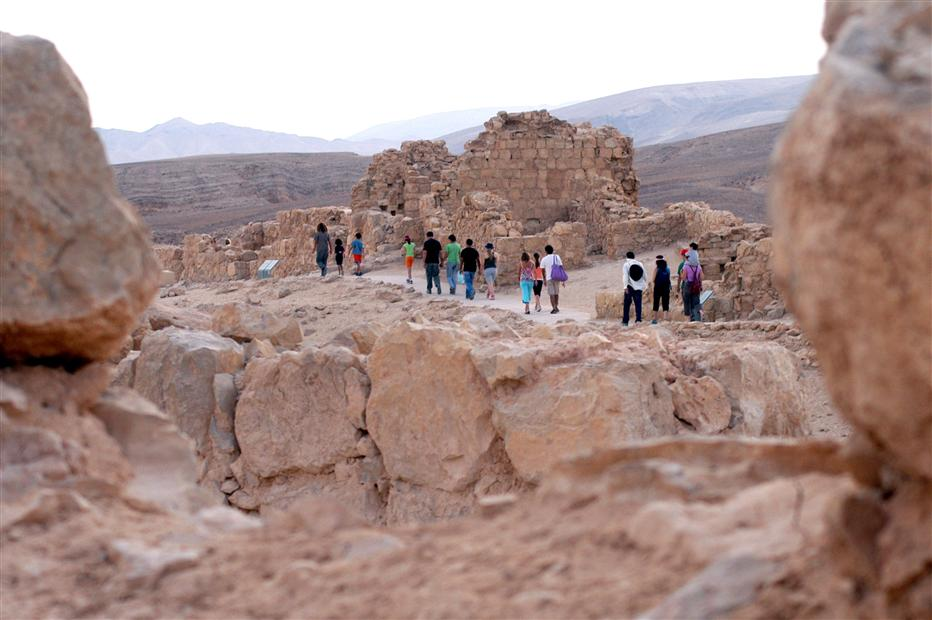
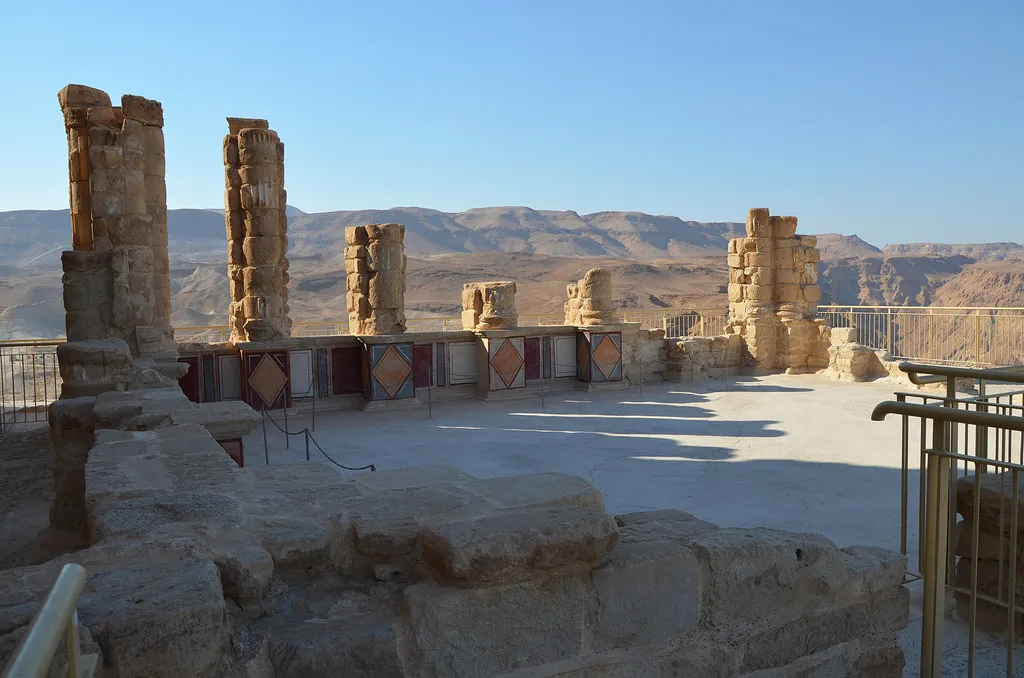
You walk through the upper terrace's residential quarters, descend to the middle terrace's circular pavilion, and reach the lower level where frescoed columns frame views of the desert floor.
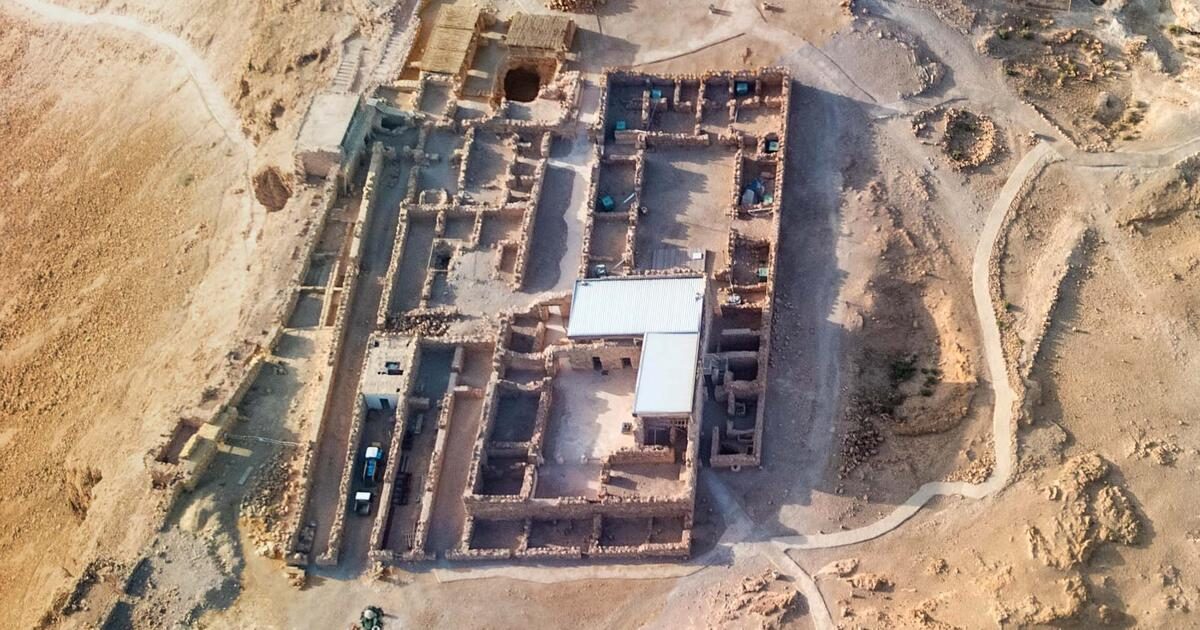
The bathhouse retains its original layout: caldarium, tepidarium, frigidarium. You trace the hypocaust channels beneath suspended floors, imagining steam rising in a desert palace. Storerooms line the plateau's edge, their roofs long collapsed but their sheer volume evident — space for provisions to sustain hundreds during siege months. The synagogue, oriented toward Jerusalem, sits at the plateau's western rim where the Roman ramp climbs into view.
You cross to the western casemate wall and look down at the siege ramp's geometry, earth and stone piled against the cliff by legionnaires. The Byzantine chapel's mosaic floor, centuries younger than Herodian foundations, adds a medieval layer. From the southern wall, the Dead Sea catches morning light, a sheet of brightness against rust-colored mountains.
All the details about your upcoming adventure in one place
A masada tour delivers access to the ancient fortress plateau rising 400 meters above the Dead Sea, where Herod's palace ruins and Roman siege remnants remain remarkably intact. Visitors reach the summit via cable car or the winding Snake Path, exploring UNESCO-listed archaeological zones that include bathhouses, storage chambers, and synagogue foundations. Most masada tour tickets bundle transportation from Jerusalem with guided commentary covering the 73 CE siege and ongoing excavation findings.
King Herod built his fortress palace atop a 400-metre plateau in 30 BCE, creating an architectural marvel that would later witness one of history's most documented sieges.
The Roman Tenth Legion spent months constructing an earthen ramp against the western cliff face — an engineering feat still visible today — to breach the stronghold where 967 Jewish rebels had sought refuge in 73 CE. What Herod designed as a luxurious retreat, complete with bathhouses, storerooms carved into rock, and an ingenious water cistern system, became a symbol of resistance that archaeologist Yigael Yadin would unearth nearly two millennia later.
Masada tours from Jerusalem and Tel Aviv converge on this UNESCO World Heritage Site where the Dead Sea shimmers 400 metres below and the Judean Desert stretches toward Jordan's mountains. The site's layered ruins reveal Herodian opulence: frescoed walls in the Northern Palace, a Roman-style bathhouse with hypocaust heating, and storerooms that once held grain, oil, and wine for years of isolation. Yadin's excavations in the 1960s uncovered fragments of biblical scrolls, coins minted during the revolt, and the eleven pottery shards that determined — by lot — who would carry out the final, harrowing act before the Roman breach.
The conservation work preserves both Herodian grandeur and the rebels' makeshift dwellings built within palace rooms. A cable car now ascends the eastern face, while the Snake Path — 700 steps of switchbacks — follows the route Herod's laborers carved. Sunrise tours time arrivals for the moment light floods the fortress and ignites the Dead Sea's surface. The western ramp, that monument to Roman siege craft, remains the most direct path to the summit plateau where Byzantine monks later built a chapel, adding another chapter to Masada's geological and human chronicle.
Masada tours Israel offer guided commentary through the palace terraces, synagogue, and garrison rooms, contextualizing artifacts displayed on-site. The museum at the base houses pottery, cosmetic items, and armor fragments. Academic debates continue over details of the siege narrative, but the physical evidence — ramp, fortifications, storage capacity — confirms a fortress designed to withstand isolation and a people who chose defiance over surrender.

The Roman ramp remains a monument to siege engineering, visible against the western cliff after two thousand years.
Modest clothing is recommended when exploring the historical ruins of your masada tour. Sturdy closed-toe footwear is essential due to uneven desert terrain and the 700 steps of the Snake Path.
Large backpacks are prohibited inside the fortress area during your masada tour. Utilize the locker facilities near the ticket windows to secure your belongings.
Photography is permitted throughout the national park. Visitors on a masada tour are encouraged to capture the Dead Sea vistas, but respect signed areas where photography may be restricted.
The site is educational for children, though the 700 steps can be strenuous for young ones. Consider the cable car for an easier family-friendly masada tour experience.
While the plateau of your masada tour is largely accessible, the Northern Palace features steep sections that are not wheelchair-friendly. Please consult park staff upon arrival regarding the specific accessibility routes available.
Eating is not permitted on the archaeological plateau. A cafeteria and restaurant are available at the base for visitors starting or ending their masada tour.
Opening Hours
08:00–16:00 (Fri 15:00)
Address
Masada National Park, Dead Sea Region, Israel
Accessibility
Cable car and plateau partially accessible
Best Arrival
08:00–09:00 for a masada tour
Storage
Lockers available for large bags
Navigation
Use Waze to reach specific entrance
Car · Variable · Rental fees apply
Follow Road 90 to the eastern entrance for cable car access.
Public Transport · 1-2 hours · Affordable fares
Take the bus to the Masada junction and walk to the park entrance.
Cancellation is typically managed via the official Israel Nature and Parks Authority booking system. Please refer to their site for the specific refund window regarding your 37 ILS conservation fee payment.
Recommended time
3-4 hours
A comprehensive masada tour typically requires three to four hours to explore the ancient fortification and archaeological ruins. Arriving during the best arrival window of 08:00–09:00 allows you to beat the desert heat while securing masada tour tickets before the midday surge. Those planning to ascend via the 700 step count path should allocate extra time, while visitors utilizing the cable car find that masada tour tours move more efficiently through the plateau terrain.
Crowd levels through the day
Weather · crowds · average price — dots go green to amber to red as each metric rises.
Mild temperatures make for a comfortable masada tour with high visitor interest.
Cooler mornings are ideal for hiking the trails during your masada tour.
Extreme heat requires early arrival between 08:00–09:00 for any masada tour.
Pleasant desert weather, though prepare for wind at the summit.
Always start your masada tour early in the 08:00–09:00 window to beat the sun.
If planning a Snake Path ascent, verify it is open before beginning your masada tour.
Purchase an audio guide at the entrance to enhance your understanding of the ruins.
Secure your masada tour tickets on the official site to skip long lines.
Follow all marked paths to preserve the archaeology during your masada tour.
King Herod the Great constructed Masada between 37 and 31 BCE as a fortified palace-retreat above the Dead Sea. He carved two ornate palaces into the rock—the northern three-tiered complex clinging to the cliff face and the western administrative residence—alongside massive storerooms, a bathhouse with heated floors, and cisterns capable of holding forty thousand cubic meters of rainwater. Roman engineers marveled at the desert fortress, yet Herod never used it as refuge during his lifetime. The site gained its enduring significance during the First Jewish Revolt against Rome, which began in 66 CE. After Jerusalem fell in 70 CE, a group of Jewish rebels known as the Sicarii seized Masada and held it until 73 or 74 CE. Roman governor Flavius Silva led the Tenth Legion to besiege the fortress, constructing a circumvallation wall and eight camps still visible today. The legionnaires built a massive siege ramp on the western approach using thousands of tons of stone and timber, supported by Jewish prisoners hauling material up the slope. When the Romans finally breached the walls, they discovered that 960 defenders had chosen death over enslavement—a narrative preserved by Josephus Flavius, though archaeological evidence leaves the account's full accuracy debated. Masada lay abandoned for centuries until Byzantine monks established a small settlement in the fifth and sixth centuries CE, building a church within the ruins. The site disappeared from European awareness until explorer Ulrich Jasper Seetzen identified it in 1838. Israeli archaeologist Yigael Yadin led excavations from 1963 to 1965, uncovering the palace complexes, synagogue, ritual baths, and fragments of biblical scrolls. His work transformed Masada into a symbol of resistance, though later scholars questioned his interpretive emphasis. UNESCO inscribed Masada as a World Heritage Site in 2001, recognizing both the Herodian architectural achievement and the archaeological record of the Roman siege. Today's masada tour reveals the desert stronghold where ancient engineering confronted imperial military power.
Herod the Great builds palace fortress with tiered complex and massive water cisterns
Jewish Sicarii rebels seize Masada during First Revolt against Rome
Roman Tenth Legion breaches walls after constructing siege ramp and circumvallation
Byzantine monks occupy ruins and build church within palace remains
Explorer Ulrich Seetzen identifies abandoned site above Dead Sea
Yigael Yadin excavations uncover palaces, synagogue, scrolls, and siege evidence
UNESCO designates Masada World Heritage Site for Herodian and Roman archaeology
Position yourself on the lowest tier of King Herod’s three-level villa to capture the dramatic desert cliffs dropping toward the Dead Sea. This masada tour highlight offers a unique perspective of the architectural layers.
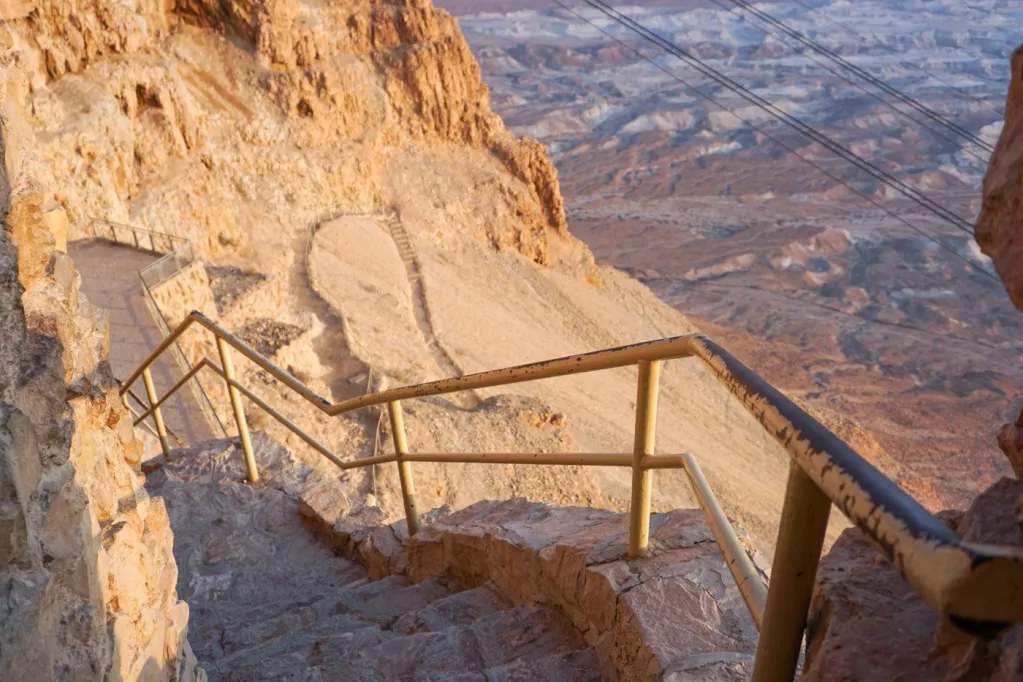
Located at the summit near the end of the 700-step ascent, this vantage point provides a clear view of the winding trail and the vast Judean Desert floor. Arrive early to secure your frame before other groups arrive for their masada tour tours.
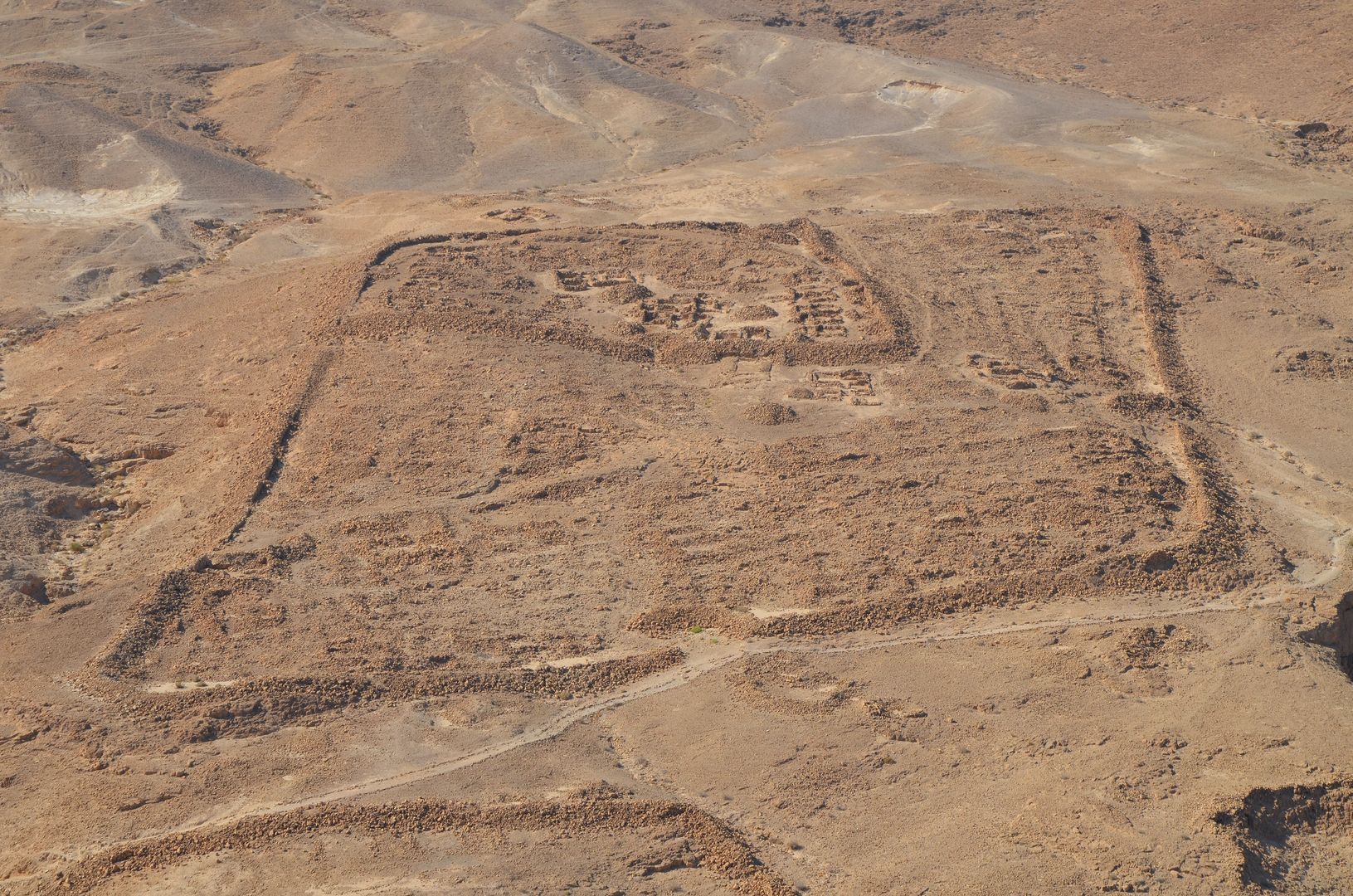
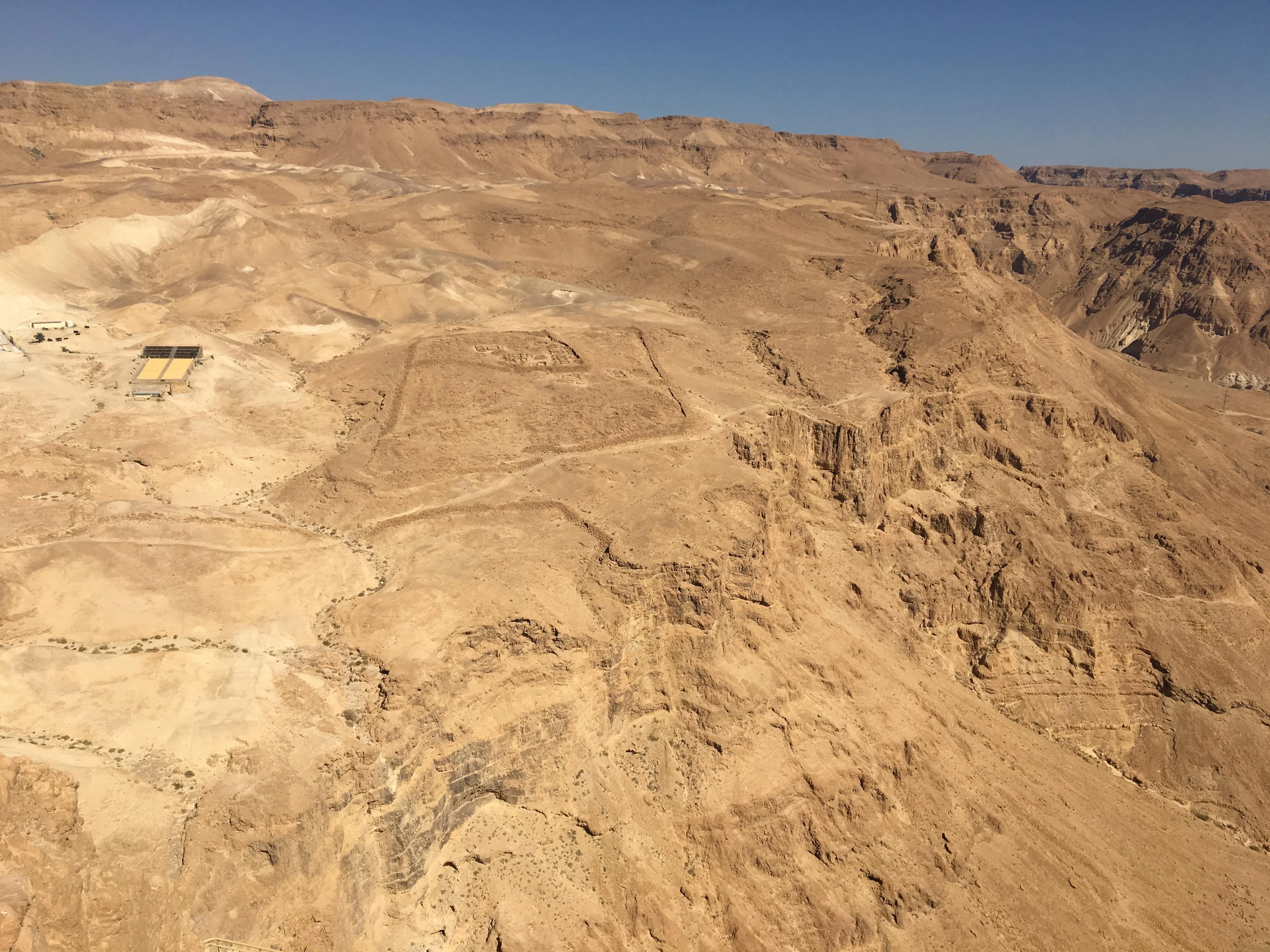
Stand near the well-preserved outline of the ancient encampment below the plateau to photograph the scale of the Roman circumvallation wall. This angle provides necessary context for your masada tour tour through the historical landscape.
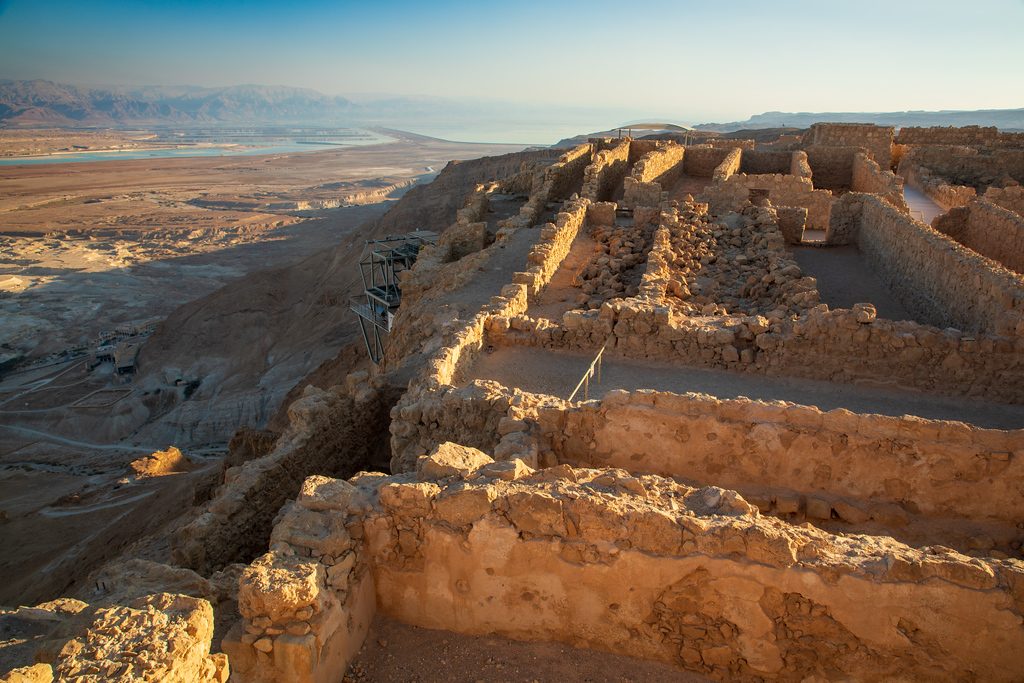
Walk along the reconstructed fortification walls to capture the geometric patterns of the ancient structure against the arid horizon. These walls are ideal for wide-angle compositions that emphasize the isolated desert setting.
Everything you need to know for your journey
Masada National Park is open from 08:00–16:00 daily, with a 15:00 closing on Fridays. Last entry is typically one hour before closing.
Yes, most of the plateau is accessible, though the Northern Palace has restricted areas.
The conservation fee is 37 ILS per person, excluding the cable car. Always check the official site for current pricing.
Yes, the Snake Path involves 700 steps; ensure you wear proper shoes and arrive between 08:00–09:00.
The best time is 08:00–09:00 to avoid desert heat and large crowds during your masada tour.
Yes, large backpacks are prohibited and should be stored in lockers provided at the entrance.
No, eating is not allowed on the archaeological plateau of the site.
You can drive to the eastern entrance via Road 90 or take a bus from major cities.
Yes, families are welcome, but note the terrain is challenging for very young children.
Famous for waterfalls and desert hiking trails.
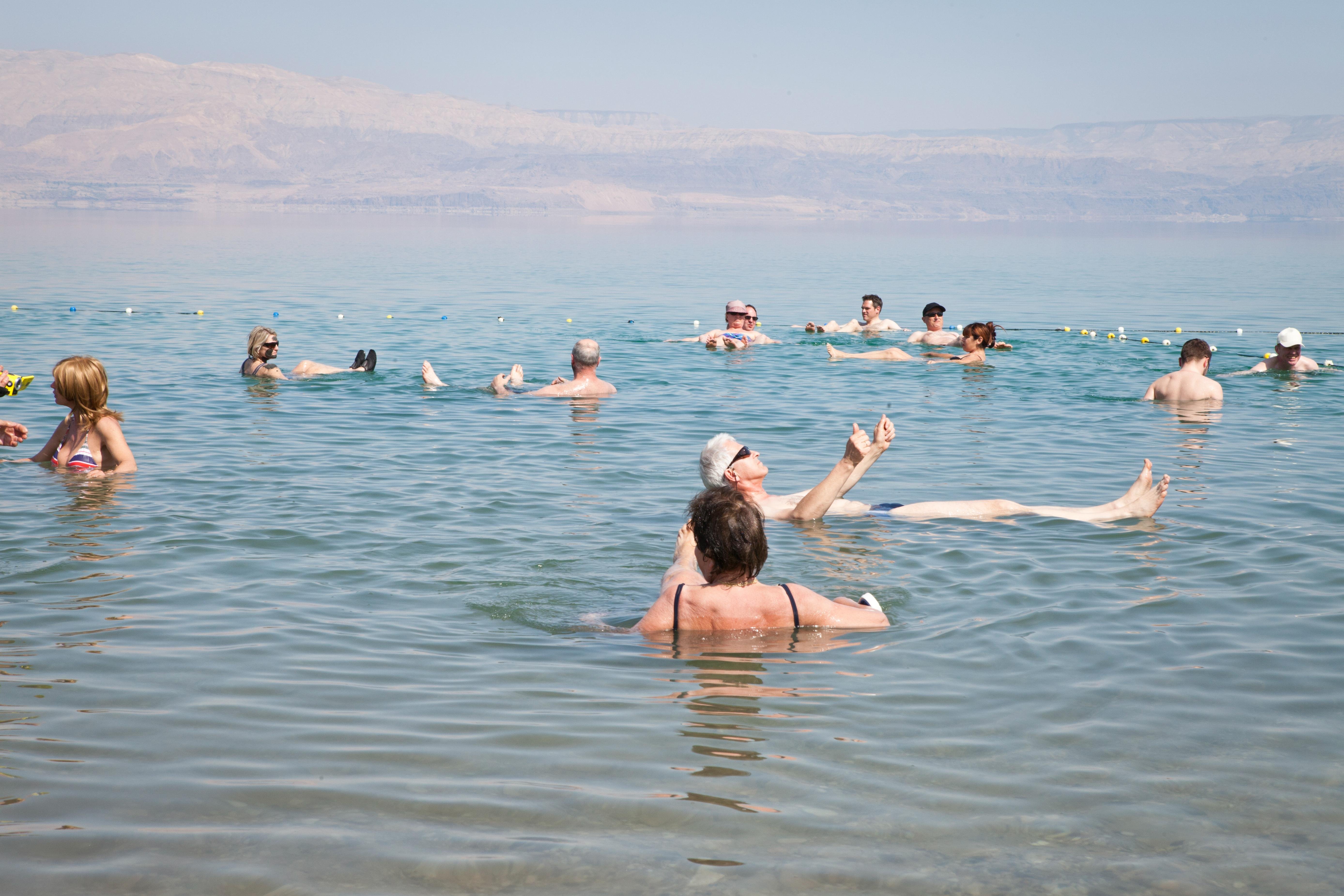
Experience the therapeutic salt waters after your masada tour.
Site of the discovery of the Dead Sea Scrolls.
Unique landscape known for salt formations.
Resort-style hotels near the Dead Sea shore.
Practical stay near the western entrance ramp.
Common choice for budget travelers.
Join thousands of happy travelers who have discovered this incredible experience
Book Your Experience Now