10 hr
Masada & Dead Sea Day Trip from Tel Aviv
- Expert local guide
- Small group
- Skip-the-line access
- Free cancellation
Masada and Dead Sea Tour from Tel Aviv — Reserved Full-Day Excursions
Climb Herod's desert fortress at dawn, float weightless in mineral waters
Compare fares, pick the fit — all bookings are mobile-voucher and eligible for free cancellation where shown.
10 hr
12 hr
10 hr
| Experience | From | Duration | Rating | Skip-the-line | Guide | Small group | Price | |
|---|---|---|---|---|---|---|---|---|
|
Guided Experience
Most popular
Masada & Dead Sea Day Trip from Tel Aviv
|
Tel Aviv | 10 hr | ★ 4.5 | ✓ | ✓ | ✓ | €110 | Book → |
|
Guided Experience
Masada, Ein Gedi & Dead Sea Full-Day Tour from Tel Aviv
|
Tel Aviv | 12 hr | ★ 4.2 | ✓ | ✓ | ✓ | €87 | Book → |
|
Guided Experience
Masada & Dead Sea Day Trip from Tel Aviv
|
Tel Aviv | 10 hr | ★ 4.5 | ✓ | ✓ | ✓ | €117 | Book → |
Worth it for history and nature seekers
A masada and dead sea tour from tel aviv delivers two UNESCO-caliber experiences in one day—Herod's clifftop fortress and the lowest point on Earth—but the 250 km round trip and early start demand commitment. Tours bundle transport, guide commentary on the First Jewish Revolt, and Dead Sea float time, eliminating the hassle of desert navigation and parking. The 37 ILS Masada entrance fee plus cable car costs are typically covered, though lunch and spa access remain add-ons. Value peaks for travelers prioritizing ancient ruins and mineral-rich buoyancy over Tel Aviv beach days. The sunrise option rewards early risers with cooler temperatures and golden-hour views across the Judean Desert. Ein Gedi extensions add waterfall hikes but compress time at each site. Solo drivers face fatigue and miss expert context; group tours justify the premium through logistical efficiency and historical depth.
Bottom line: Book masada and dead sea tour from tel aviv if you value guided context and logistical ease over independent flexibility—the historical payoff and float experience outweigh the long day for most first-timers.
While a masada and dead sea tour from tel aviv provides a comprehensive historical and floatation experience, Ein Gedi is better suited for travelers seeking active hiking and waterfall swimming. These regional landmarks offer distinct desert encounters depending on whether you prioritize ancient archaeological fortress ruins or lush desert oases.
|
Top pick Masada & Dead Sea |
Ein Gedi Reserve | |
|---|---|---|
| Focus | Archaeology and geology | |
| Access method | Cable car or hike | |
| Base fee | 37 ILS (adults) | |
| Physical effort | Moderate to high | |
| Primary highlight | Ancient fortress remains | |
| Travel time from TLV | Approx. 2 hours | |
| Recommended booking | masada and dead sea tour from tel aviv tickets | |
| See tickets & prices |
Verdict: Choose the masada and dead sea tour from tel aviv tours if you want a guided deep dive into Judean history, or choose Ein Gedi if you prefer independent trekking through a desert oasis.
Hand-picked experiences loved by thousands of travelers
12 hours
Free Cancellation
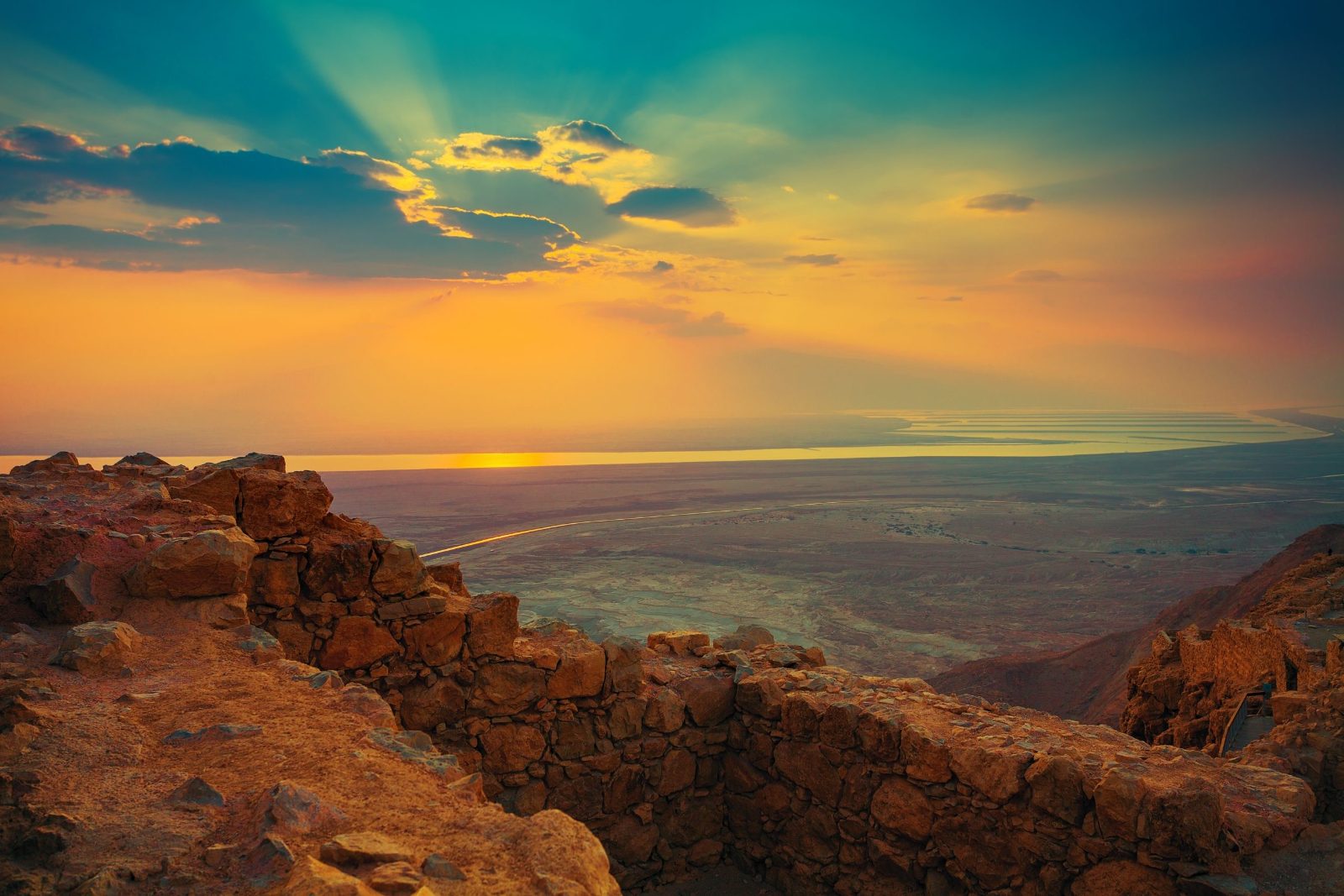
Watch dawn break over the Judean Desert from an ancient mountaintop fortress, then cool off in desert springs and float in the Dead Sea.
7 hours
Free Cancellation
Float in buoyant waters, coat yourself in therapeutic mud, and unwind at Earth's lowest point
7 hours 30 minutes
Free Cancellation
Journey to the legendary mountaintop fortress and float in the world's saltiest waters on this full-day adventure
10 hours
Free Cancellation
Experience desert sunrise atop an ancient fortress, hike a lush oasis, and float in the Dead Sea's healing waters
9 hours
Free Cancellation
Discover ancient desert fortresses, lush oasis trails, and float in the world's saltiest sea on this full-day private excursion
Arrival and ticket validation at the visitor center
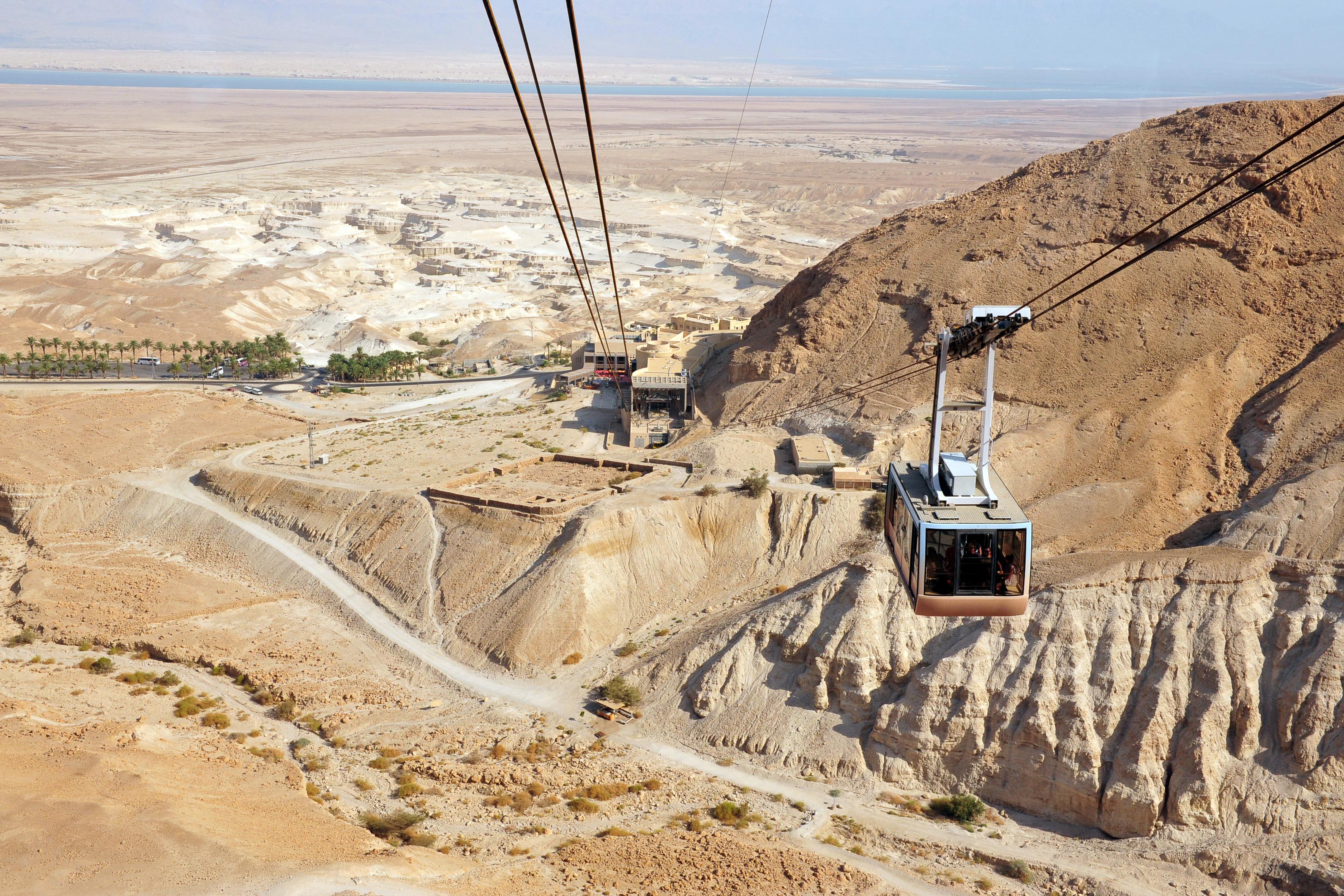
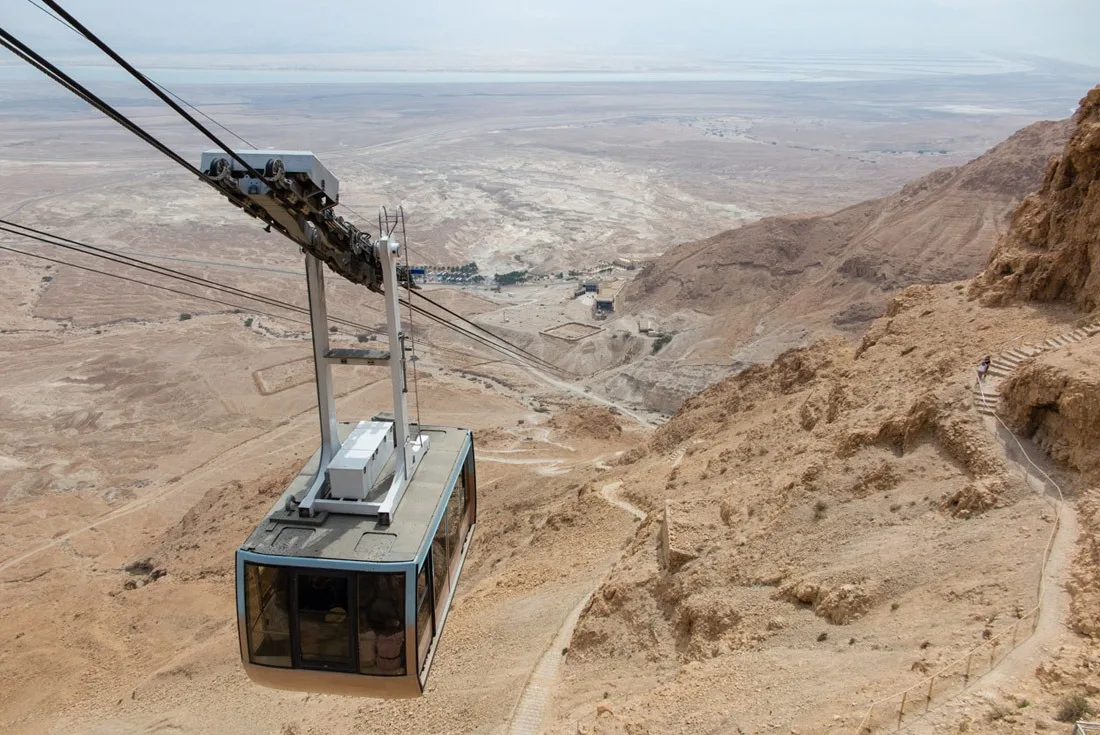
Cable car ride to the mountain fortress
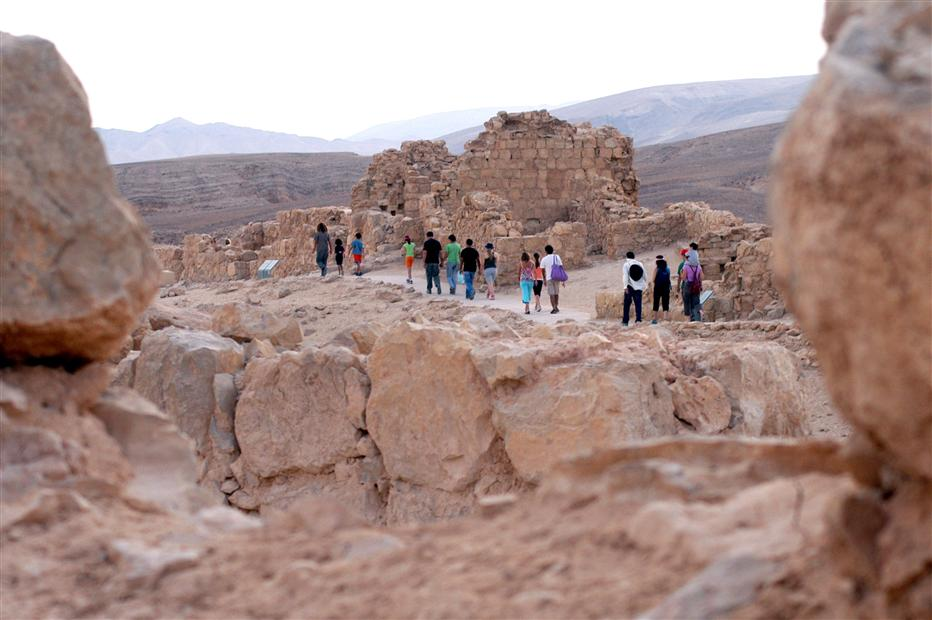
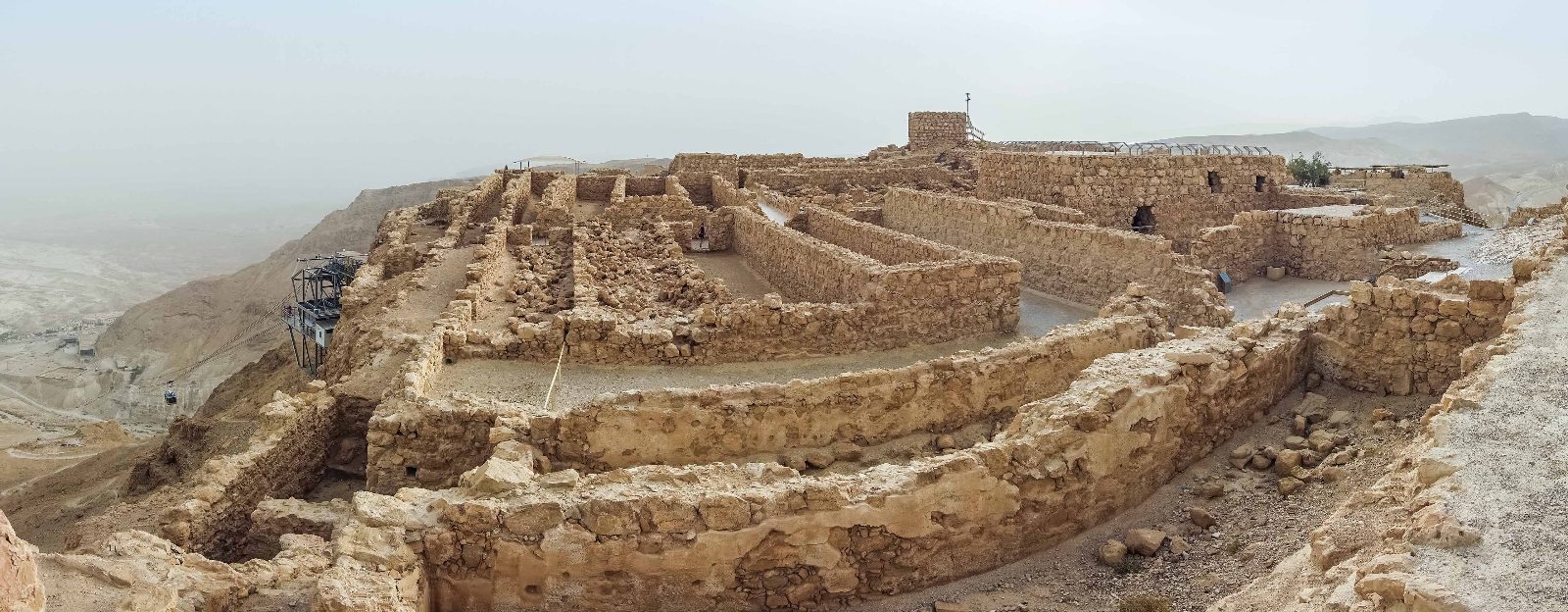
Walking the Northern Palace and Casemate wall
Return to base via cable car
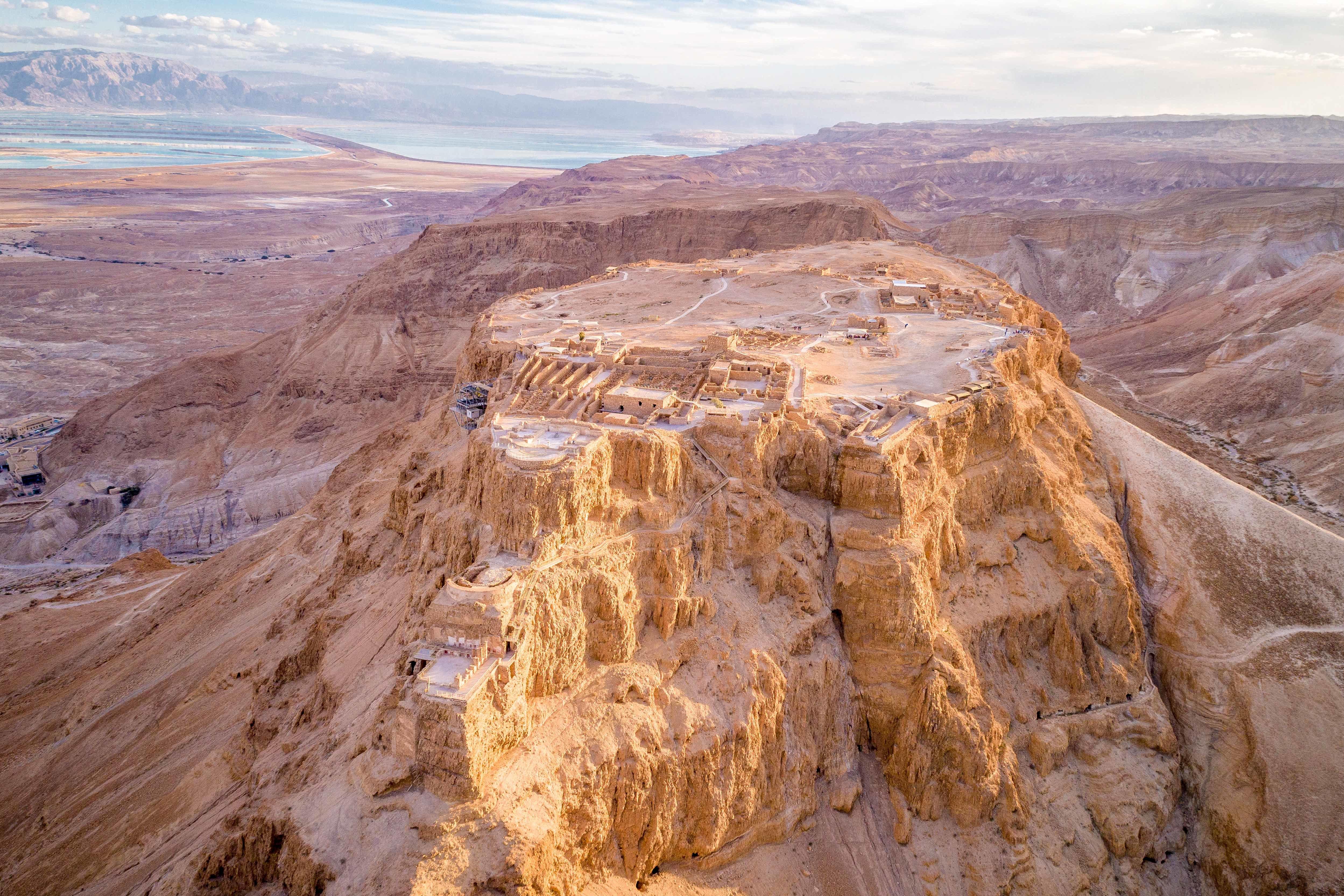
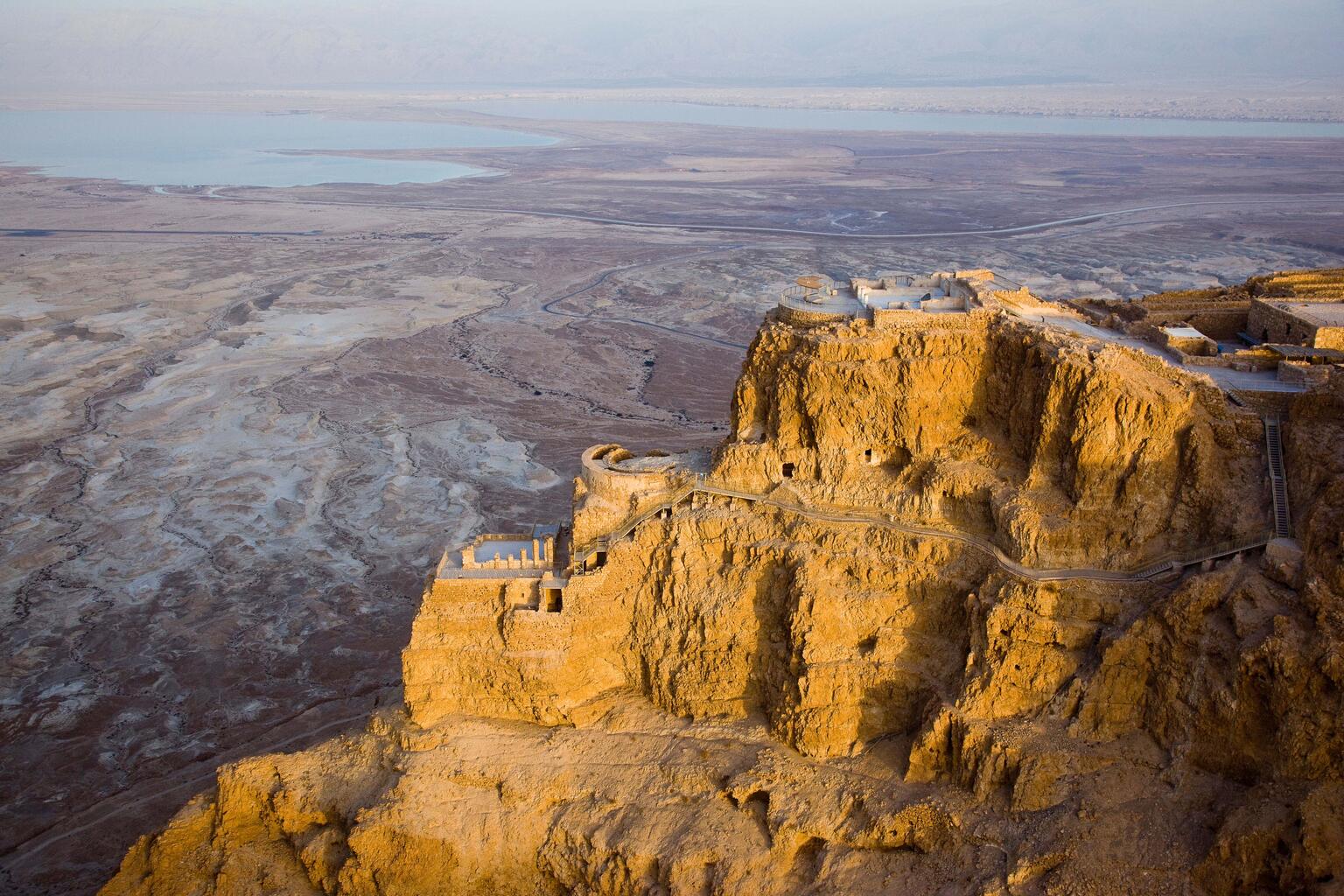
A three-tiered structure built into the cliffside by King Herod, offering views of the surrounding desert.
The historic route up the mountain containing 900 steps, though today most visitors choose the cable car.
An immense earthwork built by Roman legions during the siege of the fortress in 73 CE.
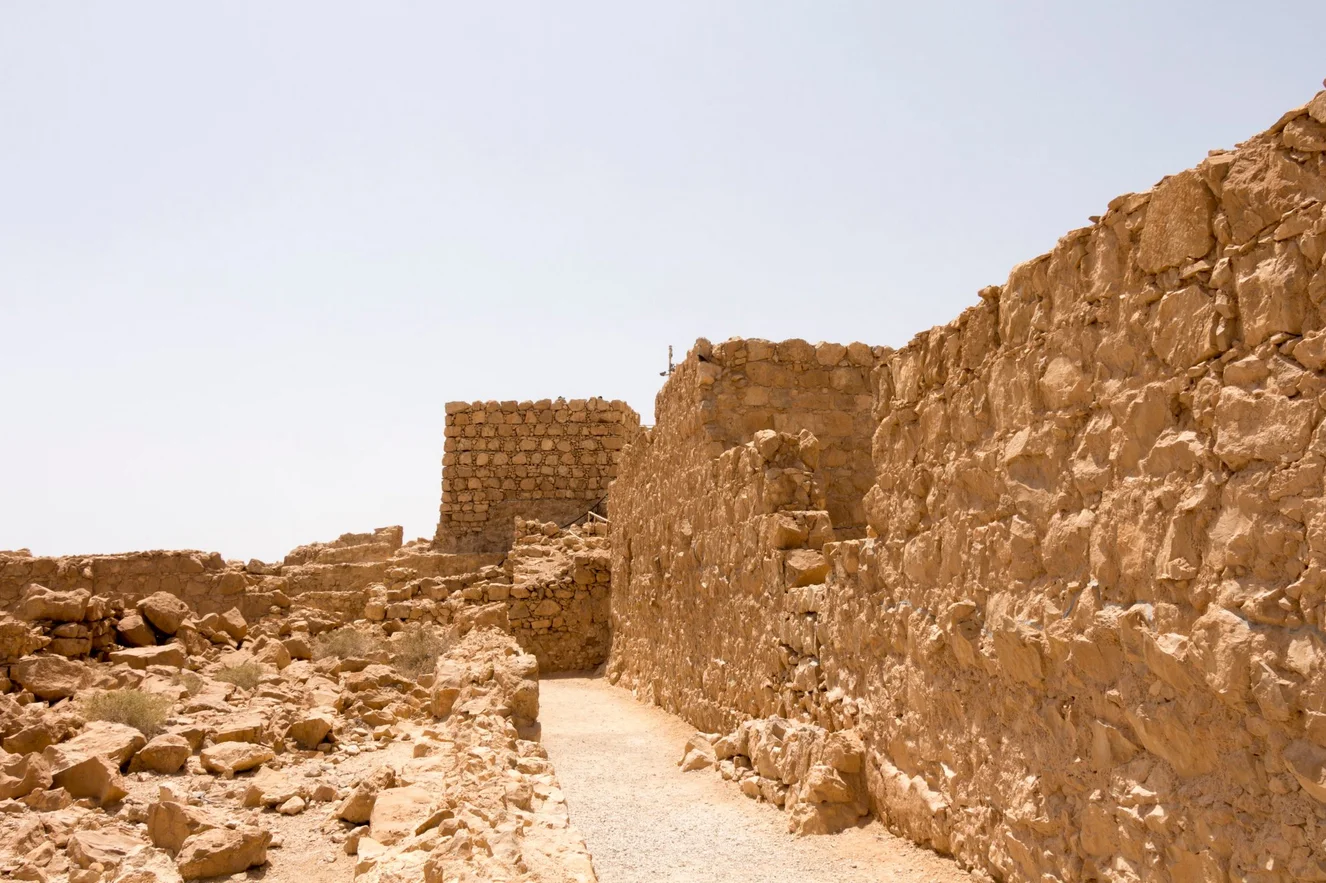
The fortification wall encircling the plateau, once used for storage and housing.
One of the oldest known synagogue buildings in the world, utilized by the Jewish rebels.
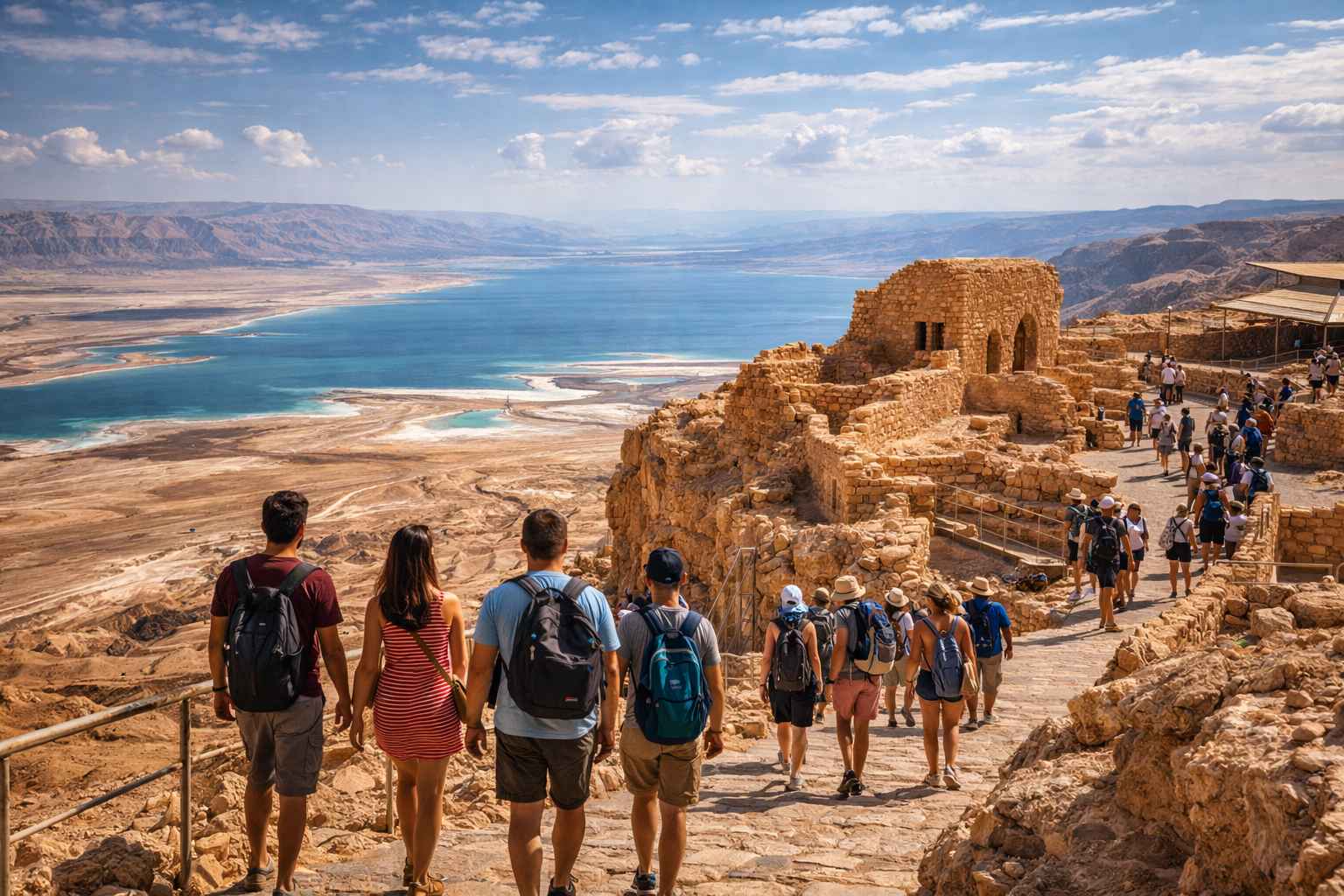
You depart Tel Aviv before sunrise, driving southeast as the Judean Hills sharpen into cliffs and the Dead Sea glints below. At Masada National Park you board the cable car—a three-minute ascent over the eastern escarpment—and step onto the plateau as first light strikes the northern palace's columned portico.
You walk the upper terrace where Herod received guests, descend to the middle terrace's circular pavilion, and peer over the lower tier's frescoed walls suspended above the gorge. The bathhouse's hypocaust channels are visible beneath glass; storeroom doorways still frame intact thresholds.
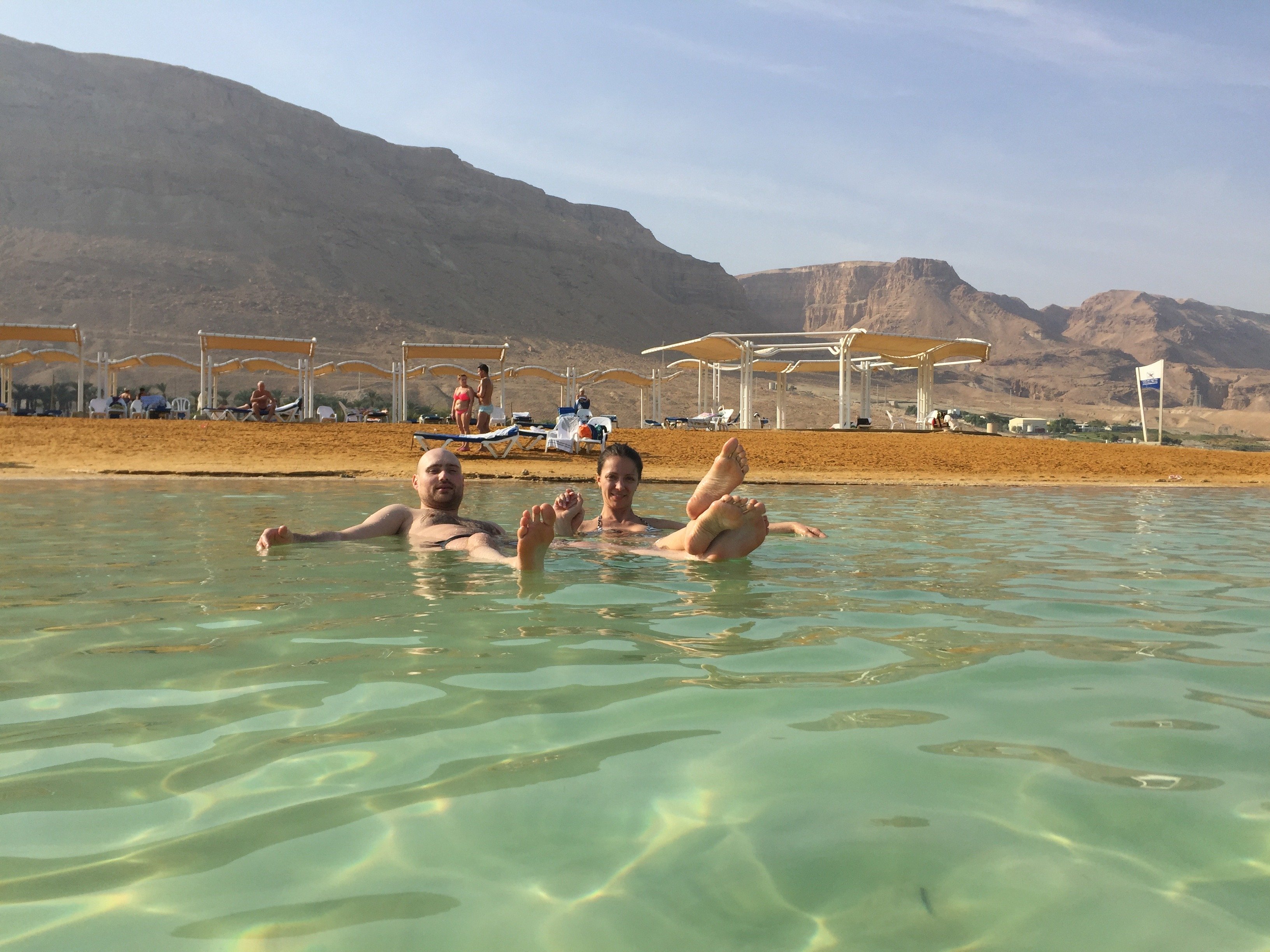
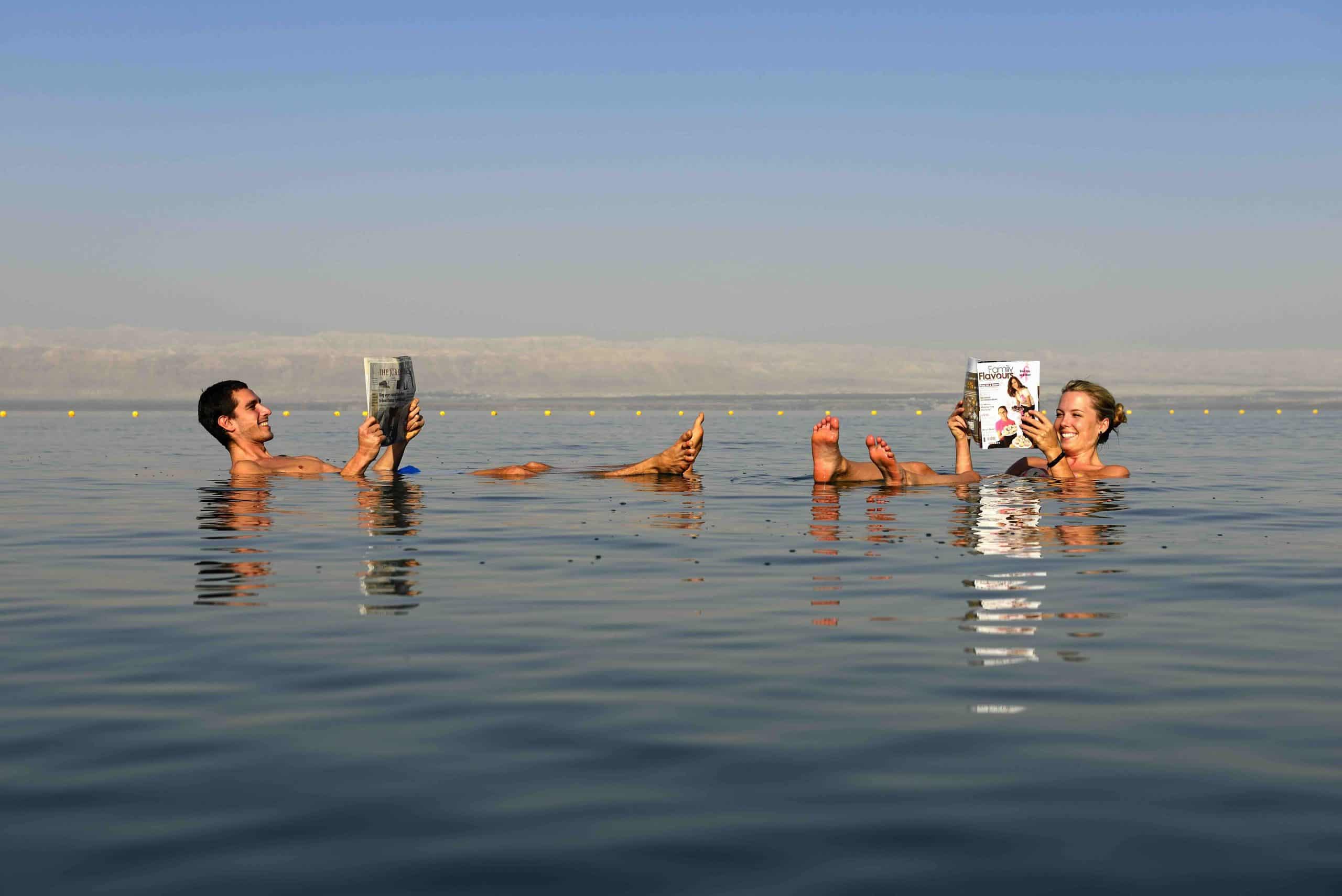
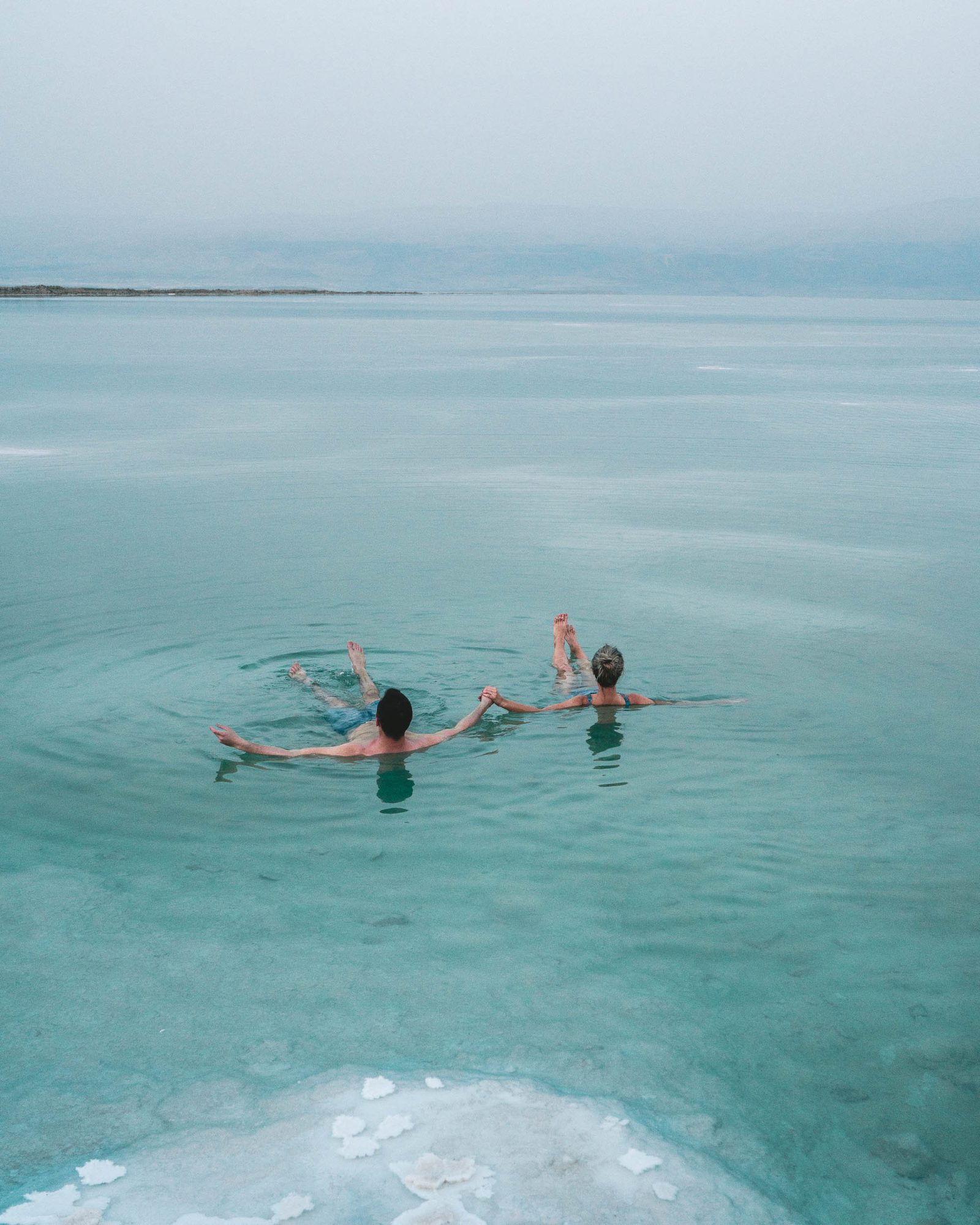
You trace the casemate wall, pausing at the Byzantine church's mosaic floor and the western palace's throne room, then descend to the museum displaying pottery, coins, and a reconstructed scroll fragment. Two hours later you're at a Dead Sea beach, wading into water so dense it refuses to let you sink. You float on your back, arms spread, while salt crystals rasp your ankles. A freshwater shower rinses the brine before the drive north—Masada's silhouette receding in the mirror, the lake's turquoise edge shrinking year by year.
All the details about your upcoming adventure in one place
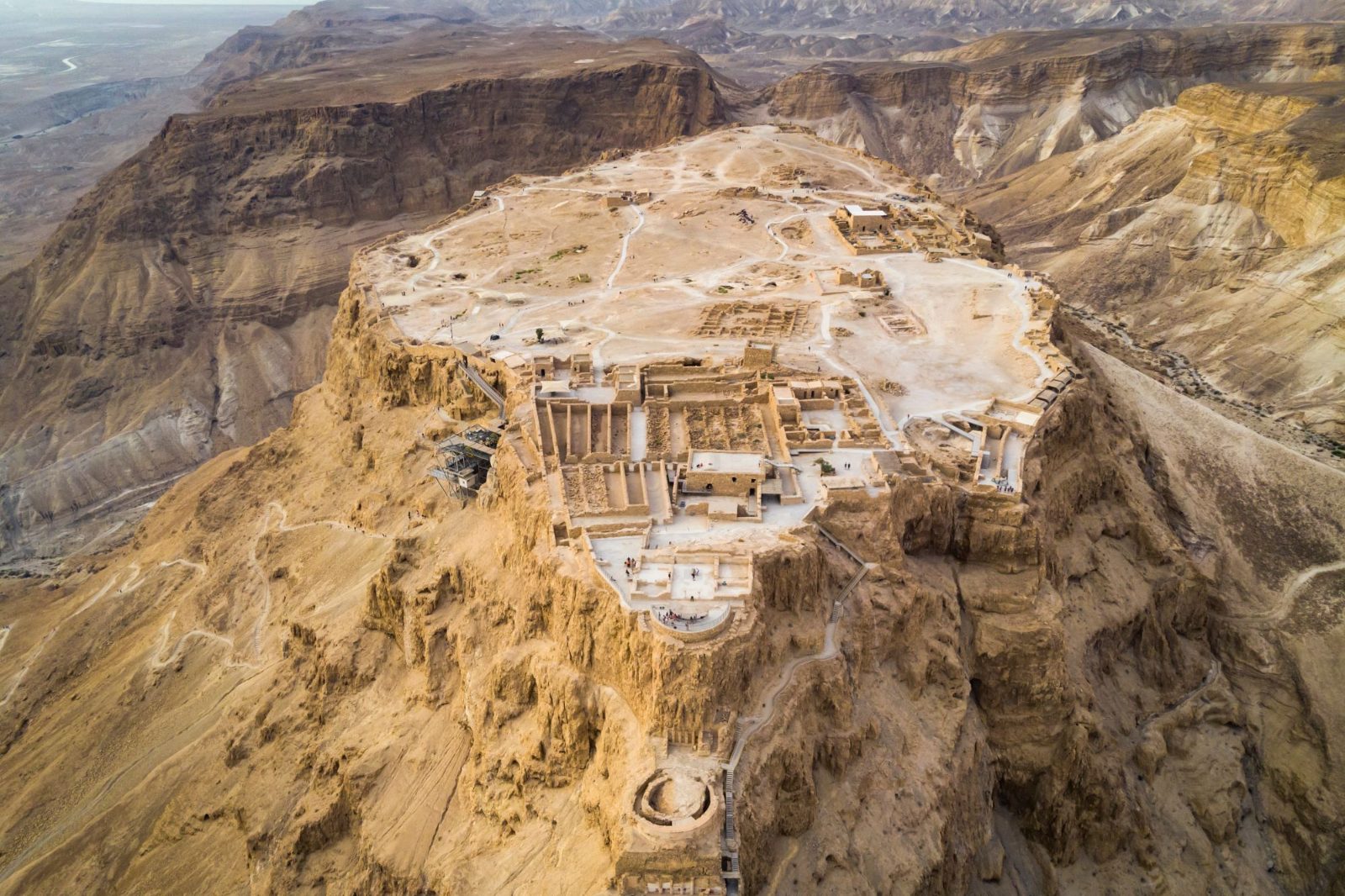
King Herod built Masada between 37 and 31 BCE as a desert refuge atop a 400-metre plateau overlooking the Dead Sea, equipping it with palaces, cisterns capable of holding 40,000 cubic metres of water, and storerooms that could sustain a siege for years.
The Roman Tenth Legion encircled the fortress in 73 CE, constructing a siege ramp still visible on the western slope, and when legionnaires breached the walls they found 960 Jewish rebels had chosen death over enslavement. UNESCO inscribed the site in 2001, recognizing both the engineering ambition of Herodian construction and the symbolism the fortress acquired as a monument to resistance.
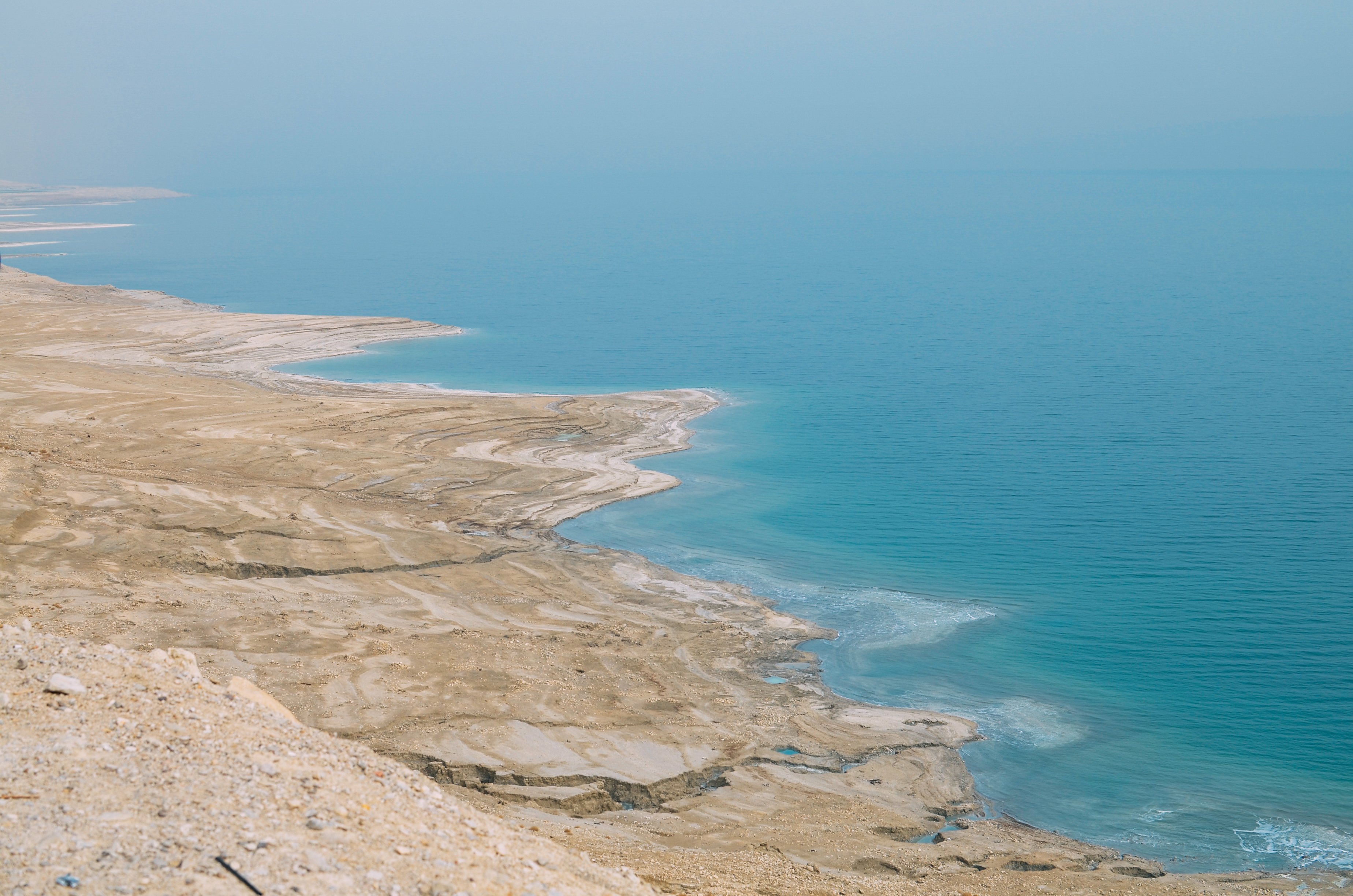
Today Masada and Dead Sea tour from Tel Aviv packages combine the plateau ruins with a float in hypersaline water 430 metres below sea level, the lowest terrestrial point on Earth. The Dead Sea's 34 percent salinity prevents submersion and its mineral-rich mud has drawn visitors since Roman physicians prescribed it for joint ailments. The lake is receding at roughly one metre per year, exposing sinkholes and salt formations along its western shore, a visible consequence of upstream water diversion. Tour itineraries typically allocate two hours at Masada National Park—enough to ride the cable car, walk the northern palace complex with its three terraced levels clinging to the cliff face, inspect the Byzantine church mosaics, and trace the perimeter casemate wall dotted with reconstructed residential chambers. A second stop at Ein Gedi oasis or a private beach follows, where buoyancy in water eight times saltier than the ocean requires no effort and prolonged immersion risks skin irritation.
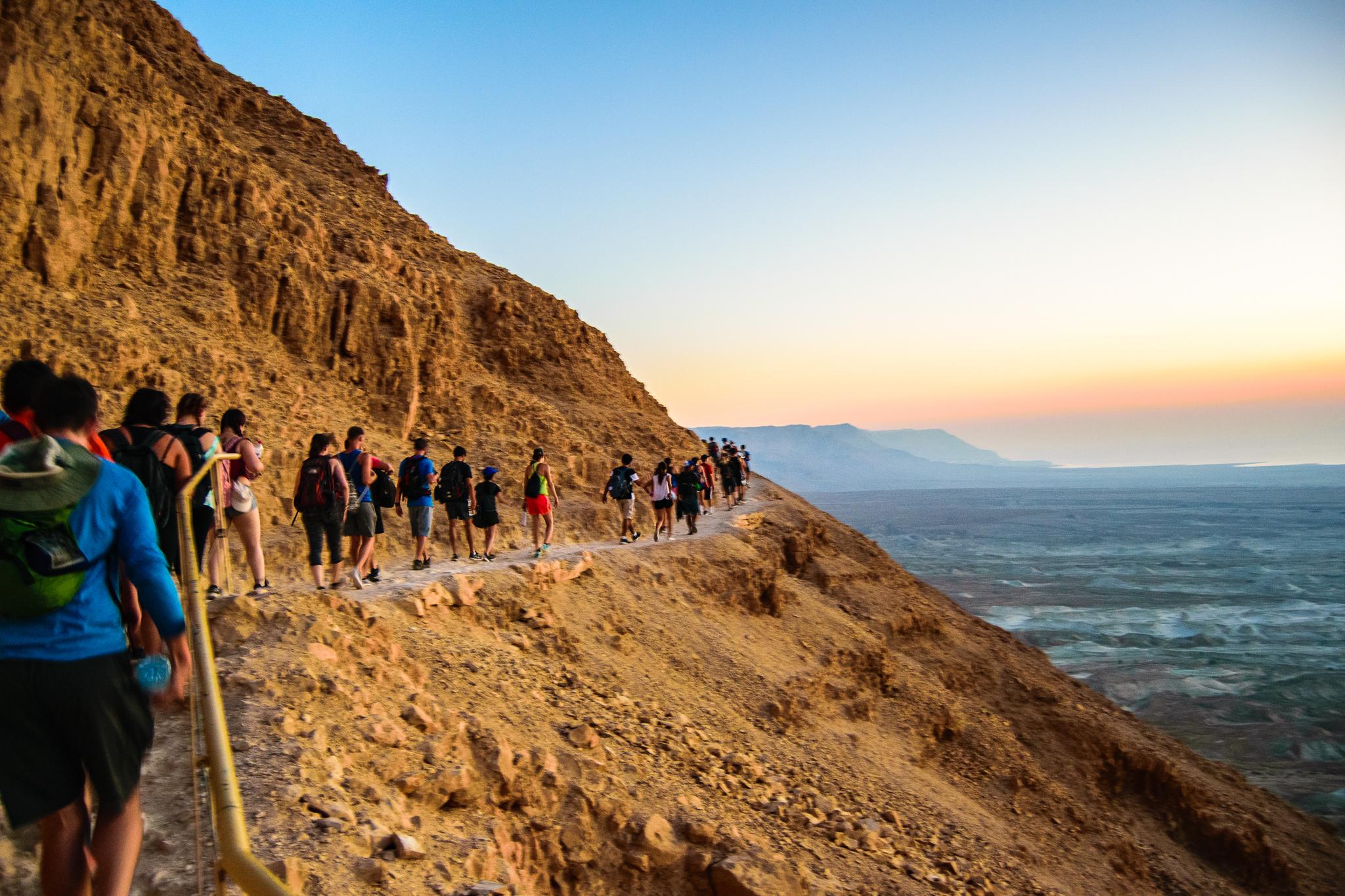
The Snake Path ascending Masada's eastern face counts 900 steps and climbs 350 vertical metres; sunrise hikers begin before dawn to avoid midday temperatures that exceed 40°C in summer. Admission to Masada National Park is 37 ILS, excluding the cable car. Yigael Yadin's 1963–1965 excavations uncovered Herod's bathhouse with its intact hypocaust heating system, storerooms still holding amphorae, and eleven small scrolls including a fragment of the Book of Psalms. The western palace, larger than its northern counterpart, served administrative functions and its throne room floor preserves original geometric mosaics. Tour operators include bilingual guides who contextualize the Roman circumvallation wall, eight siege camps, and the ramp engineering feat—a 115-metre stone and earth causeway raised in eight months. The visitor centre screens a short film before ascent; water and sun protection are non-negotiable in the Judean Desert's exposed terrain.
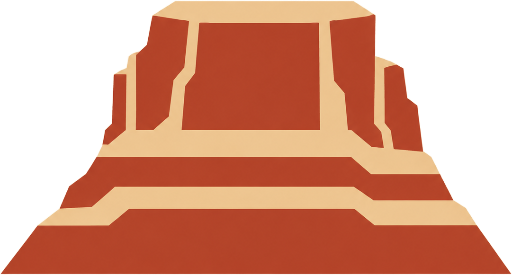
King Herod's cisterns could hold 40,000 cubic metres of water, enough to sustain a desert fortress for years.
Wear loose, light-colored clothing and sturdy walking shoes suitable for rocky, uneven desert terrain. A hat and sunglasses are essential for sun protection during a masada and dead sea tour from tel aviv.
Security checks occur at the entrance of Masada National Park. Keep your belongings light, as you will need to carry everything during your masada and dead sea tour from tel aviv.
Photography is permitted throughout the site, including historical ruins and viewpoints. Drone usage requires advance permits from the Israel Nature and Parks Authority.
Families participating in a masada and dead sea tour from tel aviv will find the cable car ride engaging for children. Ensure minors are supervised, especially near cliff edges.
The summit of Masada is accessible via cable car, which provides a comfortable alternative to the 900-step Snake Path. Some interior paths at the top may have rough surfaces difficult for standard wheelchairs.
Carry at least 3 liters of water per person. Food options are limited to the visitor center area, so bring snacks for your masada and dead sea tour from tel aviv.
Opening hours
08:00–17:00 (Fri 08:00–16:00)
Address
Masada National Park, Dead Sea, Israel
Step count
900 steps for the Snake Path
Arrival window
08:00–10:00
Public transport · 2.5 - 3 hours · Budget-friendly
Bus lines operate from Tel Aviv to the Dead Sea area; transfers may be required at central stations.
Car · 2 hours · Fuel costs vary
Follow Route 1 to Route 90; parking is available at the base of the mountain.
Cancellations made at least 24 hours in advance receive a full refund. The base admission fee of 37 ILS is non-refundable if the park is accessed.
Recommended time
3-4 hours
Most visitors spend roughly 3 to 4 hours exploring the ancient plateau, which provides ample time to walk the fortifications and admire the desert landscape on your masada and dead sea tour from tel aviv. Selecting the optimal masada and dead sea tour from tel aviv tour arrival window helps avoid the desert heat and ensures a smoother experience at the cable car or snake path. For those planning a comprehensive masada and dead sea tour from tel aviv tickets experience, extra time is required if you choose to traverse the 900 steps on foot. Crowds typically peak mid-morning, so arriving early provides a much quieter exploration of this Judean Desert archaeological site.
Crowd levels through the day
Weather · crowds · average price — dots go green to amber to red as each metric rises.
March to May offers pleasant temperatures for hiking before the peak summer heat.
September to November features cooling air, ideal for a masada and dead sea tour from tel aviv.
December to February provides mild conditions, though evenings can be cold.
June to August is extremely hot; visit early in the morning to avoid high temperatures.
Drink water consistently throughout the day, even if you do not feel thirsty.
Arrive during the 08:00–10:00 window to enjoy the site comfortably.
Wear closed-toe shoes with grip to handle the rocky pathways.
Bring a light jacket for the air-conditioned bus or cooler morning starts.
Apply sunscreen repeatedly as the desert sun is very strong.
Consider purchasing your ticket in advance to save time at the base station.
Between 37 and 31 BCE, Herod the Great transformed a barren plateau beside the Dead Sea into a fortress-palace that combined paranoia with architectural ambition. He fortified Masada with casemate walls stretching 1,400 meters, storerooms carved into rock, and an ingenious water cistern system that captured winter runoff from wadis below. The northern palace, cantilevered over the cliff in three terraces, featured frescoed walls and mosaic floors imitating Roman villa luxury. Herod never sheltered there during his lifetime, but the fortress stored enough grain and oil to sustain a garrison for years. In 66 CE, Jewish rebels fleeing Roman forces in Jerusalem seized Masada and turned Herod's refuge into their final stronghold. Led by Eleazar ben Ya'ir, 967 men, women, and children fortified the plateau while Roman governor Flavius Silva encircled it with eight camps and a siege wall in 72 CE. Silva's engineers constructed a ramp of earth and timber up the western face, a feat requiring thousands of enslaved laborers hauling stone under desert sun. When the battering ram breached the wall in 73 CE, legionaries found the defenders dead—according to Josephus, the rebels chose collective suicide over enslavement, casting lots to select ten executioners who would kill the rest before turning blades on themselves. Masada and dead sea tour from tel aviv offerings today reflect the site's layered resonance: Herod's engineering prowess, the siege's brutal logistics, and the symbolic weight Israeli identity assigned the plateau after Yigael Yadin's excavations between 1963 and 1965. Yadin unearthed pottery shards inscribed with names matching Josephus's account, scrolls hidden in floor cavities, and the skeleton of a young woman with preserved sandals. His work transformed Masada into a pilgrimage site where Israeli Defense Forces once held induction ceremonies atop the ruins. The cable car installed in 1971 replaced the Snake Path as the primary ascent, democratizing access but sparking debate over whether mechanized tourism diminishes the climb's memorial gravity. What endures is a vertical narrative—defiance stacked above pragmatism, both eroding under the same relentless sun.
Herod constructs fortress-palace with casemate walls, storerooms, and terraced northern palace overlooking the Dead Sea.
Jewish rebels seize Masada during First Roman-Jewish War, converting Herodian luxury into final stronghold.
Roman Tenth Legion under Flavius Silva besieges plateau, building earthen ramp and eight encircling camps.
Romans breach wall to find 960 defenders dead, ending three-year siege with mass suicide rather than capture.
American scholar Edward Robinson identifies ruins as biblical Masada, drawing European explorers to the plateau.
Yigael Yadin's excavations uncover scrolls, pottery, and human remains validating Josephus's siege account.
Cable car opens, replacing Snake Path as primary visitor route and sparking heritage-tourism tensions.
UNESCO designates Masada World Heritage Site for architectural and symbolic significance in Jewish history.
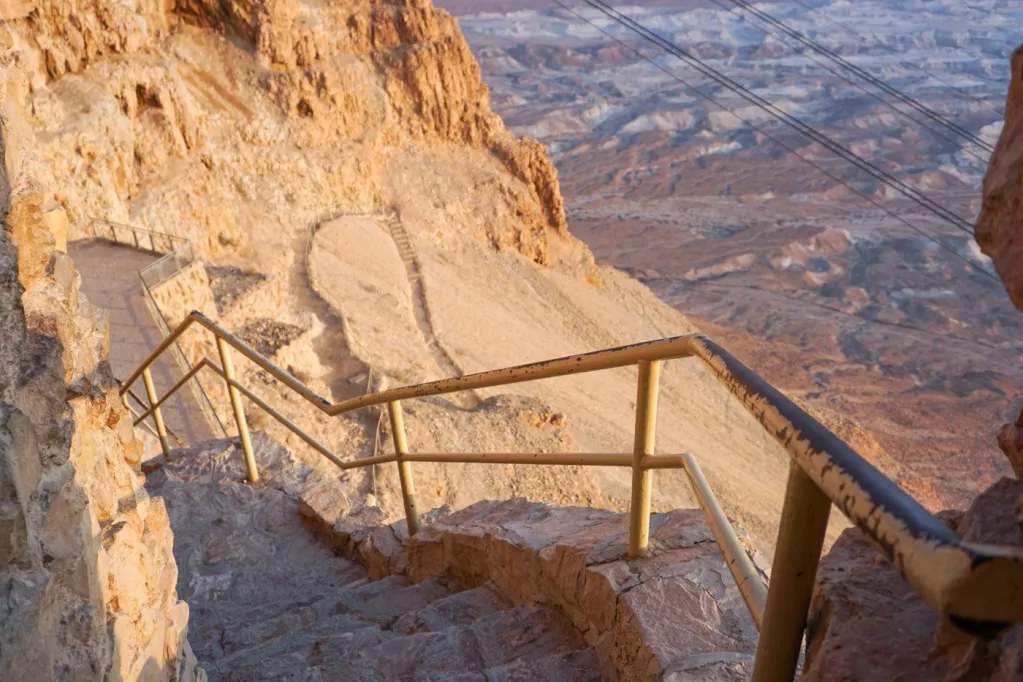
Stand on the edge of the lowest level to capture the triple-tiered architecture against the desert abyss. This location offers a clear view of the deep canyon and the rugged terrain found on a typical masada and dead sea tour from tel aviv.
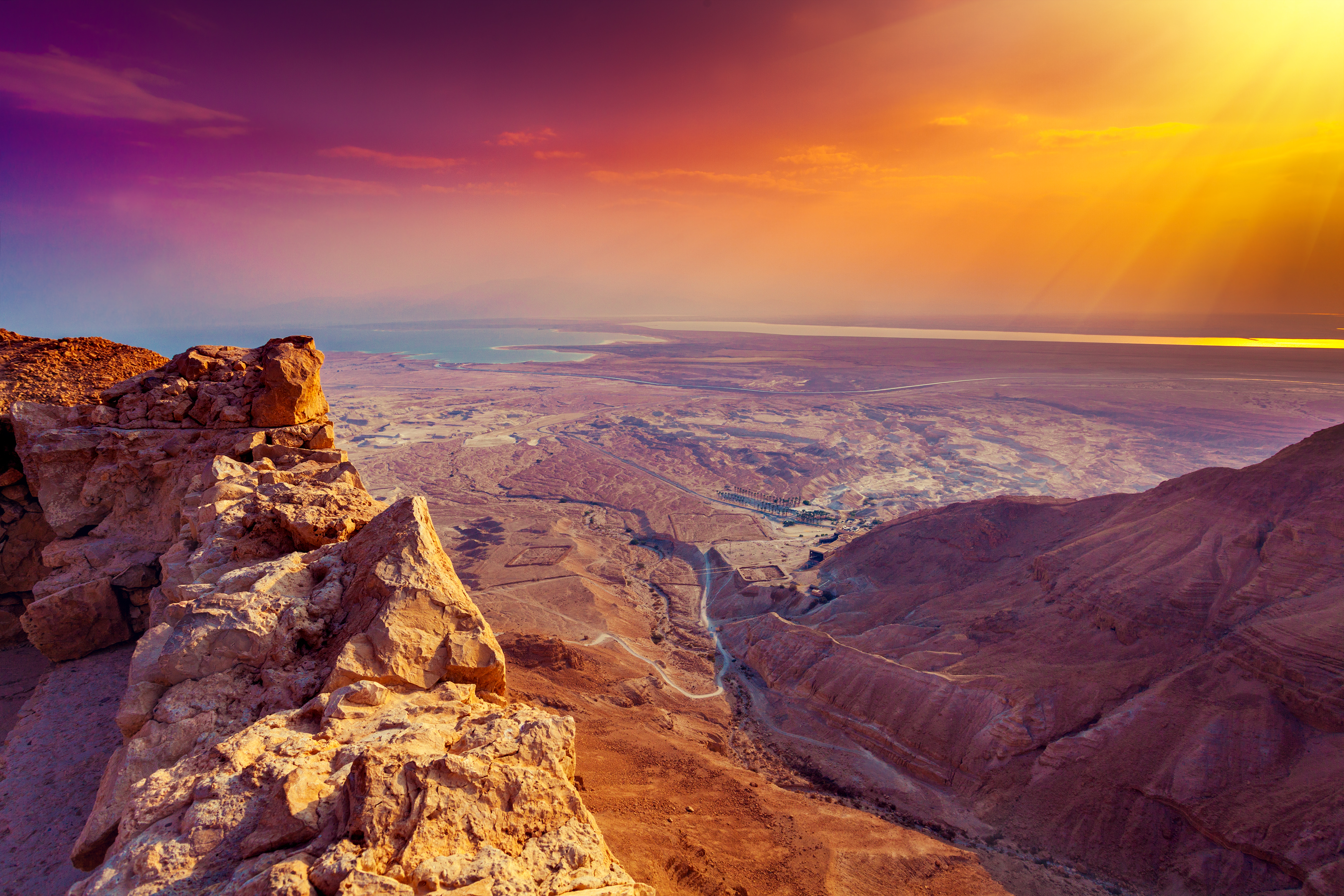
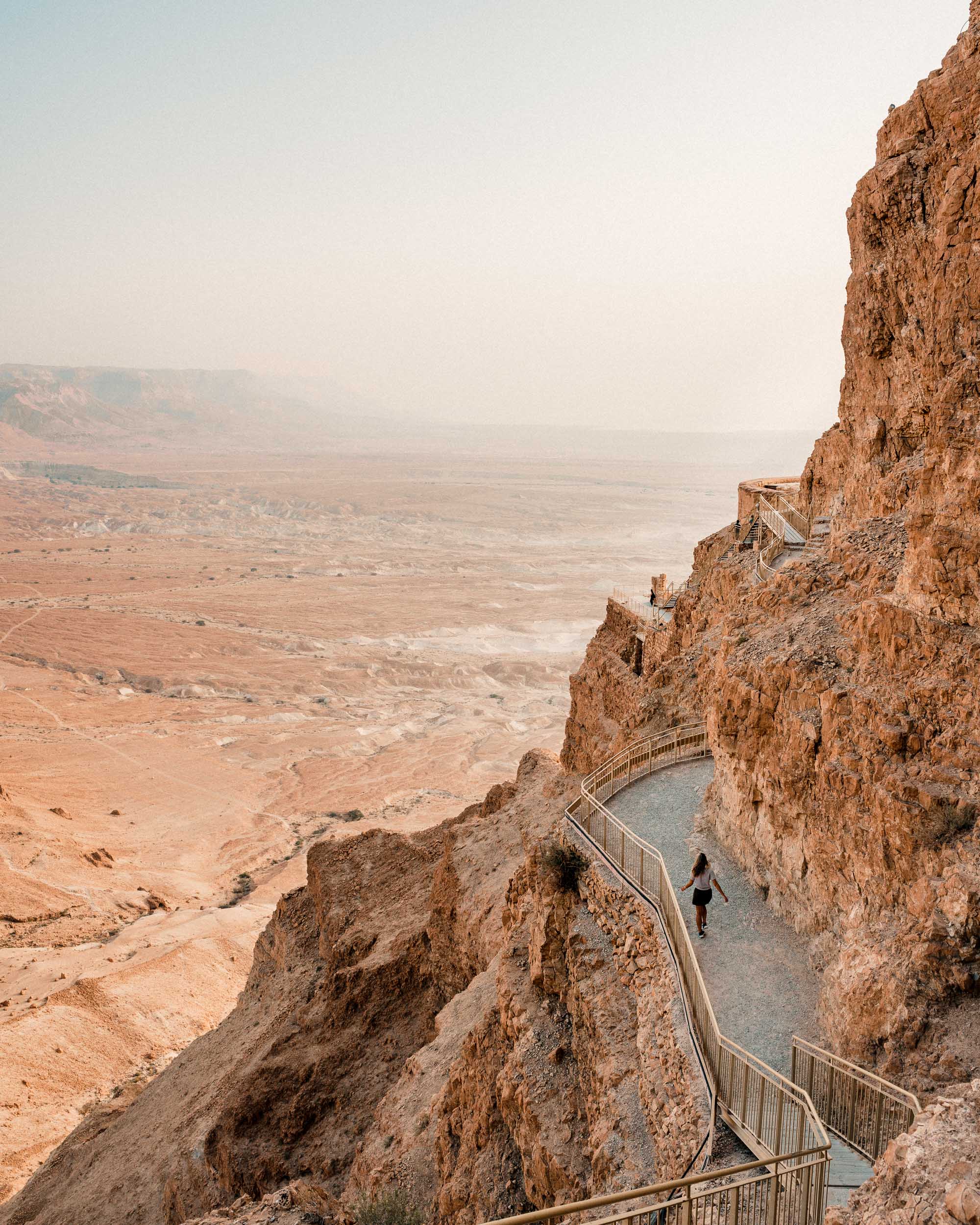
Position your camera to capture the winding trail as it snakes up the eastern cliff face toward the fortress plateau. This perspective highlights the scale of the fortification above the Judean Desert.
Walk along the reconstructed stone ramparts to frame the arid landscape and distant horizon within the ancient window openings. These architectural features provide excellent natural framing for your masada and dead sea tour from tel aviv tours photographs.
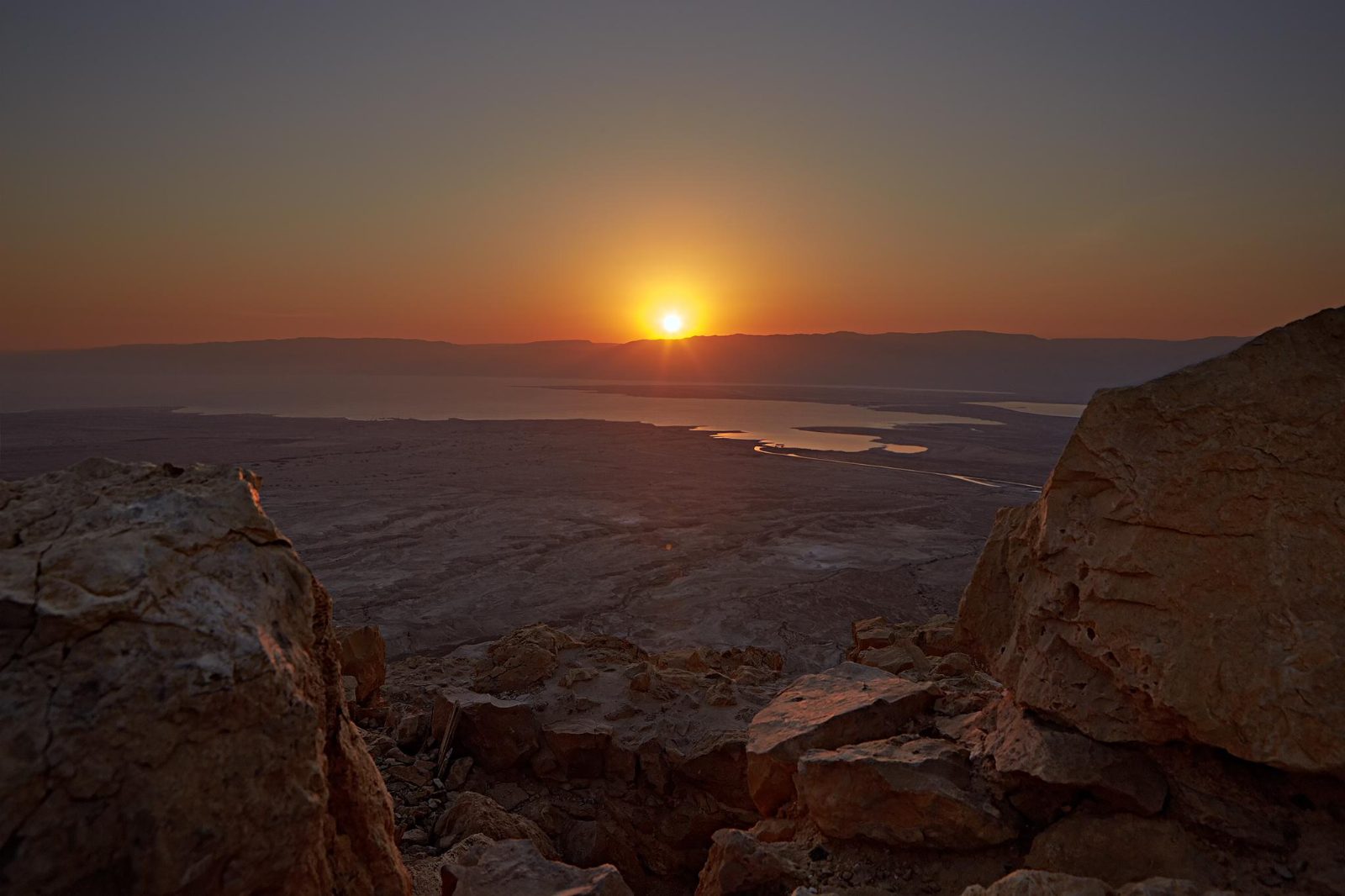
Located near the eastern wall, this is the prime spot to watch the light hit the Moab Mountains across the water. It is a popular choice for visitors utilizing skip-the-line masada and dead sea tour from tel aviv tickets for early access.
Planning a masada and dead sea tour from tel aviv requires careful preparation to ensure comfort for young travelers in the desert environment. Balancing the archaeological ruins with the physical demands of the site helps families enjoy this UNESCO World Heritage landmark.
Strollers cannot be used on the top of the plateau due to uneven terrain and rocky paths, so bring a child carrier for infants. You can leave strollers at the base before taking the cable car or starting your masada and dead sea tour from tel aviv tour.
School-age children often appreciate the dramatic history, but toddlers may struggle with the 900 step count if hiking. Many visitors choose the cable car to preserve energy for exploring the summit, which is a popular choice for masada and dead sea tour from tel aviv tickets holders.
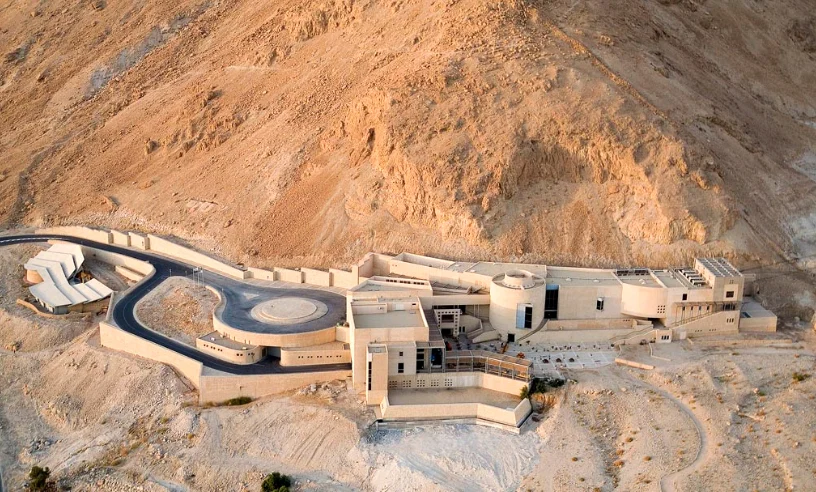
The visitor center provides air-conditioned spaces, accessible restrooms, and baby-change facilities near the entrance. These amenities are helpful when preparing for your day-long Tel Aviv to Masada excursion.
Pack plenty of water and snacks, as options are limited once you ascend the mountain. Eating a full meal at the base before or after your masada and dead sea tour from tel aviv tours ensures everyone stays energized.
Dining options are concentrated at the visitor center base, providing convenience for those on a masada and dead sea tour from tel aviv. While professional guides often recommend booking masada and dead sea tour from tel aviv tours that include meal stops, you can find casual sustenance steps from the cable car station.
Located right at the entrance, this spot offers quick sandwiches, salads, and cold drinks perfect for refueling. It is the primary choice for guests who have booked masada and dead sea tour from tel aviv tickets and need a convenient meal before or after their ascent.
Situated in the Masada visitor complex, this familiar venue serves reliable coffee, pastries, and light breakfast plates. It provides a comfortable environment for those coordinating their masada and dead sea tour from tel aviv tour logistics near the desert trailhead.
Everything you need to know for your journey
The park is open daily from 08:00–17:00, with a shorter Friday schedule ending at 16:00.
The 37 ILS base admission fee depends on your specific booking; verify if your tour includes this or if you pay at the gate.
There are 900 steps on the Snake Path, though the cable car is available to skip the climb.
We recommend an arrival window between 08:00–10:00 to avoid the midday desert heat and crowds.
Yes, families are welcome, though paths may be challenging for very young children.
Pack water, sunscreen, a hat, and sturdy shoes for your visit.
Food options are limited to the visitor center, so bringing snacks is advised.
Cancellation terms vary; check your specific tour voucher for the 24-hour refund policy.
Photography is permitted, but drone usage requires special authorization from the national park authorities.
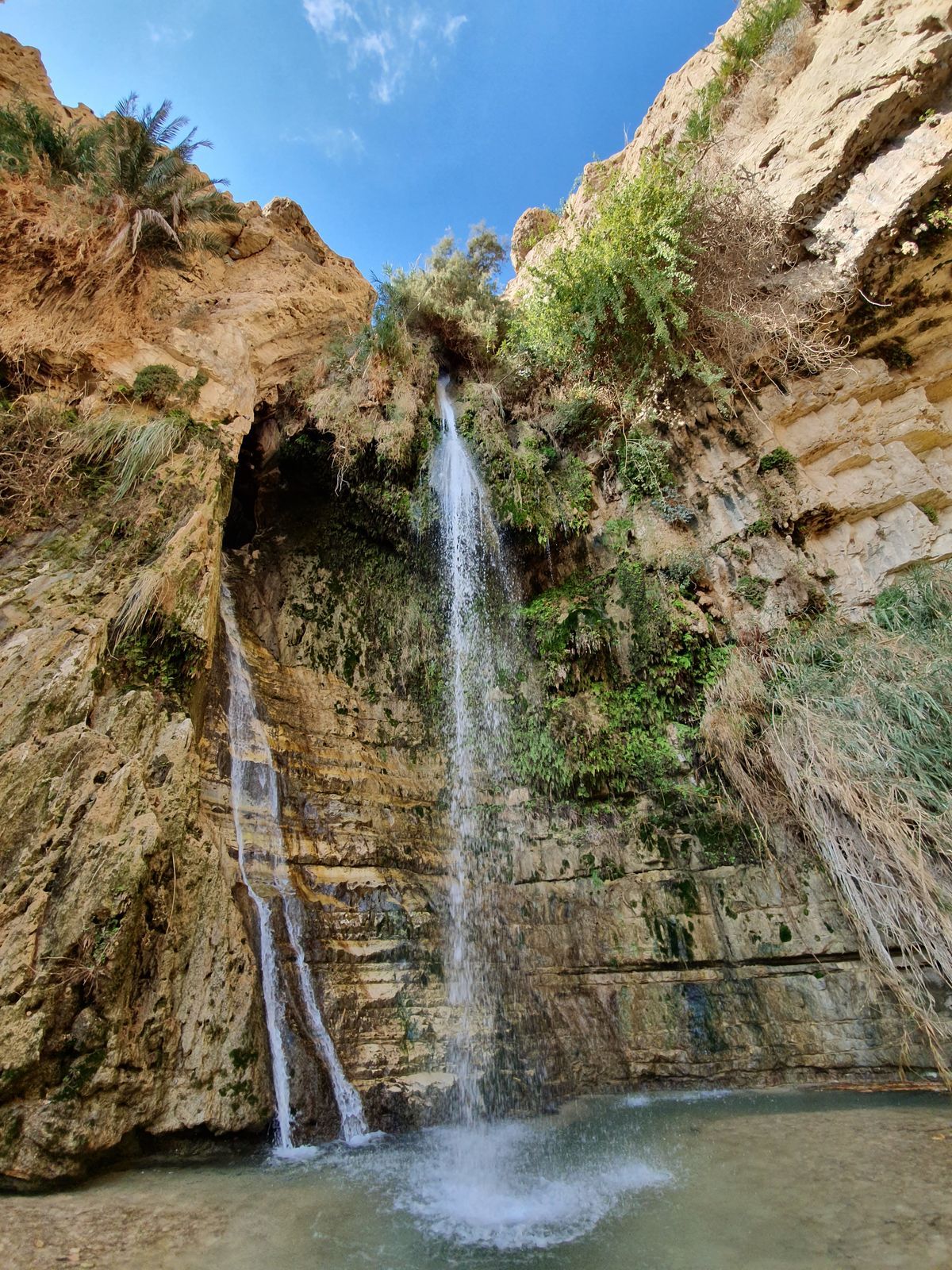
Features waterfall hikes and local flora unique to the desert oasis.
Known for high salinity and therapeutic mud treatments along the shoreline.
The location where the Dead Sea Scrolls were discovered in the mid-20th century.
Offers quiet lodging with access to a botanical garden.
Area featuring high-end spa hotels and private beach access.
Simple accommodation options in a nearby desert city.
Join thousands of happy travelers who have discovered this incredible experience
Book Your Experience Now