10 hr
Masada & Dead Sea Day Trip from Tel Aviv
- Expert local guide
- Small group
- Skip-the-line access
- Free cancellation
Masada Tour from Tel Aviv — Guided Excursions & Dead Sea Access
Desert fortress perched above the Judean cliffs, where sunrise illuminates two millennia of defiance
Compare fares, pick the fit — all bookings are mobile-voucher and eligible for free cancellation where shown.
10 hr
12 hr
12 hr
| Experience | From | Duration | Rating | Skip-the-line | Guide | Small group | Price | |
|---|---|---|---|---|---|---|---|---|
|
Guided Experience
Most popular
Masada & Dead Sea Day Trip from Tel Aviv
|
Tel Aviv | 10 hr | ★ 4.5 | ✓ | ✓ | ✓ | €110 | Book → |
|
Guided Experience
Masada, Ein Gedi & Dead Sea Day Trip from Tel Aviv
|
Tel Aviv | 12 hr | ★ 4.2 | ✓ | ✓ | ✓ | €87 | Book → |
|
Guided Experience
Masada Sunrise, Ein Gedi & Dead Sea Day Trip from Tel Aviv
|
Tel Aviv | 12 hr | ★ 4.3 | ✓ | ✓ | ✓ | $99 | Book → |
Worth it for history enthusiasts and desert scenery seekers
A masada tour from tel aviv delivers genuine value if you prioritize UNESCO heritage sites and desert landscapes over urban sightseeing. Tours typically bundle transport, entry (saving you the 37 ILS per-person conservation fee hassle), and often Dead Sea access in a single day—removing the logistical burden of navigating buses and coordinating timing across remote Judean Desert sites. The ancient fortress atop the plateau offers sweeping views and archaeological significance tied to the Roman siege, while Ein Gedi oases and Dead Sea floating add ecological contrast. Day trips from Tel Aviv range from basic Masada-only itineraries to sunrise hikes and multi-stop combinations, so you're paying for convenience and curation rather than just entry. For visitors who value their time and want expert context on Herodian architecture and the Zealot story, masada tour from tel aviv tours justify their cost. Independent travelers comfortable with early buses and self-guided exploration can replicate the experience cheaper, but most find the guided experience worth the premium for a site this remote and historically layered.
Bottom line: The tour premium buys you seamless desert access and historical depth that independent trips struggle to match in a single day.
They complement each other; most visitors who do both call Masada the more historic, while Ein Gedi is the more refreshing oasis experience.
|
Top pick Masada |
Ein Gedi | |
|---|---|---|
| Primary focus | Herodian fortress and history | Desert oasis and hiking |
| Entrance fee | 37 ILS (base) | 28 ILS |
| Access steps | 900 steps | Varied trail difficulty |
| Best arrival window | 08:00–10:00 | 08:00–10:00 |
| Typical duration | 2–4 hours | 2–4 hours |
| Best for | History enthusiasts | Nature and wildlife lovers |
| Booking requirements | Available via masada tour from tel aviv tickets | Reserve entry in advance |
| See tickets & prices |
Verdict: If you prioritize archaeological significance on your masada tour from tel aviv, select the fortress, but choose the nature reserve if you prefer a scenic hike during your masada tour from tel aviv tour.
Hand-picked experiences loved by thousands of travelers
10 hours
Free Cancellation
Journey to Israel's iconic desert fortress and float in mineral-rich waters at Earth's lowest point
7 hours 30 minutes
Free Cancellation
Journey to the lowest point on Earth and explore an ancient mountaintop fortress on this full-day adventure
10 hours
Free Cancellation
Witness dawn over the desert from an ancient mountaintop fortress, hike a lush canyon oasis, and float in mineral-rich waters
1 day
Free Cancellation
Private 4x4 desert adventure combining ancient fortress exploration, mineral-rich floating, and authentic Bedouin hospitality
9 hours
Free Cancellation
Journey to an ancient mountaintop fortress and float effortlessly in the lowest place on Earth
Arrival and ticket check-in
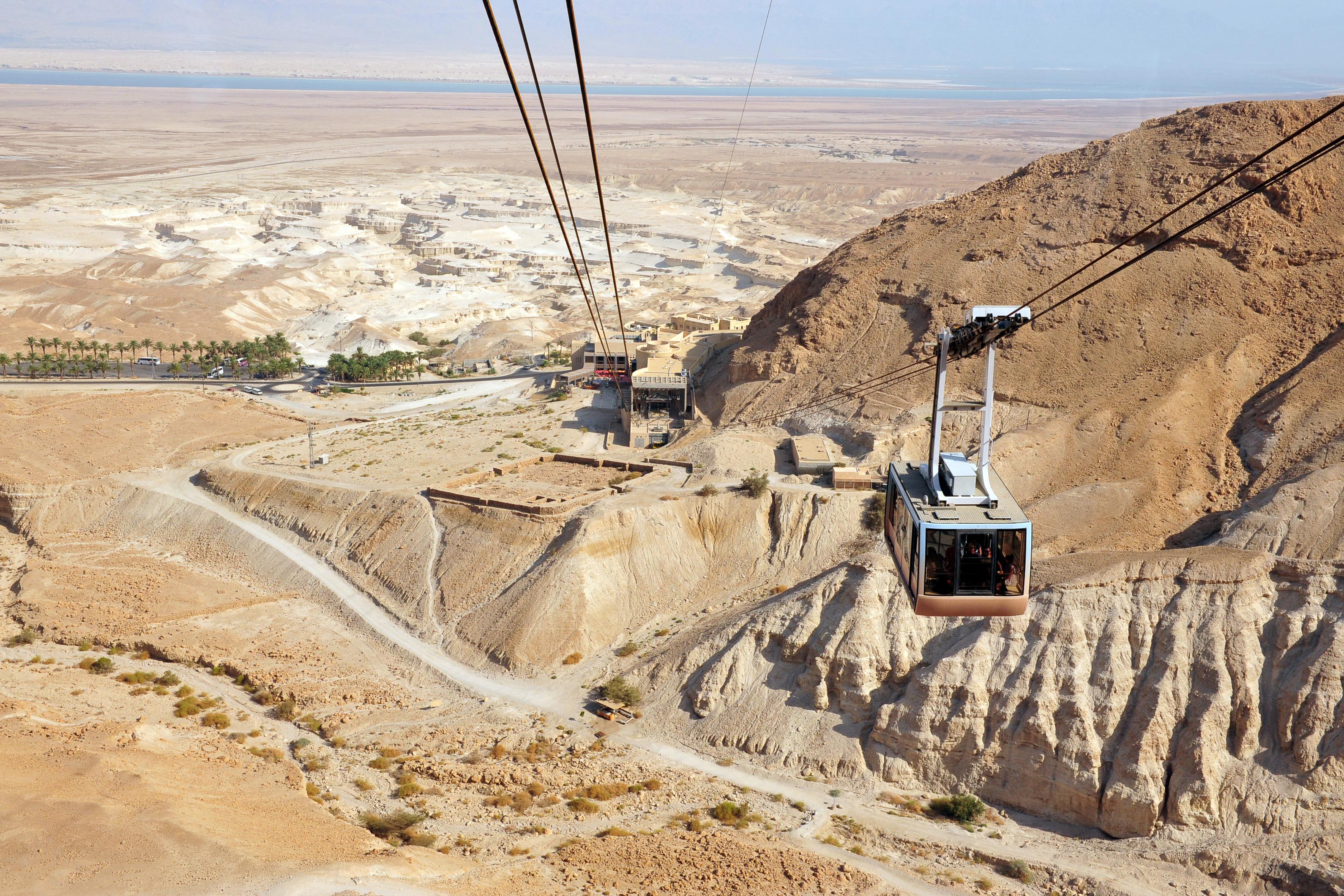
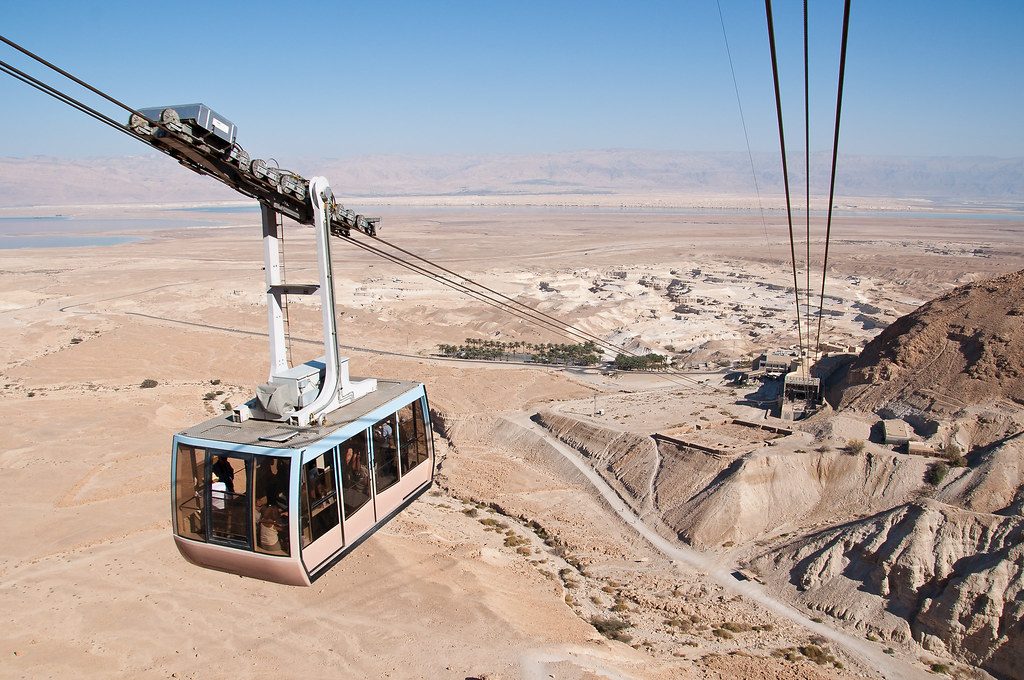
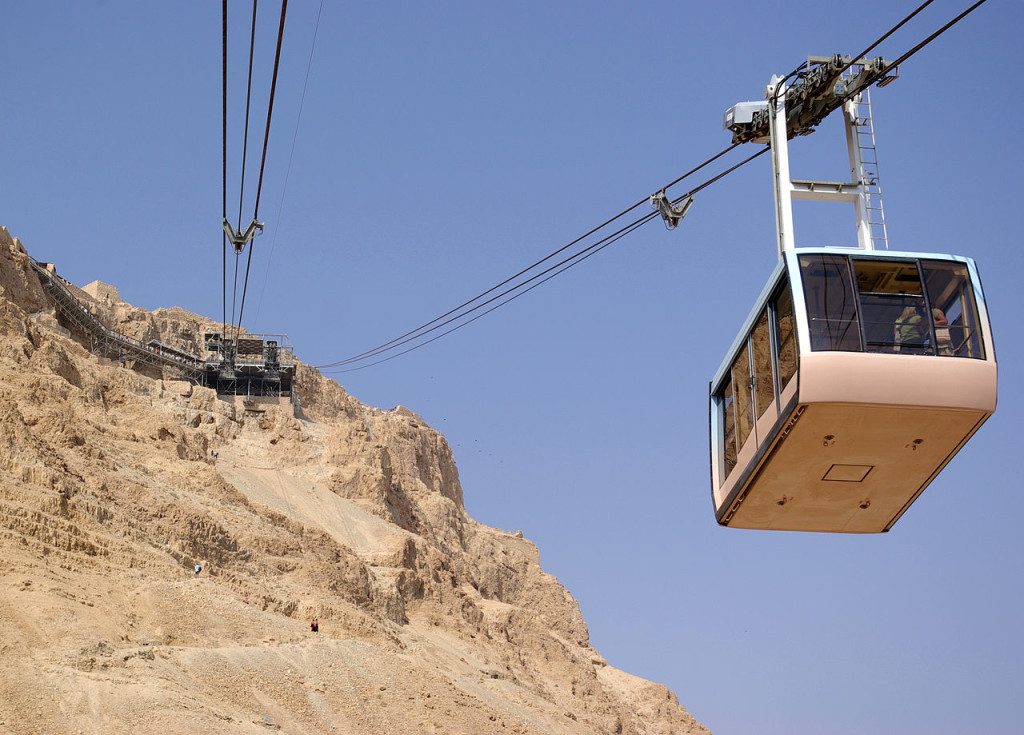
Cable car ride to the plateau
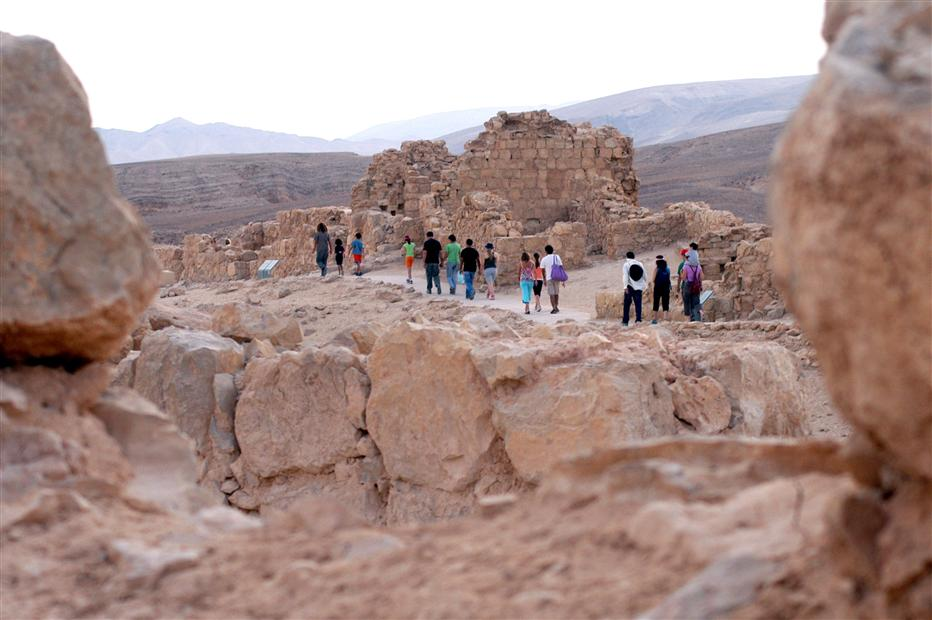
Touring the palaces and fortifications
Return by cable car or walking
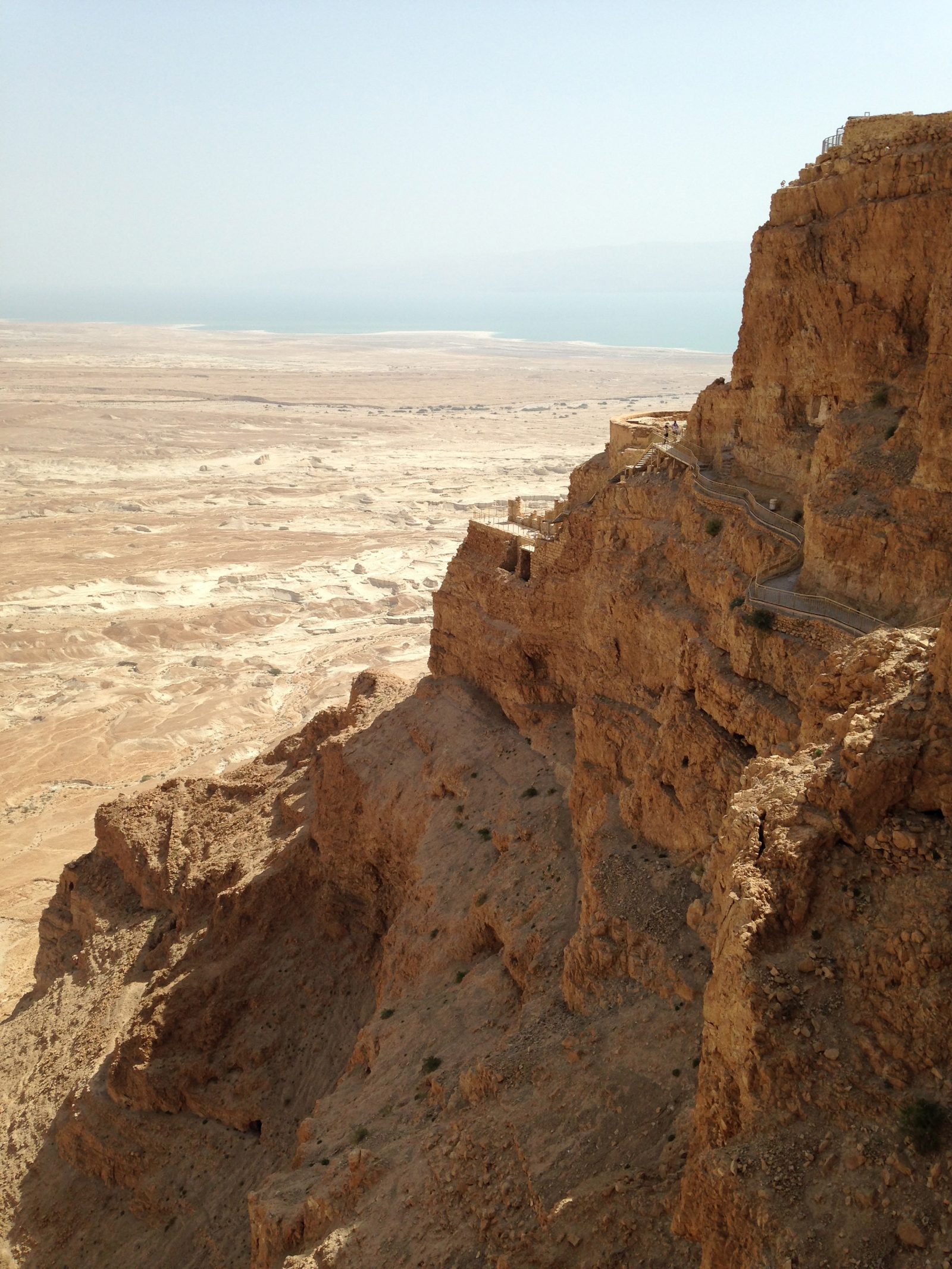
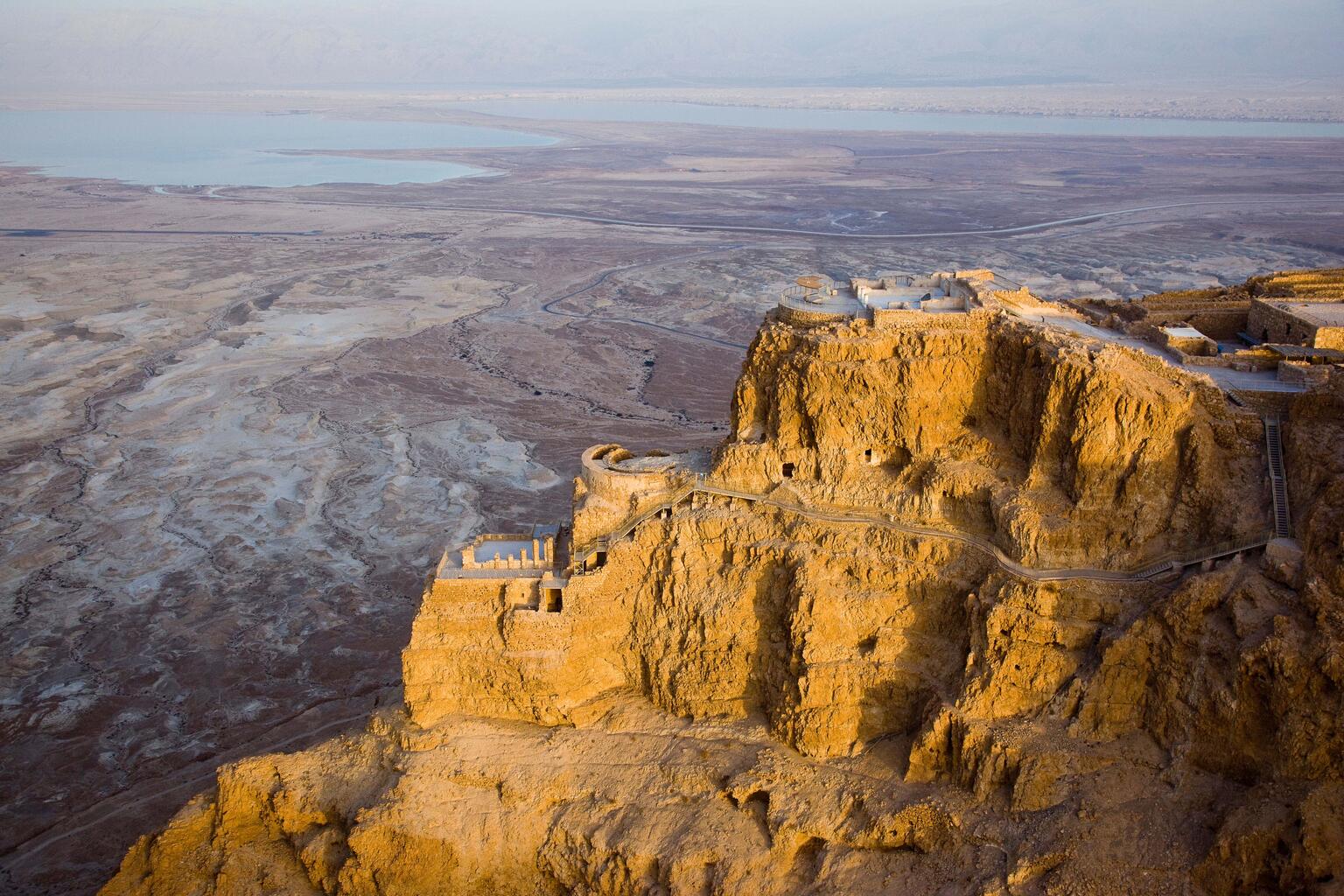
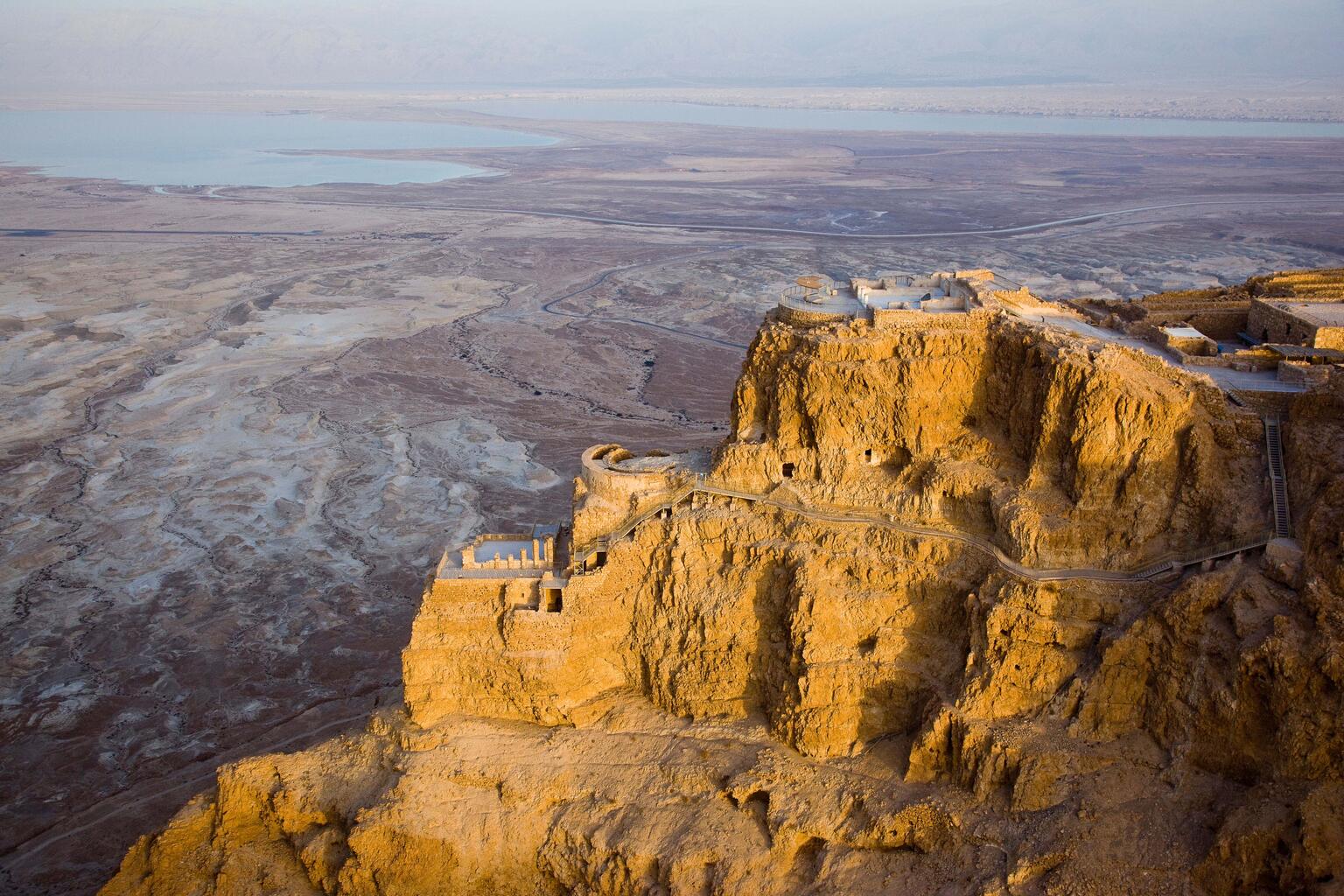
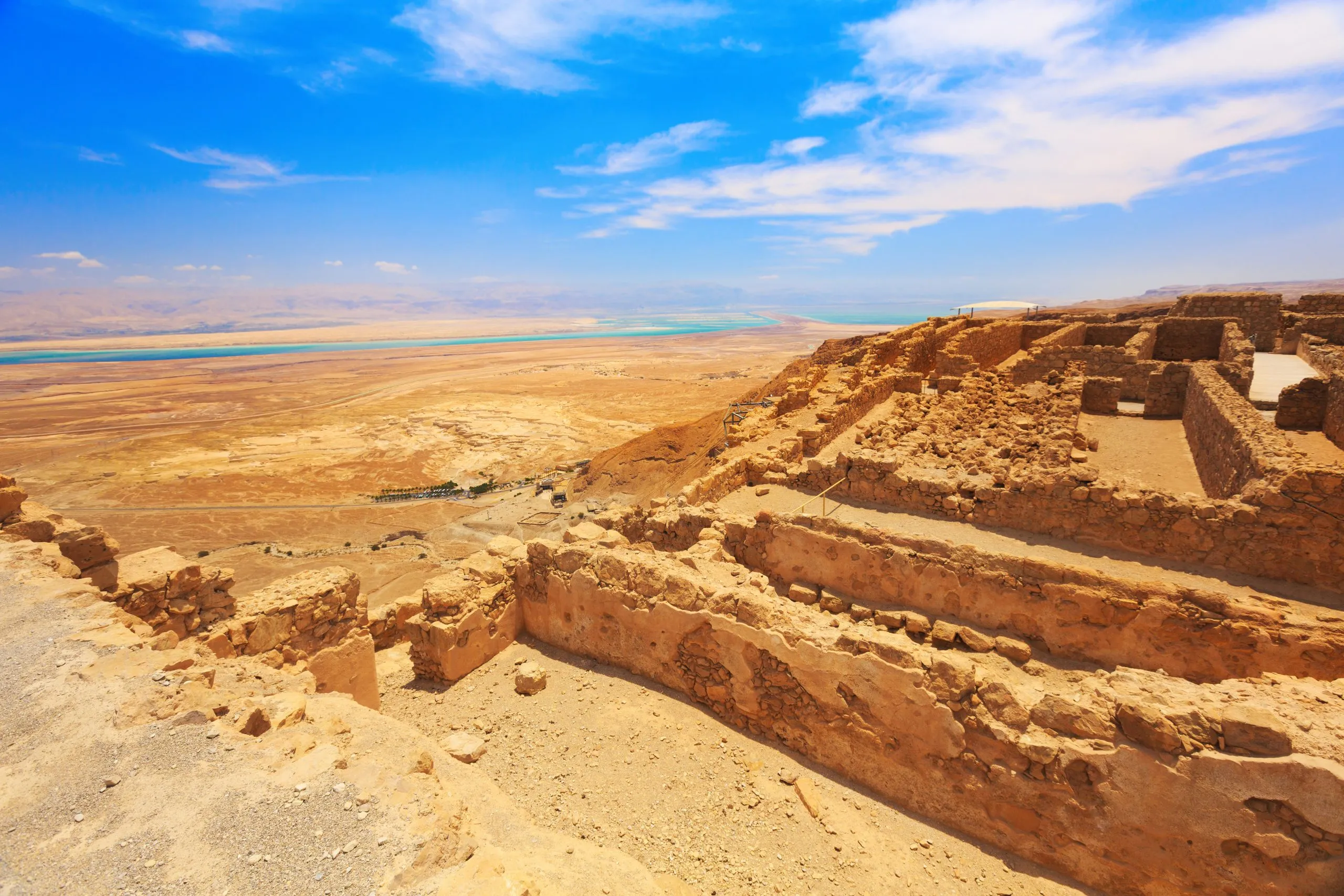
The three-tiered terrace palace offers views of the Dead Sea and reveals Herod's architectural ambition. This palace is a highlight of any masada tour from tel aviv tour.
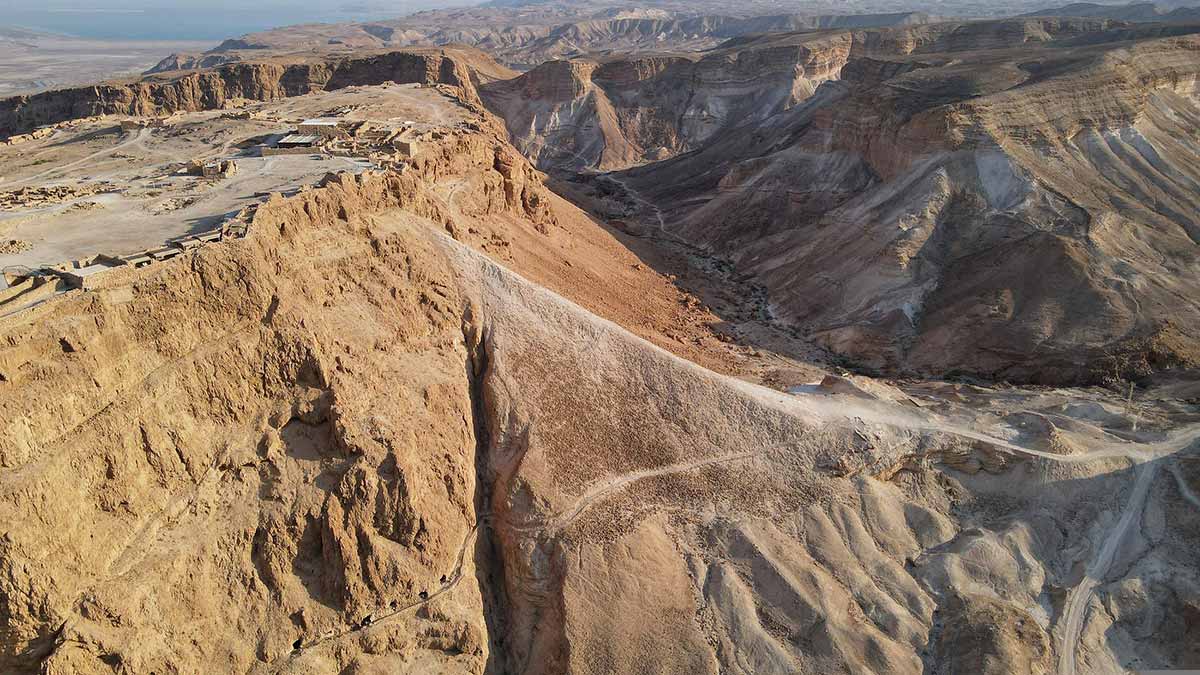
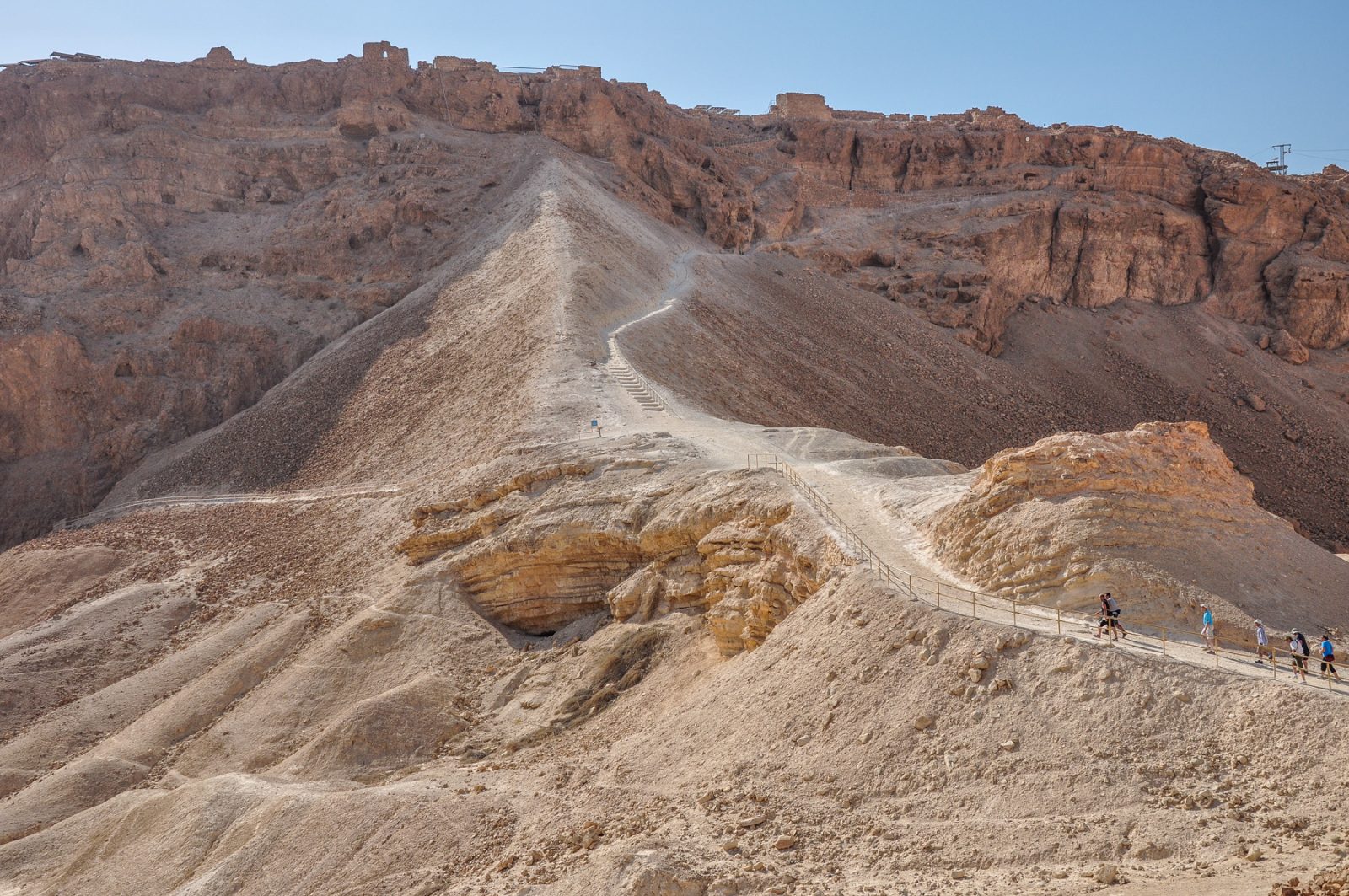
The massive dirt ramp was constructed by Roman forces to besiege the fortress in 73 CE. It remains a stark reminder of the Roman siege.
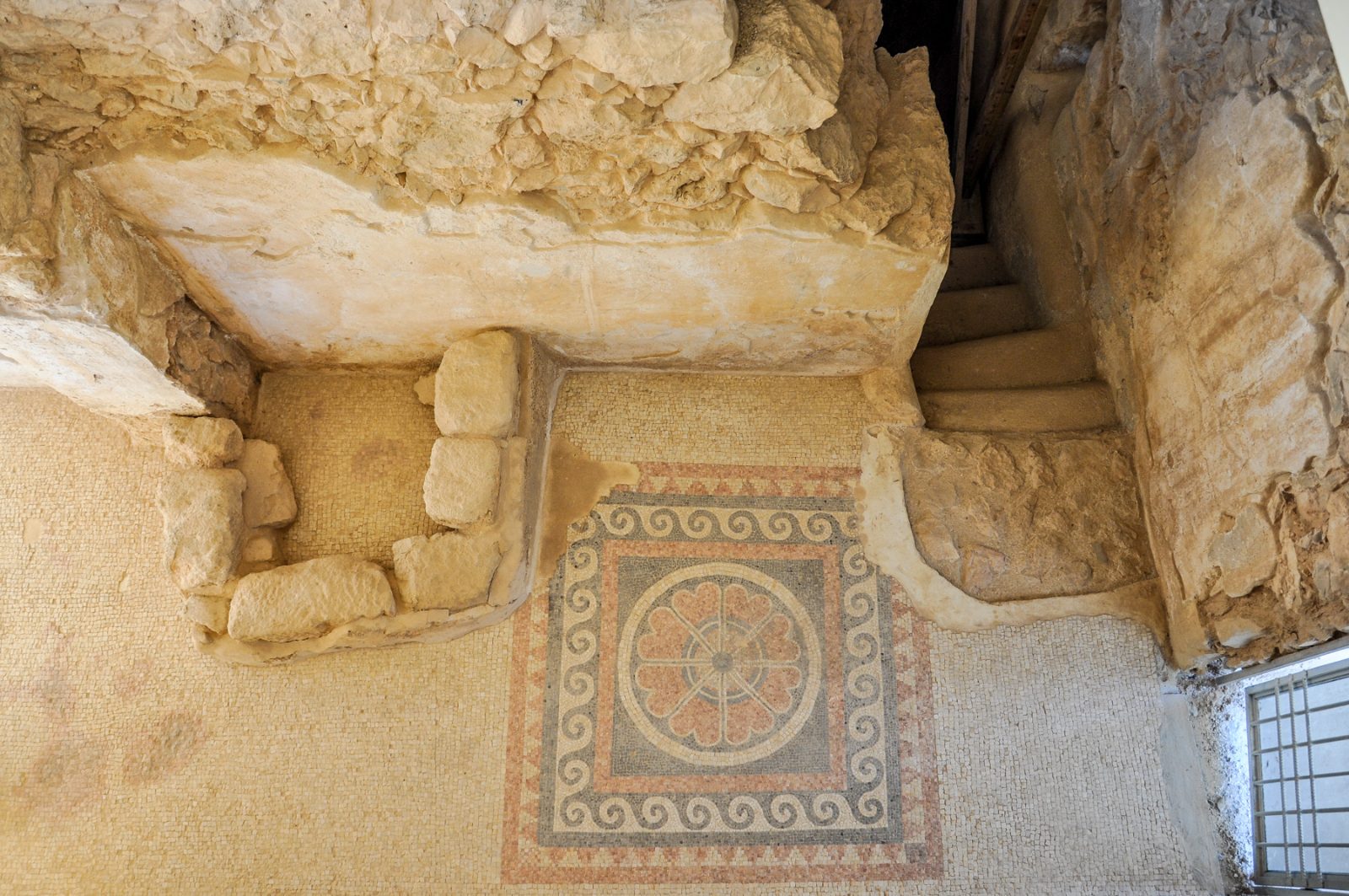
This sprawling 4,000-square-meter palace served as the administrative center and living quarters for Herod. It displays remnants of ancient mosaic floors.
This facility features a well-preserved hypocaust system used for heating rooms during Roman occupation. It demonstrates advanced ancient engineering.
Recognized as one of the oldest in the world, this room was adapted by Jewish rebels during the Great Revolt. It provides deep insight into the site's history.
You board your air-conditioned coach in Tel Aviv before sunrise, driving southeast through the Judean Desert as dawn breaks over hills that shift from charcoal to amber.
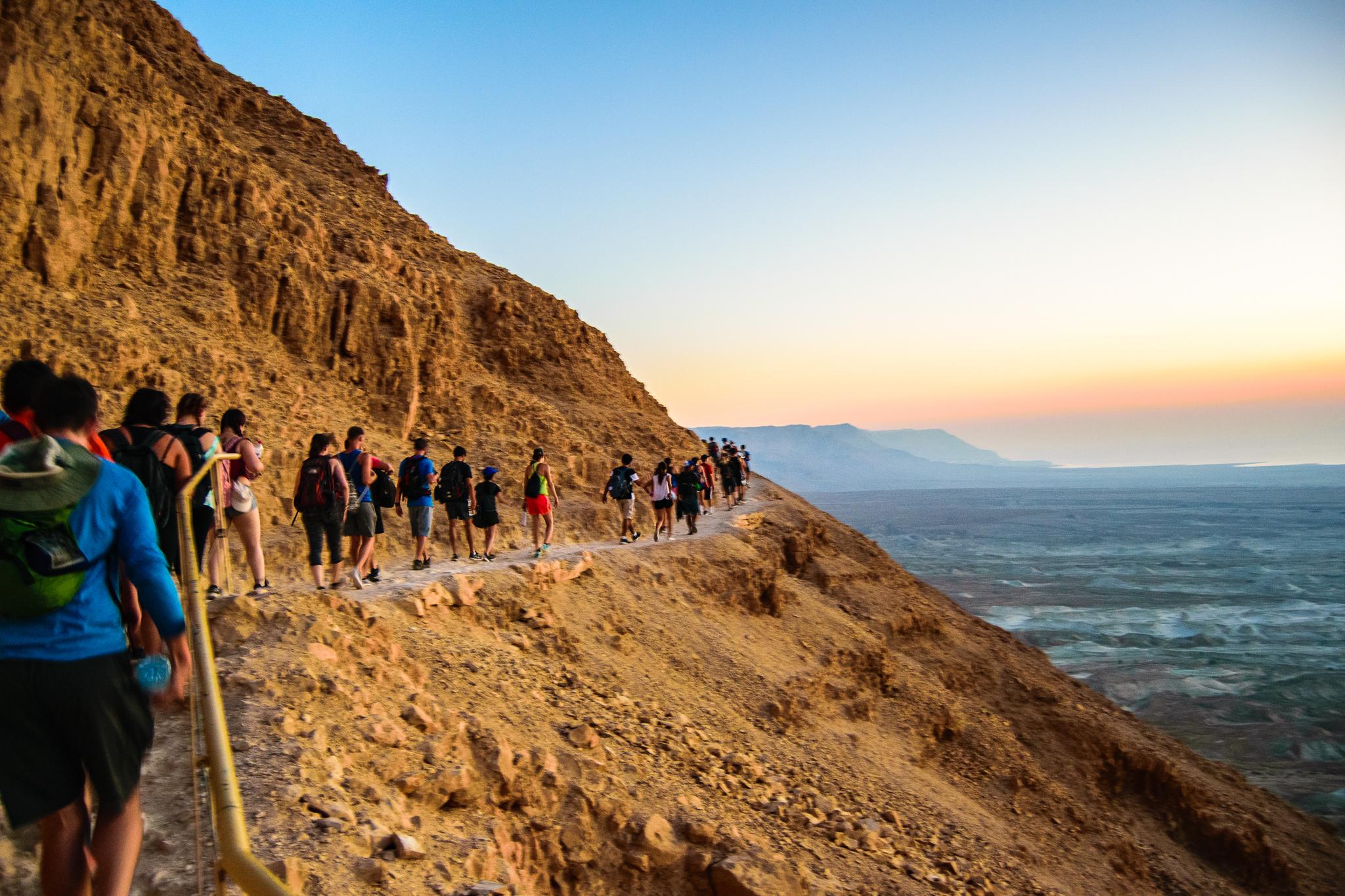
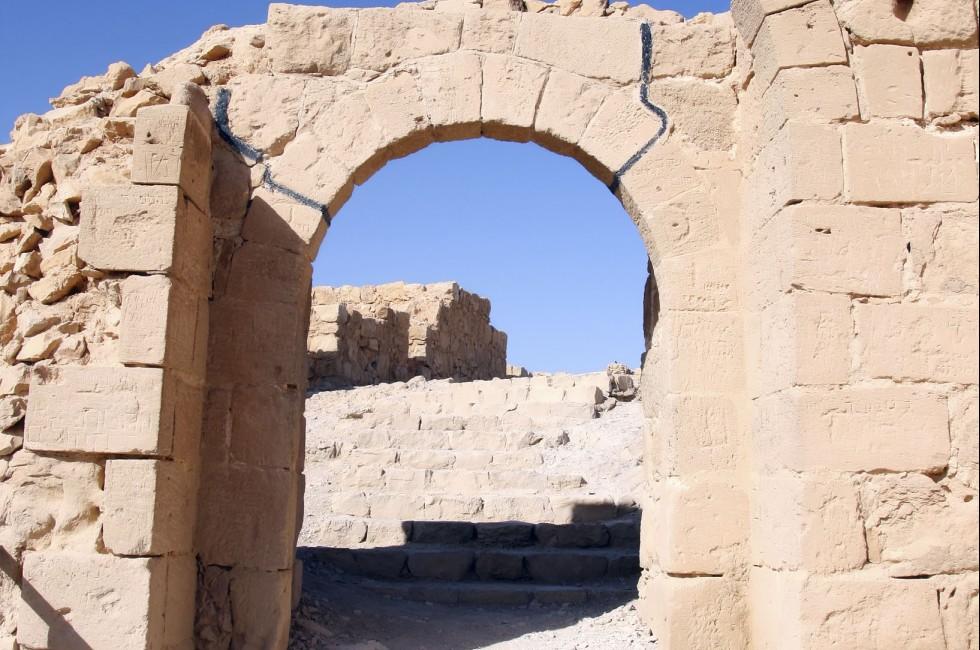
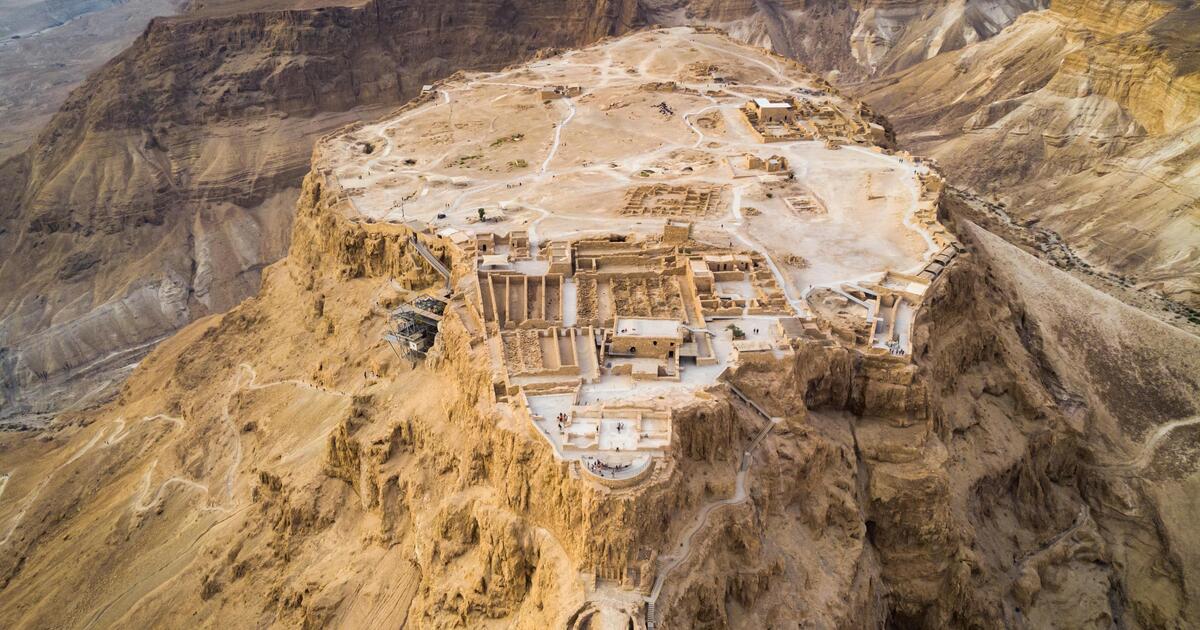
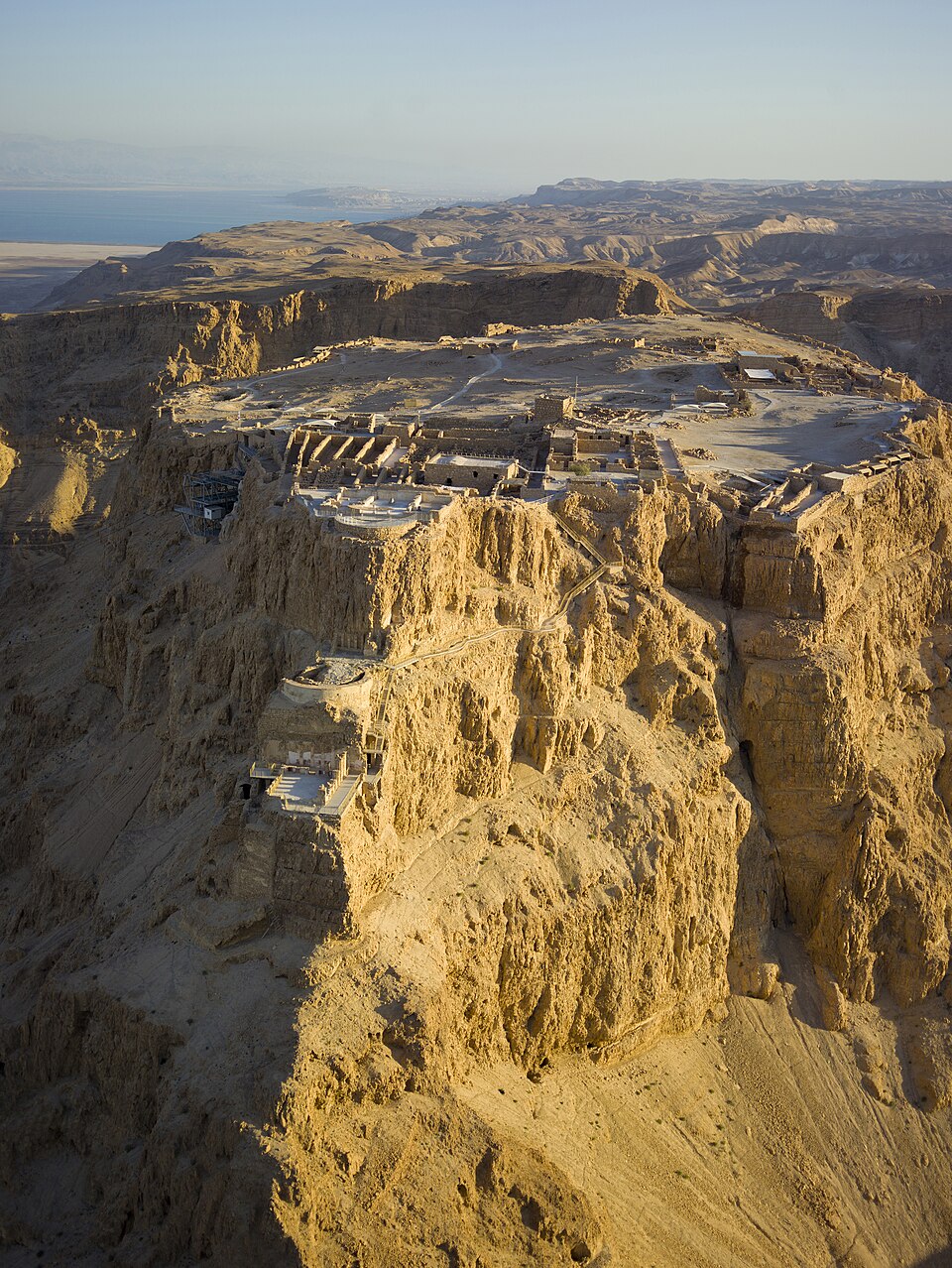
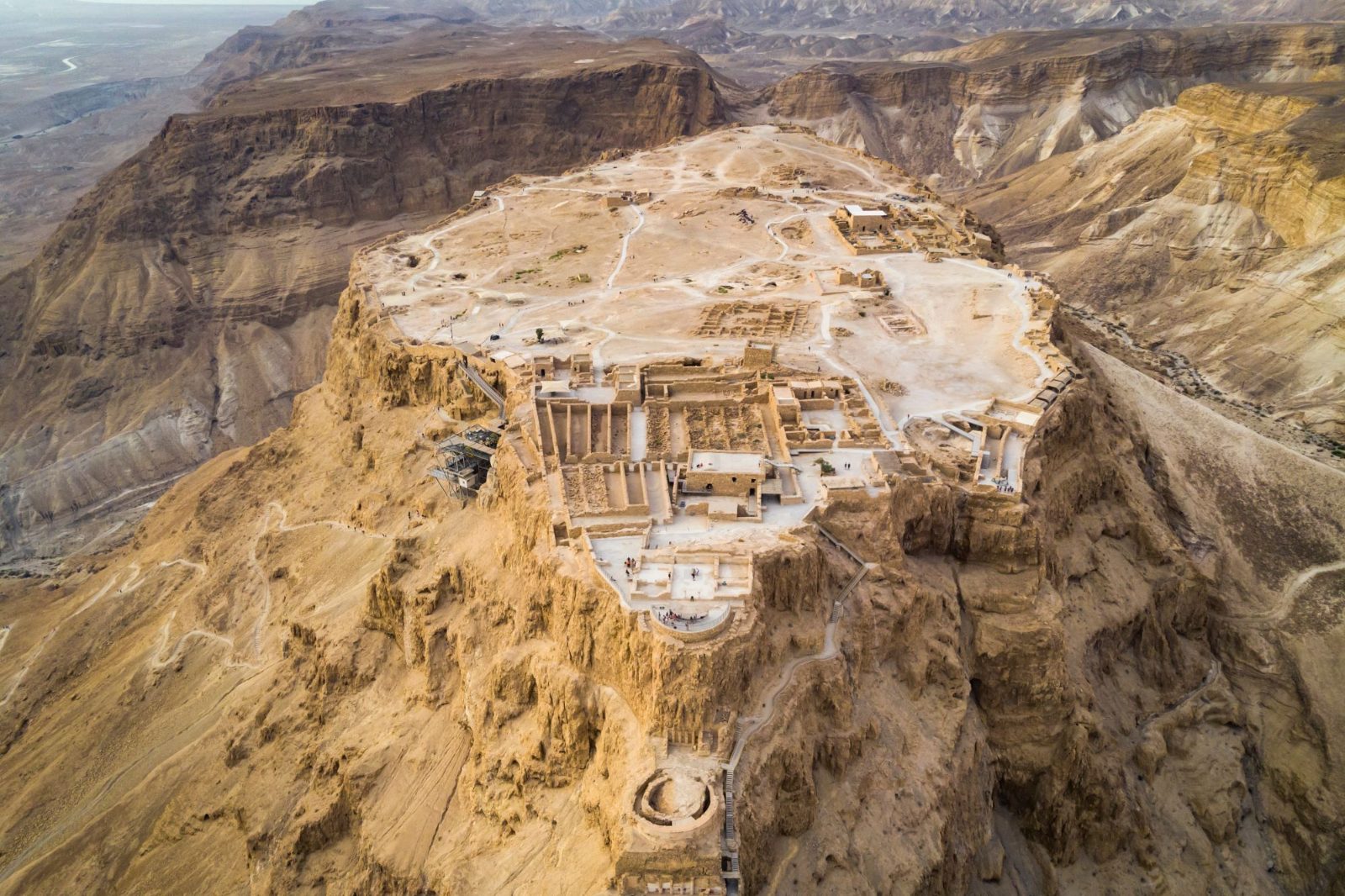
Two hours later, Masada's flat-topped silhouette appears against the pale morning sky, the Roman siege ramp visible as a geometric scar on the western cliff. You ascend via cable car—three minutes of vertical travel—or tackle the Snake Path's 900 stone steps if you reserved a sunrise departure. At the summit, you walk through Herod's northern palace, where frescoed walls once imitated Italian marble and three terraces cascaded down the cliff face. Your guide explains the Roman camps encircling the base, pointing out the eighth legion's headquarters and the circumvallation wall. You trace the Byzantine church's apse, then stand at the western palace's threshold, where black-and-white mosaics still define the throne room floor.
Descending, you continue to Ein Gedi's waterfalls, where ibex graze near pools fed by year-round springs, then reach the Dead Sea's northern shore. You wade into water ten times saltier than the ocean, your body floating effortlessly as the Jordanian mountains shimmer across the turquoise divide. By mid-afternoon, you're back on the coach, arriving in Tel Aviv as the sun drops toward the Mediterranean.
All the details about your upcoming adventure in one place
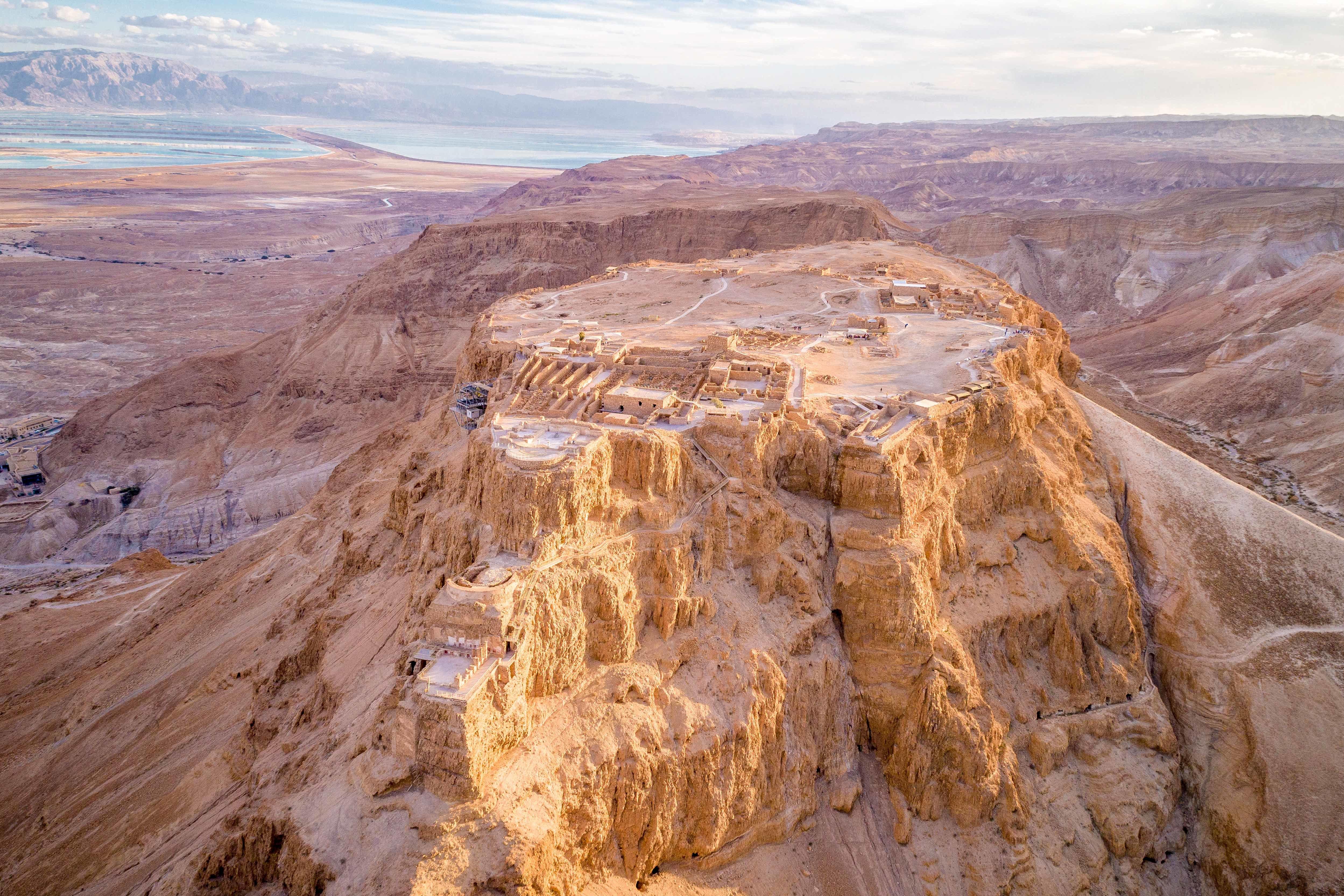
Herod the Great began construction of Masada's clifftop palace-fortress in 37 BCE, carving three terraced palaces, bathhouses with mosaic floors, and storerooms capable of sustaining a garrison for years into a 400-metre-high plateau overlooking the Dead Sea.
The site achieved immortality in 73 CE when 960 Jewish rebels, led by Eleazar ben Ya'ir, chose collective death over Roman enslavement after a three-year siege. Roman legions built eight encircling camps and a massive earthen ramp—still visible today—to breach the western wall. Archaeologist Yigael Yadin's 1963-65 excavations uncovered eleven ostraca bearing names, possibly the lots used by the defenders to determine the order of their final act. UNESCO inscribed Masada as a World Heritage Site in 2001, recognizing both its architectural grandeur and its symbol of Jewish resistance.
Visitors ascending via the Snake Path—900 steps carved into the eastern cliff—follow the route Roman soldiers climbed during the siege. The summit reveals Herod's northern palace, suspended across three natural rock terraces and once decorated with frescoes imitating marble. The western palace served administrative functions, featuring a throne room and residential quarters with intricate black-and-white geometric mosaics. Byzantine monks occupied Masada in the fifth century, building a church atop the ruins. The Roman siege ramp dominates the western approach, a testament to engineering deployed against a desert stronghold.
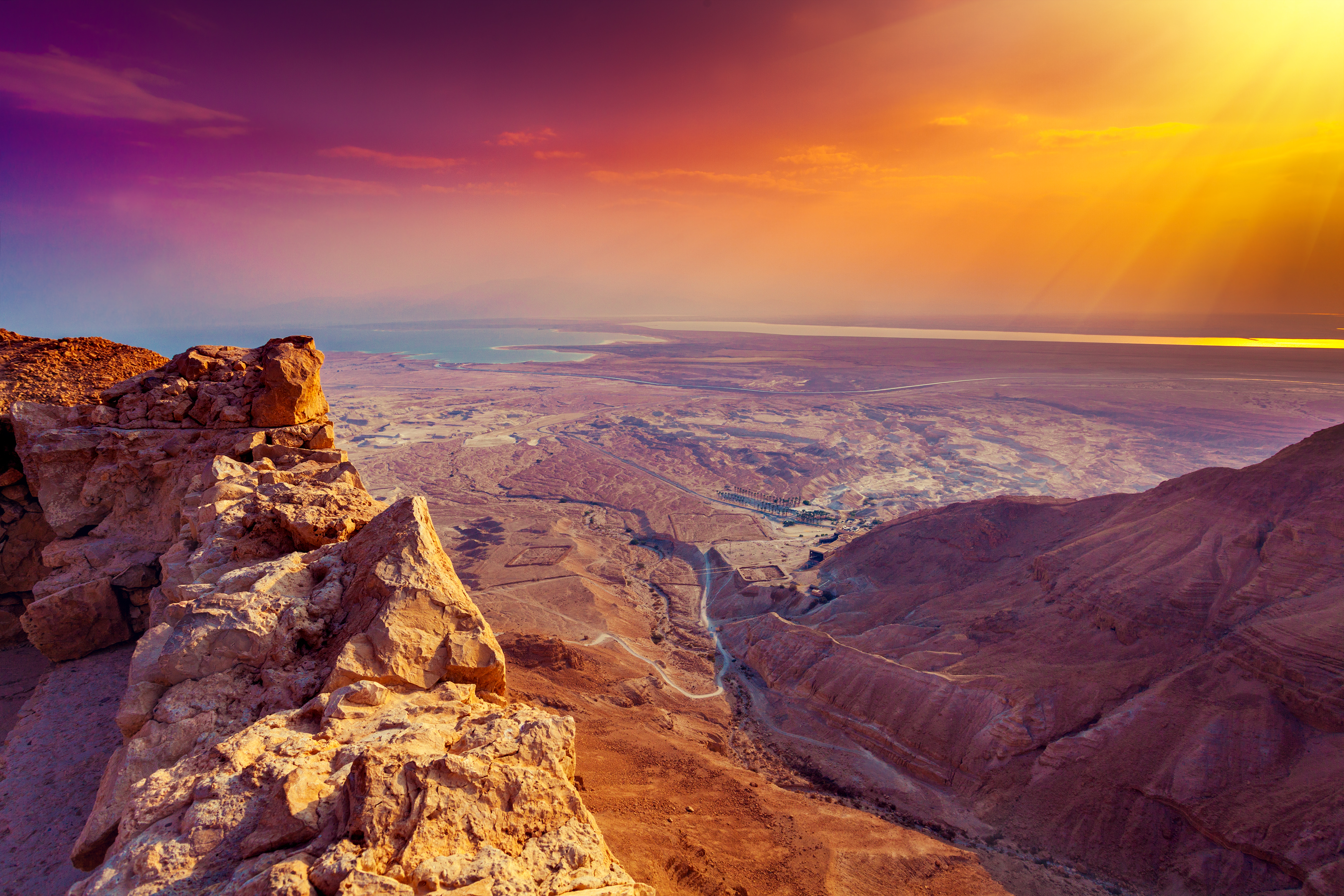
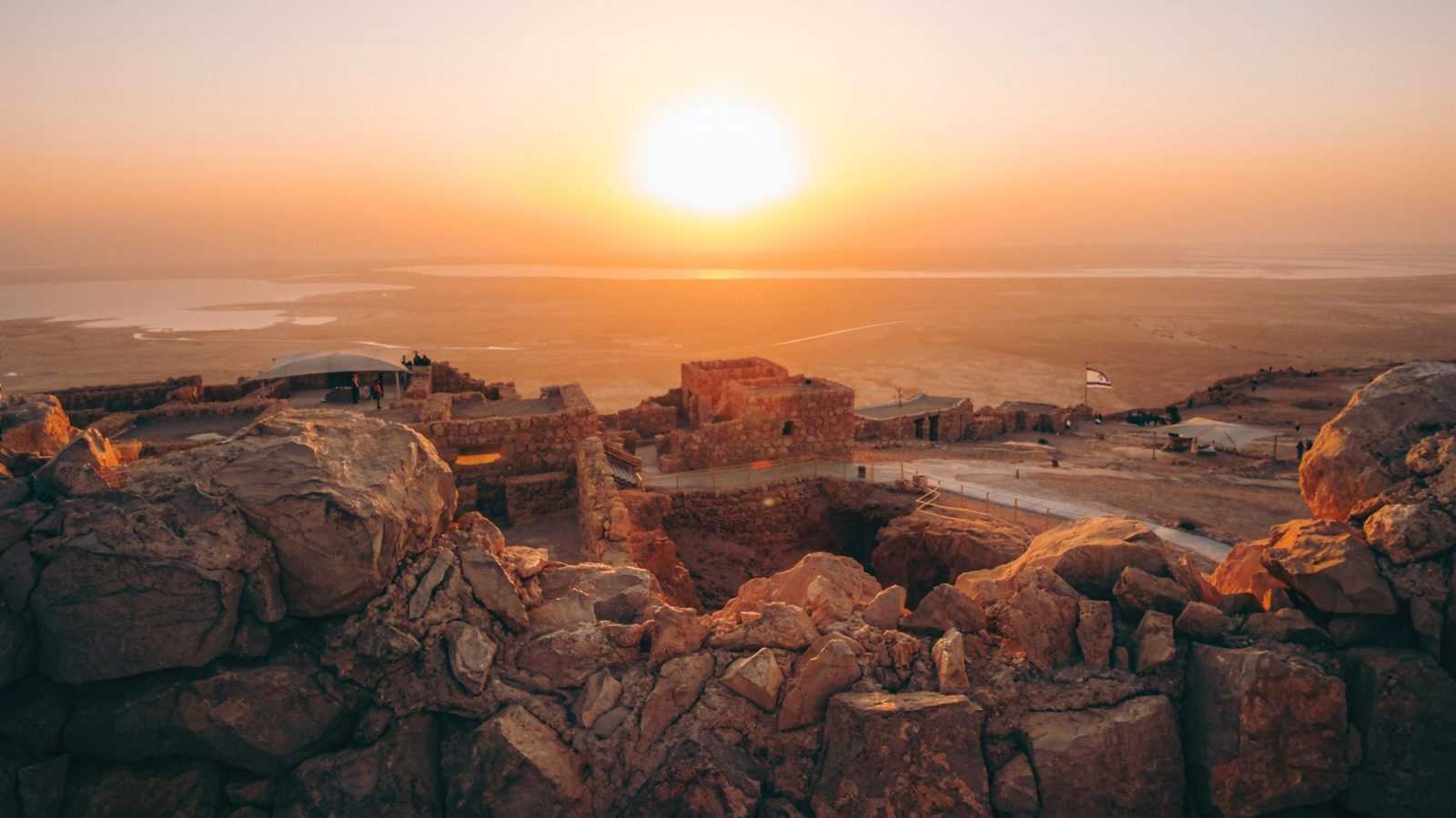
Masada tour from Tel Aviv options typically depart before dawn for sunrise arrivals, when horizontal light illuminates the Judean Desert's ochre ridges and the Dead Sea's turquoise expanse 400 metres below. Most guided excursions combine the fortress with Ein Gedi's freshwater springs and a buoyant float in the hypersaline Dead Sea, creating a geographical narrative arc from mountain to oasis to salt pan. The site opens at 08:00 daily, closing at 17:00 except Fridays at 16:00. A conservation fee of 37 ILS grants access; the cable car costs extra. Peak tour bus arrivals occur between 10:00 and 14:00, when midday heat exceeds 35°C in summer months. September through April offers temperate conditions and fewer crowds. The Snake Path ascent requires 40-60 minutes; the cable car completes the journey in three minutes. Contact the park at *3639 for current conditions.

Eleven ostraca bearing names—possibly the lots used by defenders to determine the order of their final act—were uncovered during Yadin's excavations.
Wear comfortable walking shoes suitable for rocky terrain during your masada tour from tel aviv. A hat and light, breathable clothing are essential due to the desert sun.
Visitors on a masada tour from tel aviv may be subject to security checks at the park entrance. Keep personal items secure as there are no storage lockers on the plateau.
Personal photography is permitted throughout Masada National Park. Drones are strictly prohibited to maintain the safety of the archaeological site.
Families joining a masada tour from tel aviv should note that the Snake Path is physically demanding for small children. The cable car provides a convenient alternative to reach the top.
The summit is accessible via cable car for those unable to climb the 900 steps. Wheelchair access on the plateau is limited due to uneven, ancient stone surfaces.
There are limited facilities at the summit, so bring plenty of water. A cafe is located at the base station of the Masada National Park site.
Opening Hours
08:00–17:00 (Fri 08:00–16:00)
Address
Masada National Park, Dead Sea, Israel
Step Count
900 steps via Snake Path
Best Arrival
08:00–10:00
Storage
Not available at the summit
Car · 2h 30min · Parking fees apply at the base.
Drive via Route 90 along the Dead Sea.
Public transport · 3h · Check local schedules for connections.
Bus lines from Tel Aviv to Ein Gedi area.
Cancellation terms for a masada tour from tel aviv depend on your specific operator's booking window. Refunds are generally processed according to the operator's terms excluding the 37 ILS conservation fee if non-refundable.
Recommended time
3-4 hours
Planning a masada tour from tel aviv requires balancing travel time with the desert climate. Most visitors allocate three to four hours to explore the UNESCO heritage site, providing enough time to navigate the ancient fortress ruins and enjoy the panoramic Dead Sea views. We suggest utilizing the best arrival window of 08:00–10:00 to avoid mid-day desert heat and peak tour bus crowds. Whether you booked masada tour from tel aviv tickets for independent exploration or a guided experience, arriving early ensures you bypass the longest queues for the cable car or the 900 step count path. Additional masada tour from tel aviv tours may vary in duration, so check your specific booking details for precise transit times.
Crowd levels through the day
Weather · crowds · average price — dots go green to amber to red as each metric rises.
March to May offer mild temperatures for outdoor exploration.
September to November provides cooler, clear days for a masada tour from tel aviv.
December to February is pleasant, though expect occasional rain.
June to August is extremely hot; early morning visits are required.
Arrive between 08:00–10:00 to beat heat.
Carry at least 3 liters of water per person.
Use sturdy hiking shoes for uneven stones.
Wear a wide-brimmed hat to avoid direct sun.
Use it to save energy for the historical tour.
King Herod the Great transformed a desolate mesa into a fortified palace complex between 37 and 31 BCE, driven by paranoia and ambition in equal measure. The Jewish client king engineered bathhouses, storerooms capable of feeding a garrison for years, and a three-tiered palace clinging to the northern cliff face—Roman luxury transplanted into desert rock. Herod never used Masada as a refuge; he died in Jericho in 4 BCE, and the fortress passed quietly into Roman administrative control. The siege of 73 CE rewrote Masada's identity. When Jewish rebels fled Jerusalem's destruction in 70 CE, a splinter group of Sicarii zealots seized the plateau and held it for three years. Roman governor Flavius Silva encircled the site with eight camps and a circumvallation wall, then constructed a massive earthen ramp on the western approach. Josephus Flavius, the sole source for these events, recorded that 960 defenders chose mass suicide over capture—a claim archaeology neither confirms nor refutes. The Romans breached the walls, found silence, and garrisoned the site until the fifth century. Rediscovery came in fits. American explorer Edward Robinson identified the ruins in 1838, but systematic excavation waited until Yigael Yadin led expeditions between 1963 and 1965. Yadin's team unearthed Herod's frescoes, ritual baths, scrolls, and the skeletal remains that shaped modern Israeli memory. UNESCO inscribed Masada as a World Heritage Site in 2001, citing both its engineering and its symbolic weight. Today's masada tour from tel aviv connects visitors to stratified history—Herodian opulence beneath Zealot desperation beneath Byzantine monastic cells. The Snake Path, with its 900 steps, follows the route rebel families once climbed. The cable car, installed in 1971, offers a faster ascent but erases the pilgrimage's vertical earned knowledge.
Herod the Great constructs fortified palace complex with tiered northern residence and vast storerooms
Sicarii rebels seize Masada after fleeing the fall of Jerusalem
Roman Tenth Legion completes siege ramp and breaches defenses; defenders perish
Byzantine monks establish monastic settlement atop the ruins
American explorer Edward Robinson identifies the site during Middle East survey
Yigael Yadin leads excavations uncovering Herodian palaces, scrolls, and human remains
Cable car installation provides mechanized access to summit
UNESCO designates Masada a World Heritage Site for cultural and archaeological significance
Stand at the top of the siege ramp to capture the scale of the Roman encampments below, providing a clear perspective of the archaeological ruins against the desert floor. This vantage point offers a geometric composition of the Judean wilderness.
Position yourself on the upper terrace to frame the three-tiered structure overlooking the Dead Sea, which is a common highlight for those on a masada tour from tel aviv. Use a wide-angle lens to include the limestone cliffs in your frame.
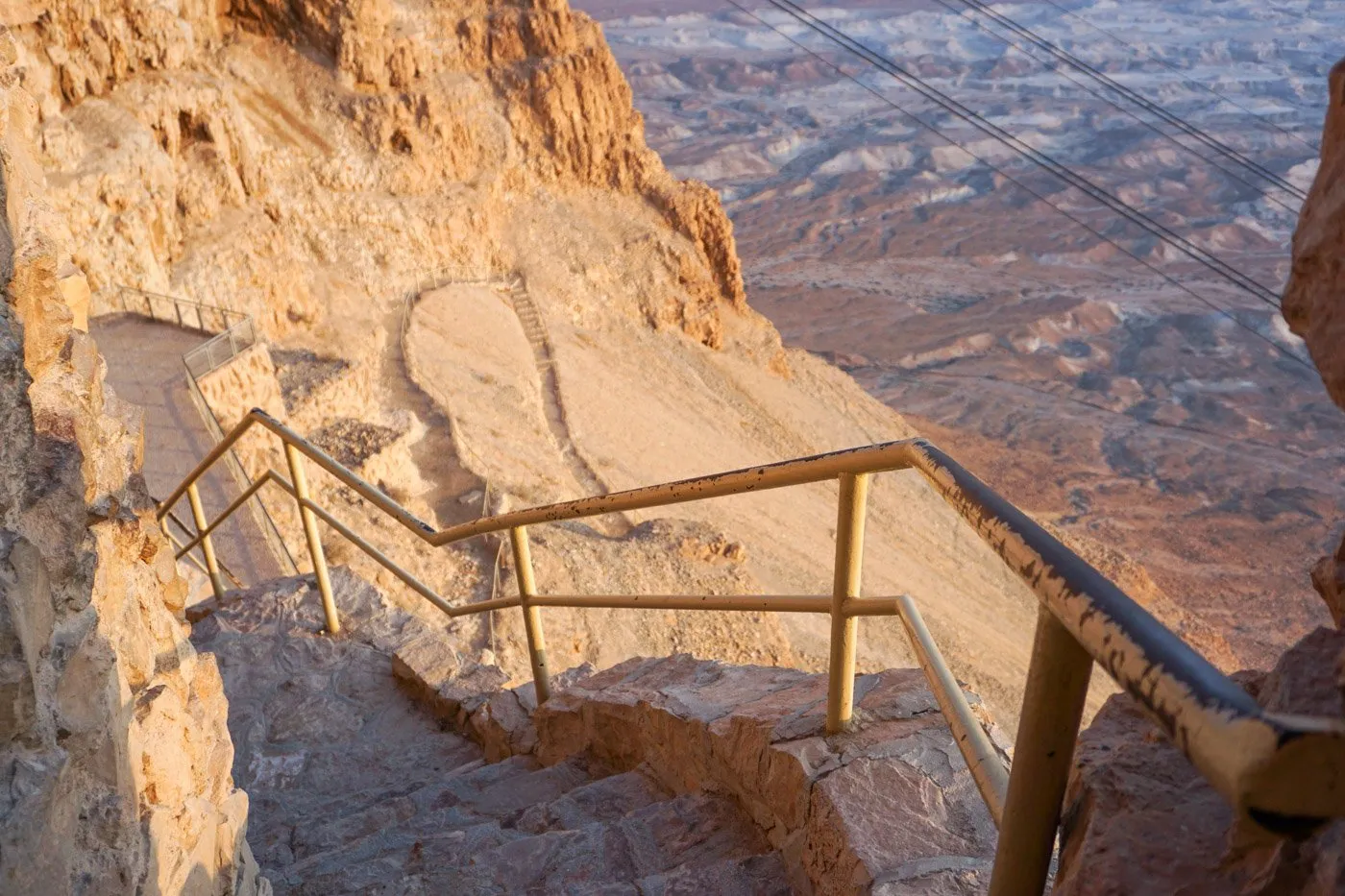
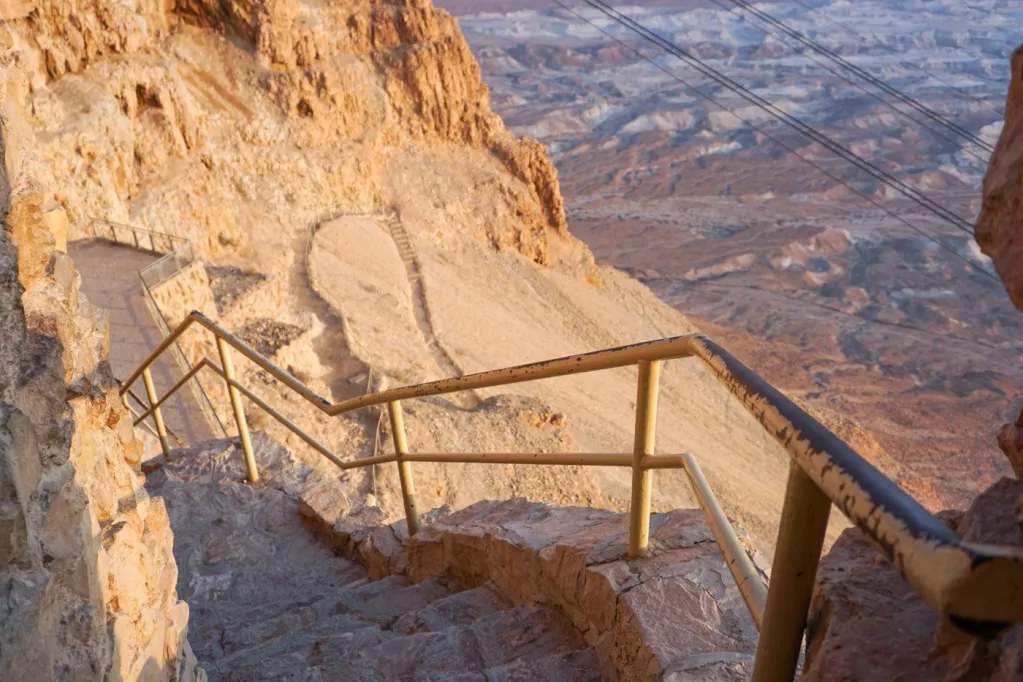
Locate the final stretch of the trail where the path curves toward the fortification walls, offering a dramatic contrast between the winding track and the fortress masonry. This spot is popular for documenting the elevation gain of the UNESCO heritage site.
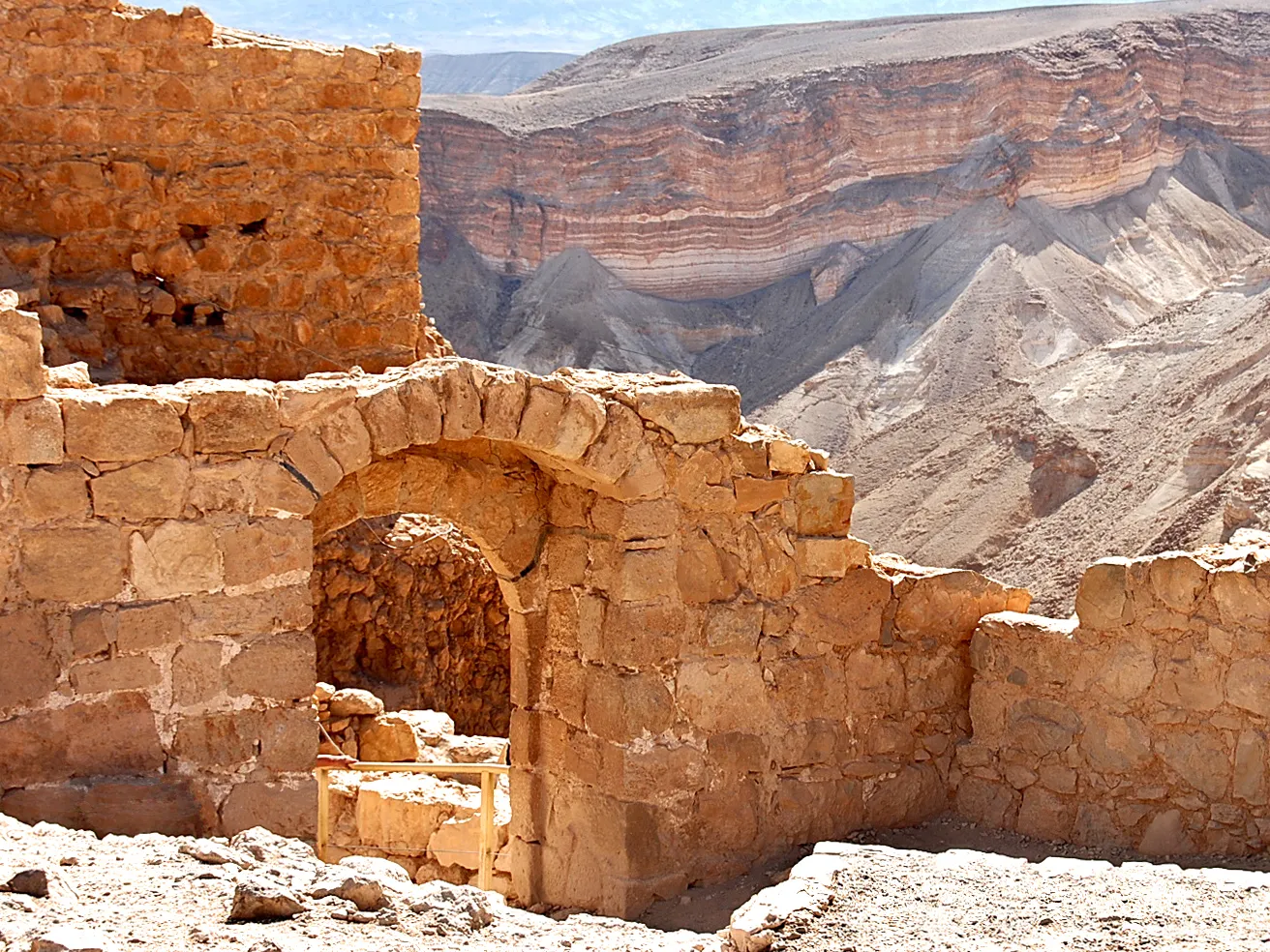
Focus on the intricate floor mosaics and reconstructed pillars that showcase Herodian craftsmanship within the main living quarters. This area provides depth and historical context for photographers interested in ancient interior design.
Visiting this historic mountain fortress is a manageable journey for families when planned around the desert climate. Whether you choose a guided masada tour from tel aviv or a self-guided adventure, the site offers accessible facilities to ensure everyone can explore the plateau comfortably.
The eastern entrance features elevators and a cable car suitable for strollers and wheelchairs, providing step-free access to the plateau. Once at the top, concrete paths and shaded rest areas make it easier to navigate the archaeological remains with young children.
To avoid the intense midday heat and peak tour bus crowds, follow the best arrival window of 08:00–10:00. This ensures a smoother experience for kids and allows for a more relaxed exploration of the site.
The visitor center at the base offers full restrooms, a shop, and food options, though you should pack snacks for the summit as there are no food outlets on the plateau. While the museum and lower level are modern, consider bringing a carrier for babies if you plan to explore the rougher historic paths away from the main concrete tracks.
Even in autumn, the sun is strong; bring hats, sunglasses, and plenty of water for every family member. Sturdy, closed-toe walking shoes are necessary for navigating the rocky terrain of the ancient palaces and fortifications safely.
Visitors planning a masada tour from tel aviv will find limited dining options directly at the base, making it important to prepare accordingly for your desert excursion. While a few commercial spots exist near the visitor center, many travelers bringing masada tour from tel aviv tickets choose to carry snacks to sustain energy during the steep ascent.
Located at the visitor center, this spot offers light dairy meals, sandwiches, and cold drinks. It is convenient for those completing their masada tour from tel aviv tour before heading to the Dead Sea area.
A popular Israeli chain serving high-quality coffee, salads, and toasted sandwiches. It provides a reliable stop for a quick lunch after navigating the desert heat or completing the 900 steps.
Everything you need to know for your journey
Masada National Park is open daily from 08:00–17:00, with Friday closing at 16:00.
The 37 ILS conservation fee is the basic entry cost; verify if your tour includes this in the price.
The cable car takes only minutes, while hiking the 900 steps takes significantly longer.
Yes, many providers offer a comprehensive masada tour from tel aviv with professional guides.
Yes, the Snake Path features 900 steps for those wishing to hike during their masada tour from tel aviv.
Visit between 08:00–10:00 to avoid mid-day heat and large crowds.
Yes, the park is open Saturdays from 08:00–17:00.
Check with your provider, as terms vary for every masada tour from tel aviv booking.
No, there is only a cafe at the base station of the site.
Oasis with hiking trails and waterfalls.
Lowest point on Earth famous for salt water.
Site where Dead Sea Scrolls were found.
Resort area with Dead Sea access.
Quiet desert town options.
Located at the foot of the mountain.
Join thousands of happy travelers who have discovered this incredible experience
Book Your Experience Now