

Quick answer
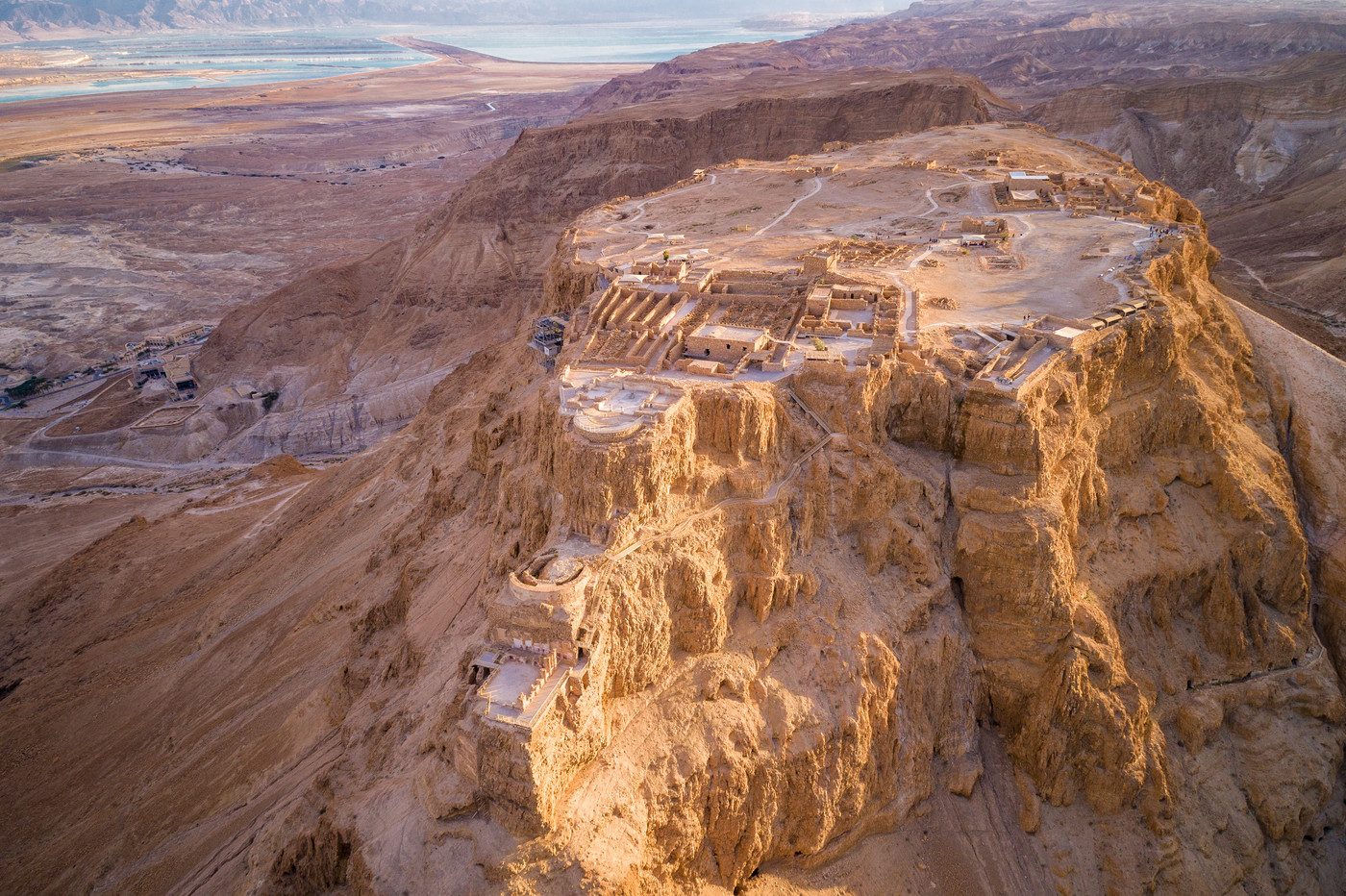
Masada is famous for the dramatic siege of 73-74 CE, when Jewish rebels held out against the Roman Tenth Legion for months before choosing mass suicide over enslavement. The site also preserves Herod the Great's elaborate palace complex built between 37-31 BCE, complete with bath houses, storerooms, and mosaic floors. UNESCO designated Masada a World Heritage Site in 2001 for its archaeological integrity and symbolic significance in Jewish history.
The Roman siege ramp on Masada's western face remains the only intact example of ancient siege engineering visible anywhere in the world. Roman forces built the earthwork assault ramp over months, hauling thousands of tons of stone and timber while encircling the plateau with eight fortified camps. The archaeological evidence matches the detailed account written by Josephus Flavius, who documented 960 inhabitants choosing death over Roman captivity. Herod the Great constructed the fortress complex as a desert refuge between 37-31 BCE, transforming the barren mesa into a self-sustaining stronghold. Engineers carved massive cisterns into the rock to capture winter flash floods, storing enough water for years. The Northern Palace cascades down three terraces carved into the cliff face, featuring frescoed walls and intricate mosaics that survived two millennia of desert conditions. Storerooms held grain, oil, and wine sufficient for a prolonged siege, all protected by casemate walls and watchtowers commanding views across the Judean wilderness. The fortress became a UNESCO World Heritage Site for its dual significance—both as an engineering achievement and as a national symbol. Israeli Defense Forces hold swearing-in ceremonies on the summit, invoking the phrase "Masada shall not fall again." Archaeologist Yigael Yadin's 1963-1965 excavations uncovered eleven ostraca bearing names, possibly lots drawn by the final defenders, along with prayer shawls, pottery, and ritual baths that document daily life during the siege. The site's preservation stems from its remote location and the dry Dead Sea climate, which arrested decay that would have destroyed similar structures elsewhere. Visitors reach the plateau via cable car or the Snake Path, a steep trail ascending the eastern cliff. The summit covers 23 acres, encompassing palace ruins, Byzantine church remains, and reconstruction markers that distinguish original stonework from modern conservation. Park rangers conduct the narrative from the siege camps below to the storage complexes above, contextualizing what is masada famous for within both architectural and human terms. The desert heat and exposed terrain demand early arrival, but the fortress layout remains legible, with intact walls delineating living quarters, administrative buildings, and the western palace that served as Herod's ceremonial residence.
“The Roman siege ramp on Masada's western face remains the only intact example of ancient siege engineering visible anywhere in the world.”
Historical Significance: What Is Masada Famous For?
What is Masada famous for begins with Herod the Great, who transformed this isolated plateau between 37 and 31 BCE into a fortified palace complex. The Judean king constructed three tiers of palatial buildings clinging to the northern cliff face, complete with frescoed walls, mosaic floors, and a Roman-style bathhouse supplied by an ingenious system of cisterns that captured winter flash floods. Herod built Masada as both a refuge from potential Jewish uprisings and a stronghold against Cleopatra's territorial ambitions, though he never used it for either purpose during his lifetime. The fortress gained its enduring significance during the First Jewish-Roman War. In 66 CE, a group of Jewish rebels known as the Sicarii seized Masada from its Roman garrison and held it as their final stronghold after Jerusalem fell in 70 CE. The Roman governor Flavius Silva arrived in 73 CE with the Tenth Legion, approximately 8,000 troops and thousands of Jewish prisoners of war who were forced to construct a massive siege ramp on the western approach. The engineering feat took months and required hauling thousands of tons of earth and stone up the mountainside. According to the Jewish-Roman historian Flavius Josephus, when the Romans breached the walls in 73 or 74 CE, they discovered that 960 Jewish defenders had chosen collective suicide rather than slavery. Modern archaeologists have debated the historical accuracy of Josephus's account, but excavations in the 1960s by Yigael Yadin uncovered pottery shards inscribed with names, skeletal remains, and burned structures that corroborate elements of the siege narrative. Visitors today walk among the preserved ruins of Herod's northern palace, the synagogue where rebels gathered, the bathhouse with its hypocaust heating system still visible beneath the floors, and the Byzantine church built by monks who briefly occupied the site in the fifth and sixth centuries. The western siege ramp remains the primary approach for those who choose not to take the cable car, a physical remnant of the Roman military campaign that sealed Masada's place in historical memory.
Herod the Great constructs the fortified palace complex with three-tiered northern palace, bathhouse, storerooms, and water cisterns
Jewish rebels seize Masada from Roman garrison at the outbreak of the First Jewish-Roman War
After the fall of Jerusalem, the Sicarii establish Masada as their final stronghold with families and provisions
Roman governor Flavius Silva arrives with the Tenth Legion and initiates siege operations, forcing prisoners to build assault ramp
Romans breach the fortress walls; according to Josephus, 960 defenders choose collective suicide rather than surrender
Byzantine monks establish a small monastery on the plateau, constructing a church over earlier structures
American scholar Edward Robinson and missionary Eli Smith identify the ruins as ancient Masada
Yigael Yadin leads large-scale archaeological excavation, uncovering palace remains, pottery, skeletal evidence, and siege works
Architectural Landmarks: What Is Masada Famous For Viewing?
The archaeological remains at Masada reveal the sophisticated engineering and strategic design utilized by Herod the Great and the Roman military. These structures provide tangible evidence of the site's complex structural history.
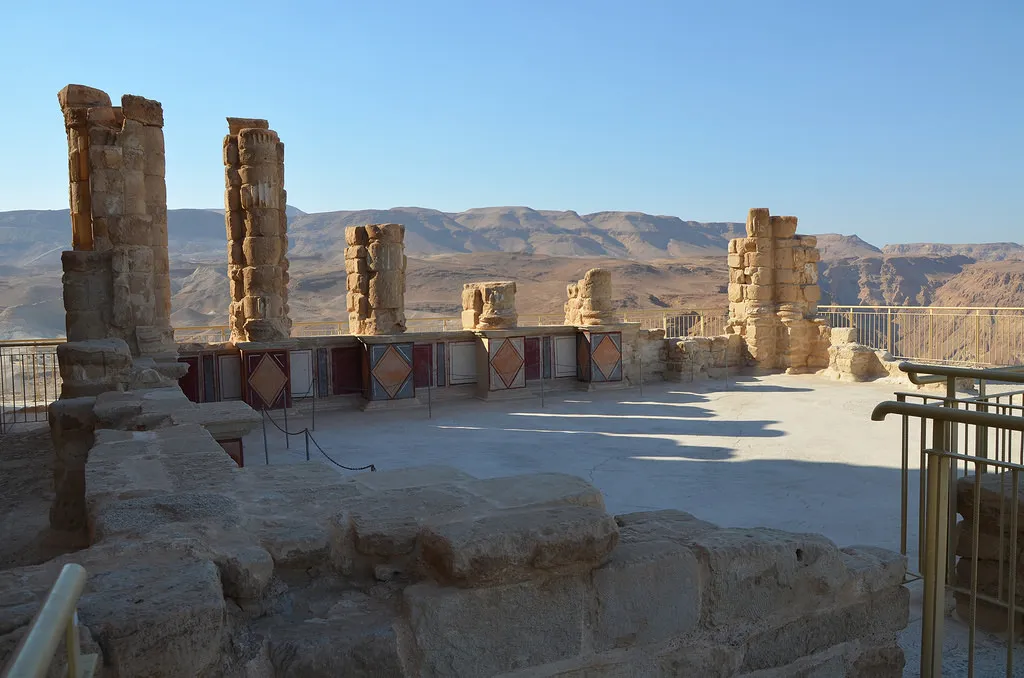
Northern Palace
A multi-tiered residential complex built into the northern cliff face, featuring private bathing areas and panoramic views.
Walk to the lowest terrace to see original fresco remnants.
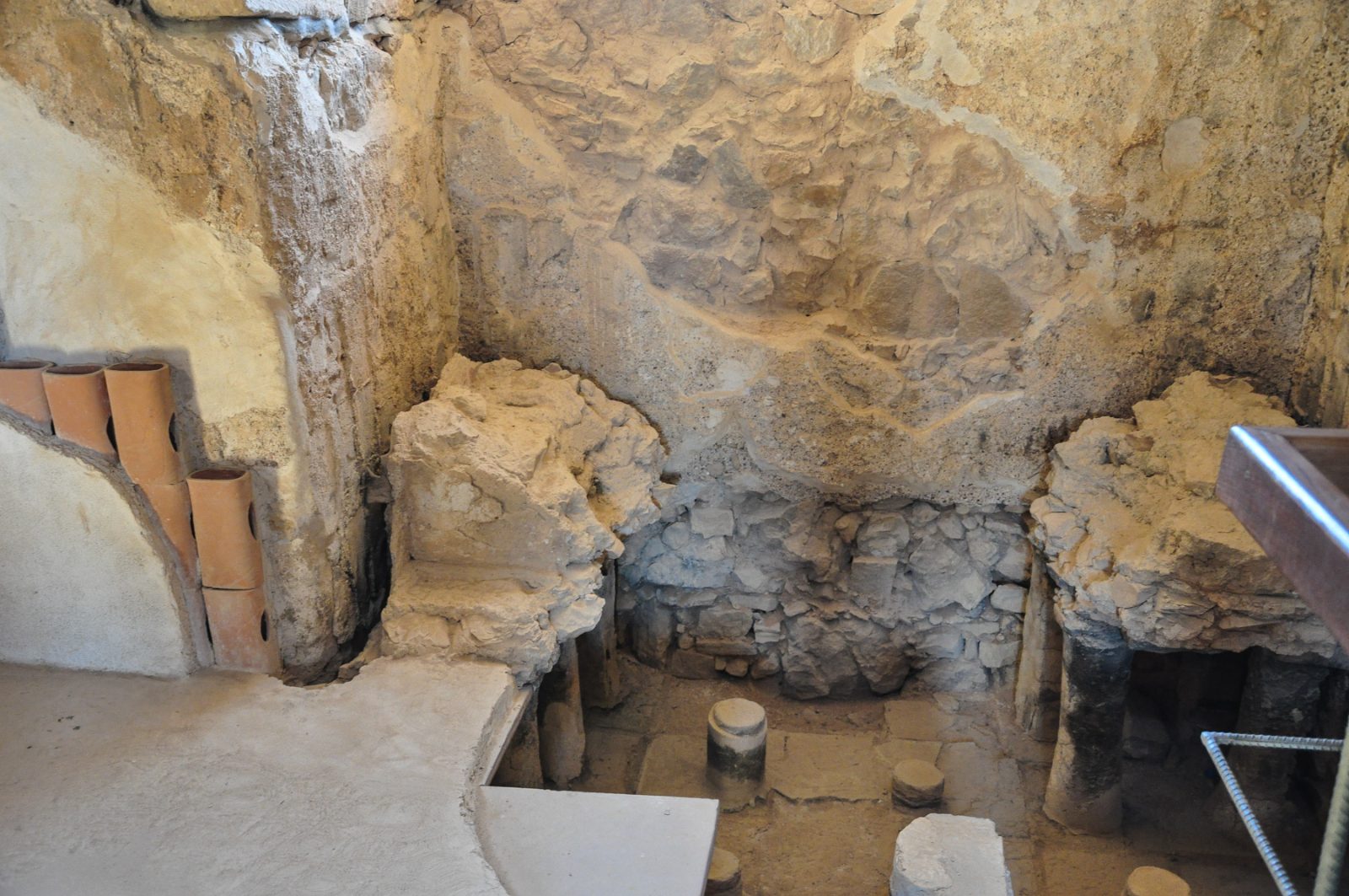
Roman Bathhouse
A well-preserved structure consisting of an apodyterium, frigidarium, and caldarium with hypocaust floor heating systems.
Examine the clay pillars supporting the raised caldarium floor.
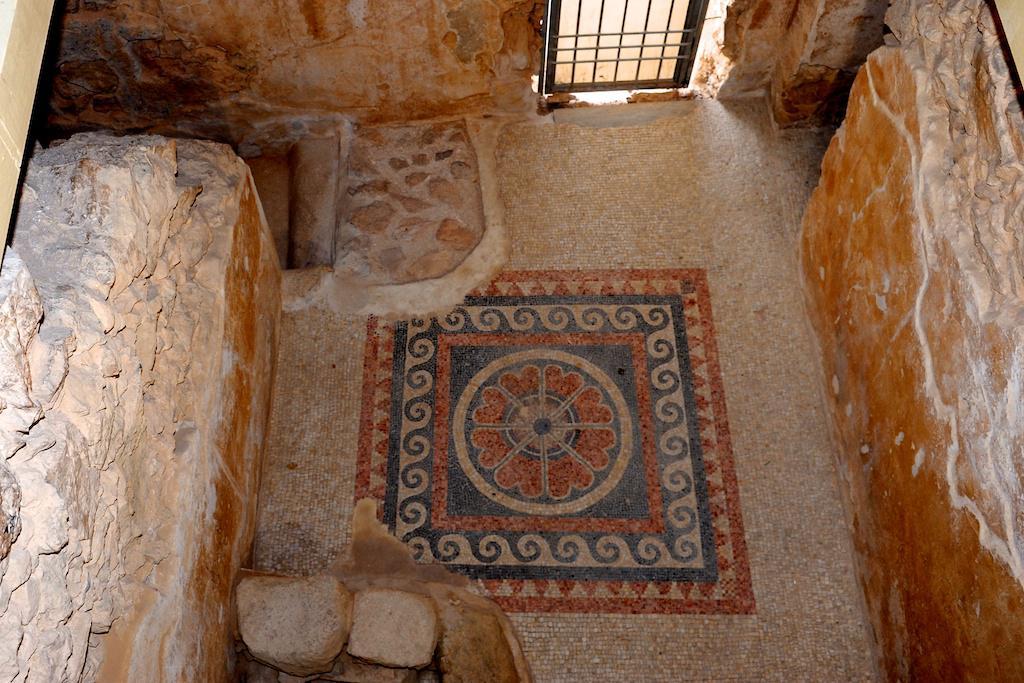
Western Palace
The largest building on the plateau, serving as the primary administrative and royal residential hub.
Follow the marked path to view the intact floor mosaics.
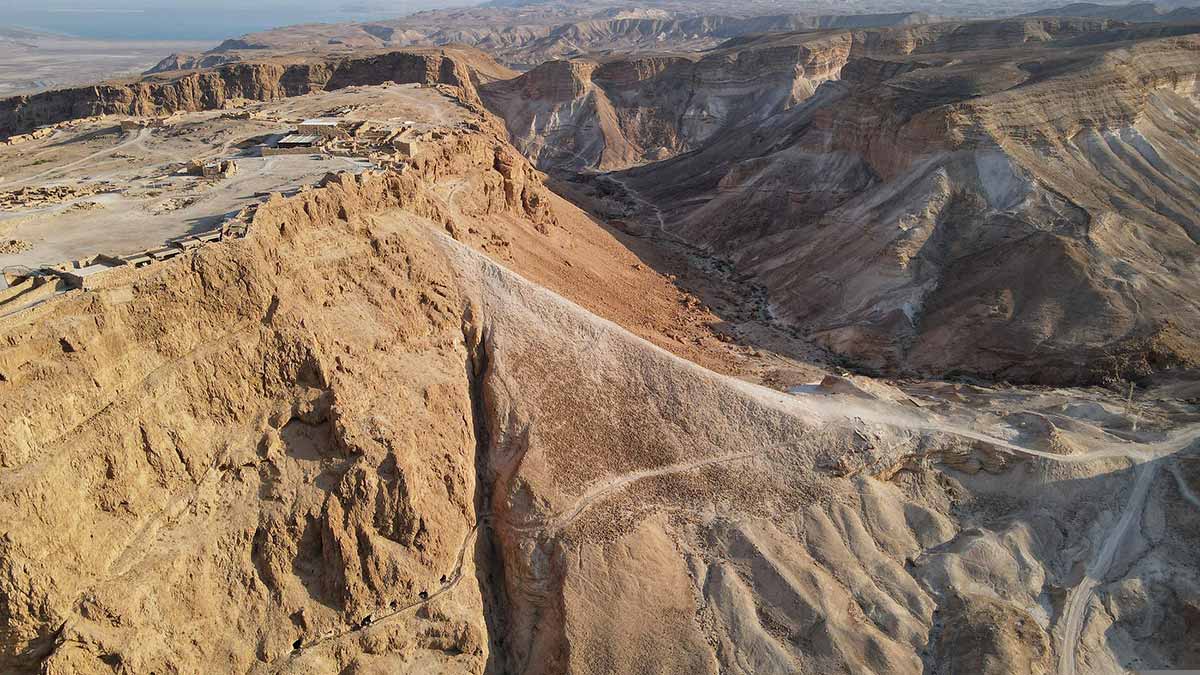
Siege Ramp
An enormous earthen structure constructed by Roman engineers to reach the summit for the final assault.
View the ramp from the western observation deck point.
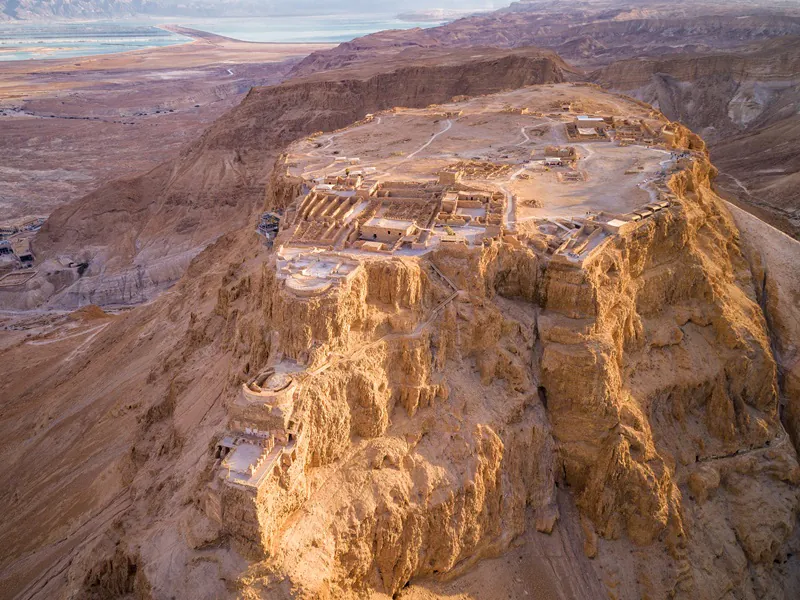
Storerooms
A series of long, parallel chambers used to store large quantities of food, weapons, and supplies.
Look for the original floor inscriptions designating storage types.
Optimal Timing: What Is Masada Famous For Regarding Crowds and Heat?
The best arrival window for Masada is 08:00–10:00, which allows visitors to explore the plateau before the onset of extreme midday desert heat and the arrival of large tour groups. Planning your visit for these early morning hours ensures a more manageable experience in the Judean Desert climate.
Summer (June–August)
High peak crowdsExtreme heat, often exceeding 35°C
High temperatures make midday hiking dangerous and difficult for most visitors.
Winter (December–February)
Moderate to highMild days, cool evenings 15°C–20°C
This season offers the most comfortable walking conditions but attracts many seasonal visitors.
Spring and Autumn
Very highPleasant, warm days 20°C–30°C
These shoulder seasons provide the best weather, though they coincide with peak tourism periods.
Weekday mornings
Low to moderate—
Arriving at 08:00 avoids the congestion of large groups that typically arrive after 10:00.
Verdict: The concrete best slot is arriving at the gates at 08:00 on a Tuesday, Wednesday, or Thursday during the months of April or October.
Visitor Schedule: What Is Masada Famous For Operating Hours?
Masada National Park operates daily throughout the week to accommodate visitors. The site maintains consistent opening hours for most days, with a slightly earlier closing time on Fridays.
| Monday | 08:00–17:00 | |
|---|---|---|
| Tuesday | 08:00–17:00 | |
| Wednesday | 08:00–17:00 | |
| Thursday | 08:00–17:00 | |
| Friday | 08:00–16:00 | |
| Saturday | 08:00–17:00 | |
| Sunday | 08:00–17:00 |
Check availability
Frequently Asked Questions About What Is Masada Famous For
Everything you need to know about what is masada famous for